Toc H South Australia: giving fellowship a home


Cooinda Retreats began with a gift intended to make service possible.
In 1938, Edward Bruce recognised the work Toc H volunteers were doing with children in need and donated land at Victor Harbor for a permanent campsite. His generosity gave an existing commitment to service a place to grow.
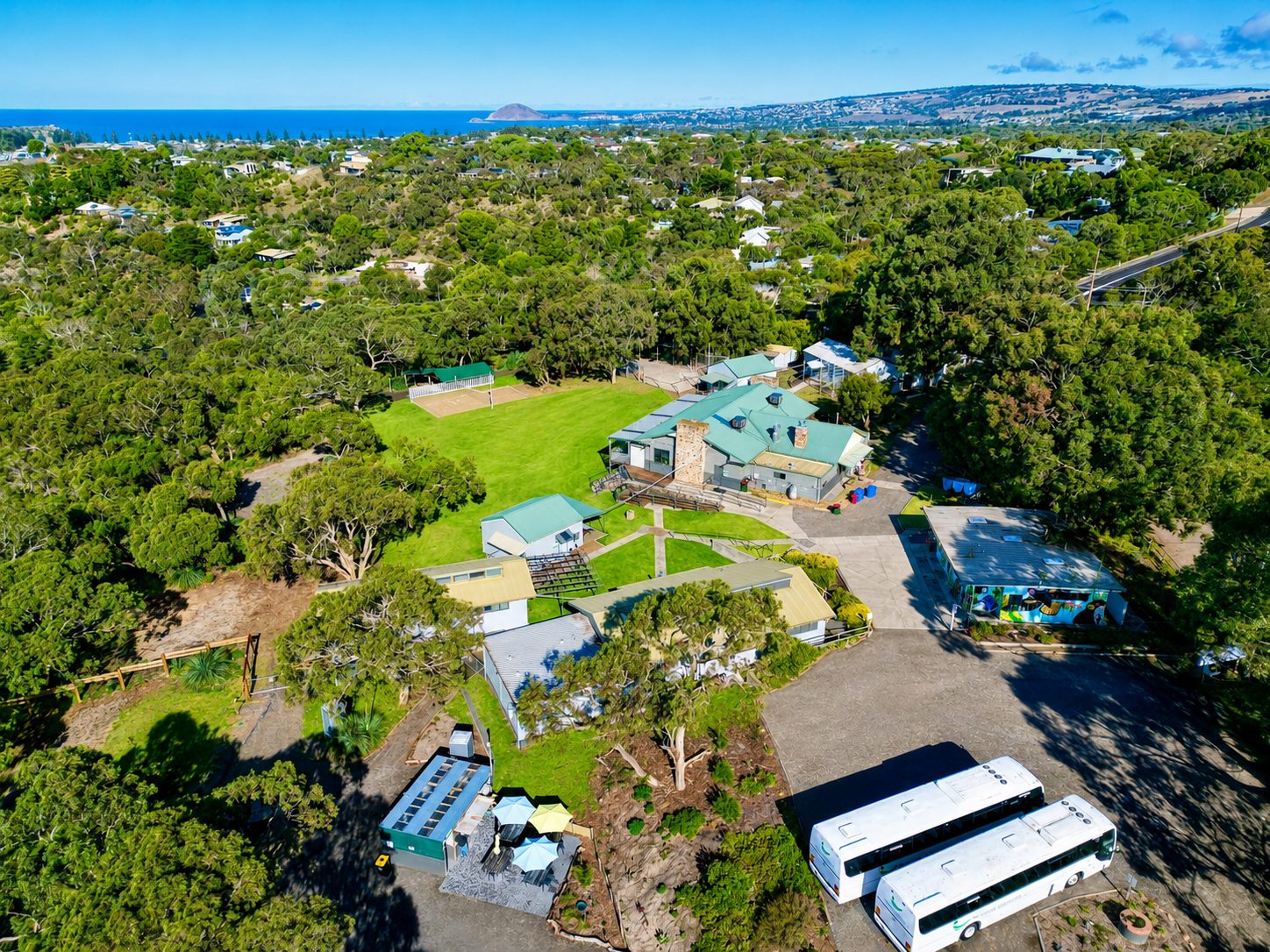
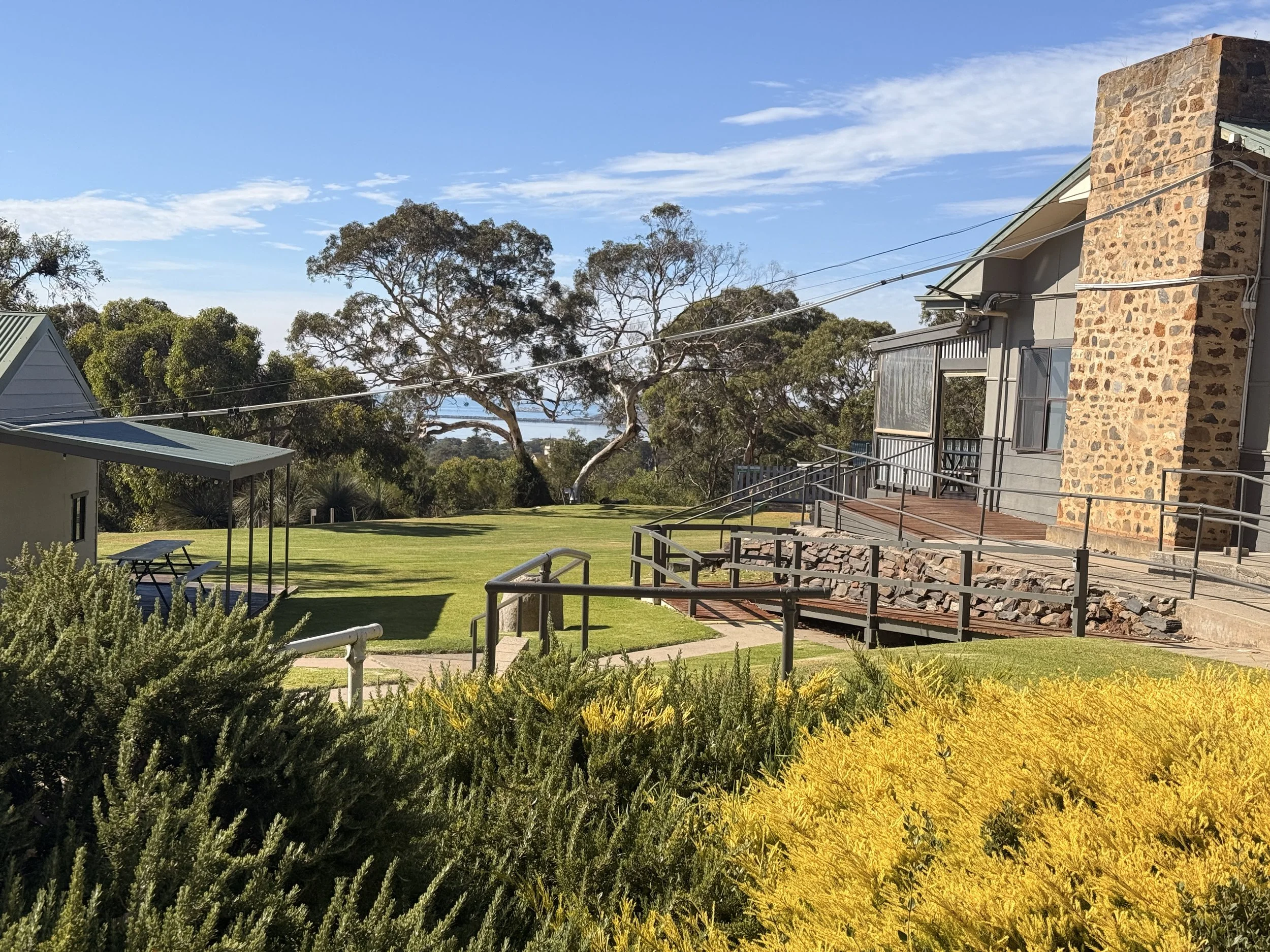
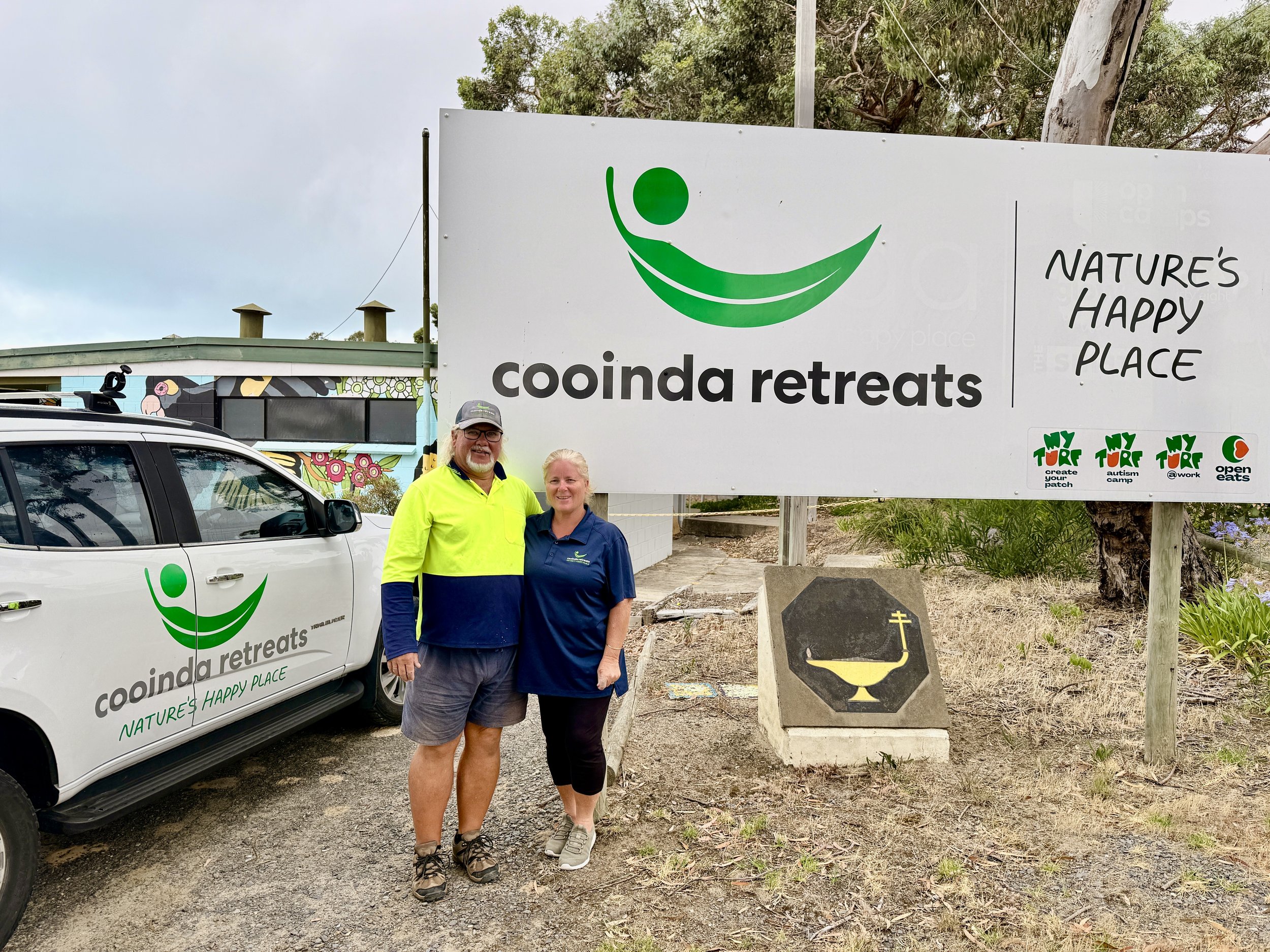
Today, Cooinda Retreats is Toc H South Australia’s coastal retreat and growing community hub. Schools, community groups, families and individuals come here for many reasons. Our purpose is to keep this place welcoming, useful and available so those experiences can happen.
That is why keeping Cooinda alive is both a responsibility and a purpose. The gift created an opportunity. Generations of people have since contributed the work needed to turn that opportunity into something valuable for others.
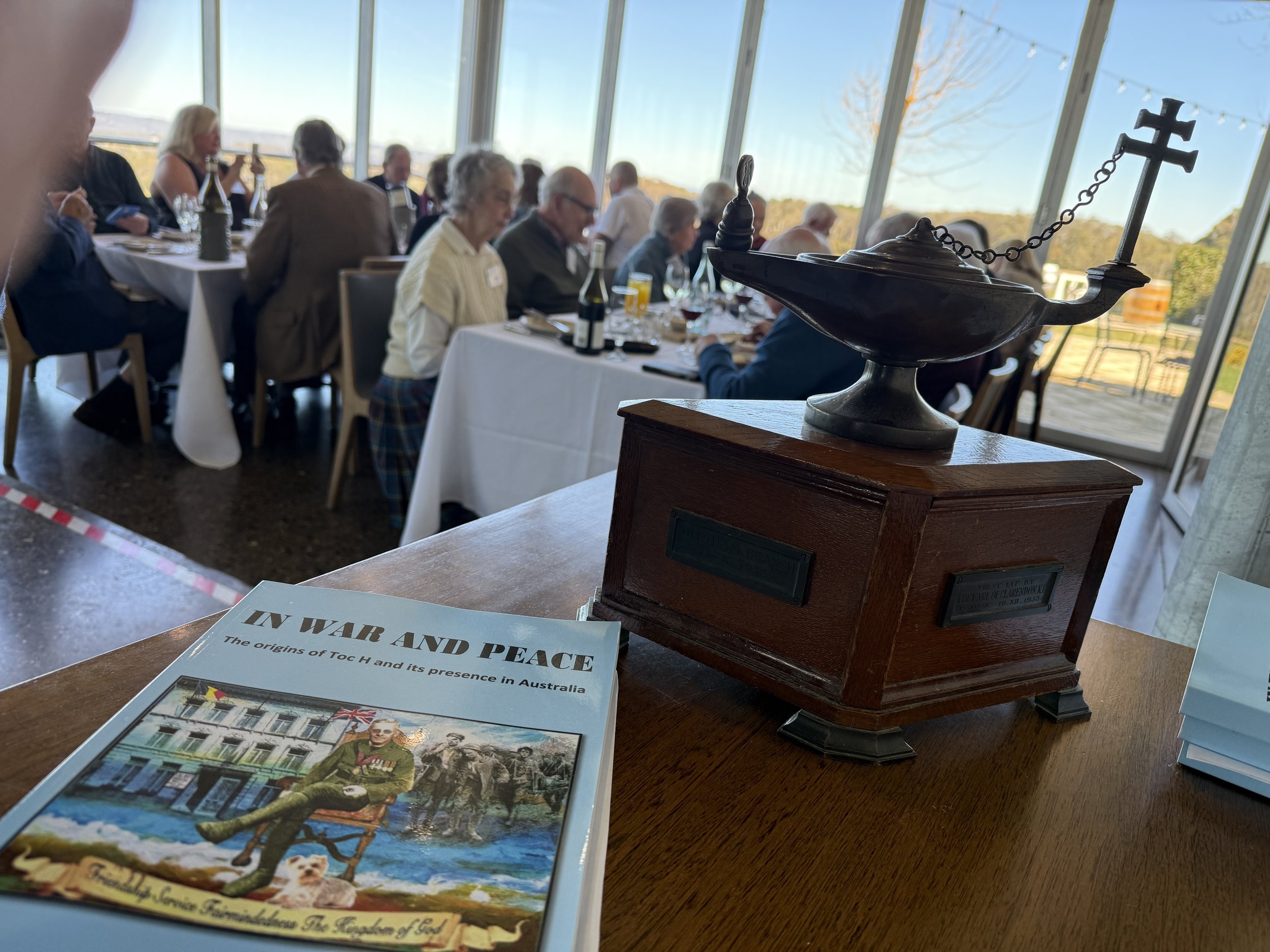
We find a clear connection to Talbot House, where the movement began. Soldiers found companionship and respite in a welcoming house where rank gave way to human connection. The place, and the people who sustained its welcome, made fellowship possible.
Here in South Australia, that understanding continues to guide us. Our history gives us a foundation from which to respond to the people and possibilities around us today.
Some of our members have been connected to Toc H for as many as 60 years. Their experience has helped shape an association that expresses its values through the continuing work of bringing people together. Alongside them, others contribute new skills, ideas and perspectives. What connects that effort is the purpose it serves.
Much of what is written about Toc H comes from a relatively small number of voices. Those perspectives matter, and we value the experience behind them. They contribute to an understanding that continues to grow through the work of others and the changing needs of communities.
Fellowship and fairmindedness invite that breadth. They ask us to remain interested in what people are making possible, including when their approach differs from the one most familiar to us.
A recent reflection in Toc H’s national journal described two young people offering assistance outside Woolworths. Those were thoughtful gestures, expressing the personal values of the people offering help. We can celebrate their kindness without needing to attach an organisational identity to it.
Many of us experience that warmth through a greeting on a morning walk or a hand offered when someone needs it. Those moments matter. Through an association, we also have the opportunity to sustain something together that reaches beyond an individual encounter.
At Toc H South Australia, we quietly pursue that opportunity through Cooinda Retreats.
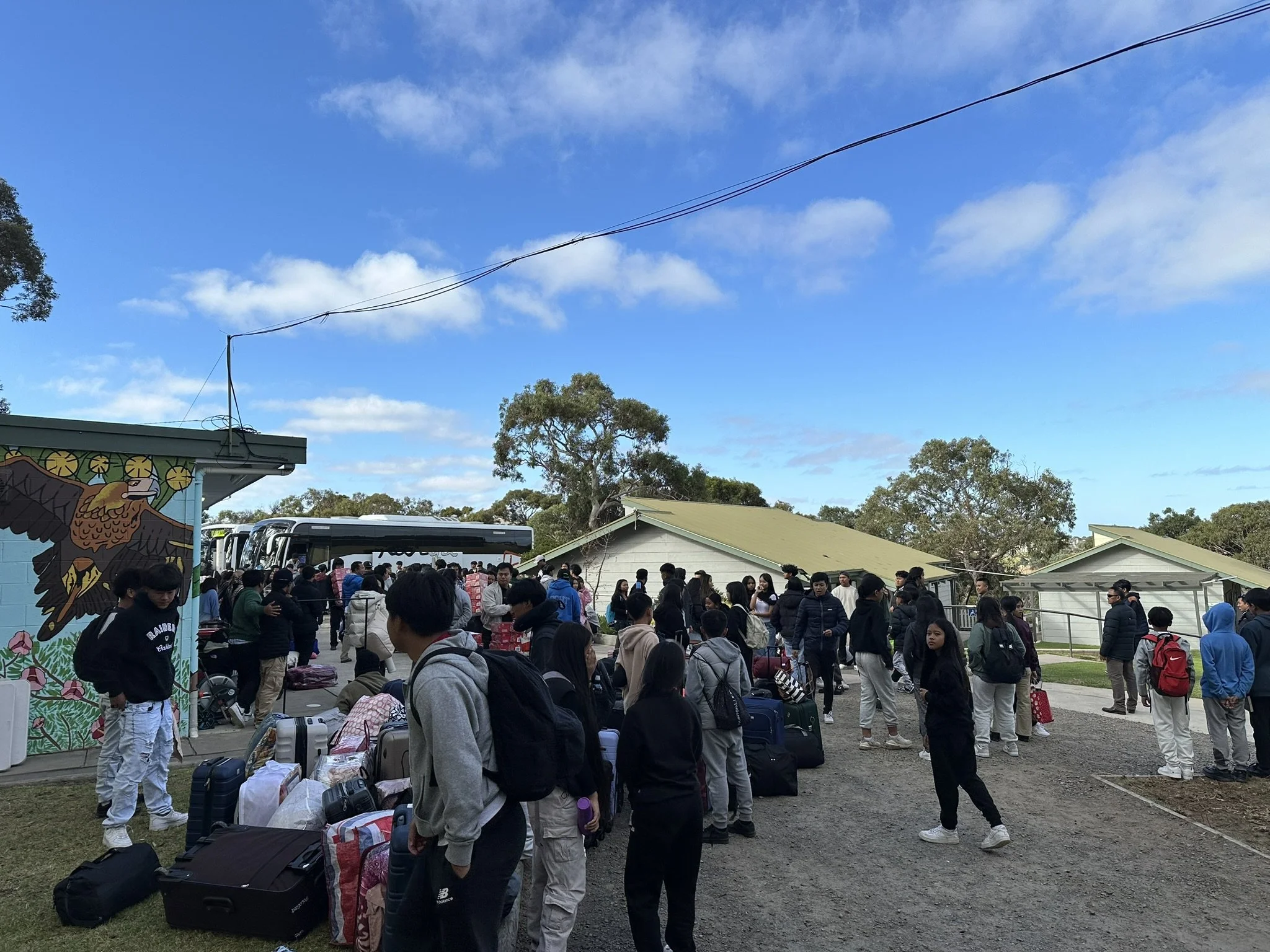
This year, thousands of people have come through its doors. They arrive with their own purposes, relationships and communities. We provide the place and support that allow them to spend meaningful time together.
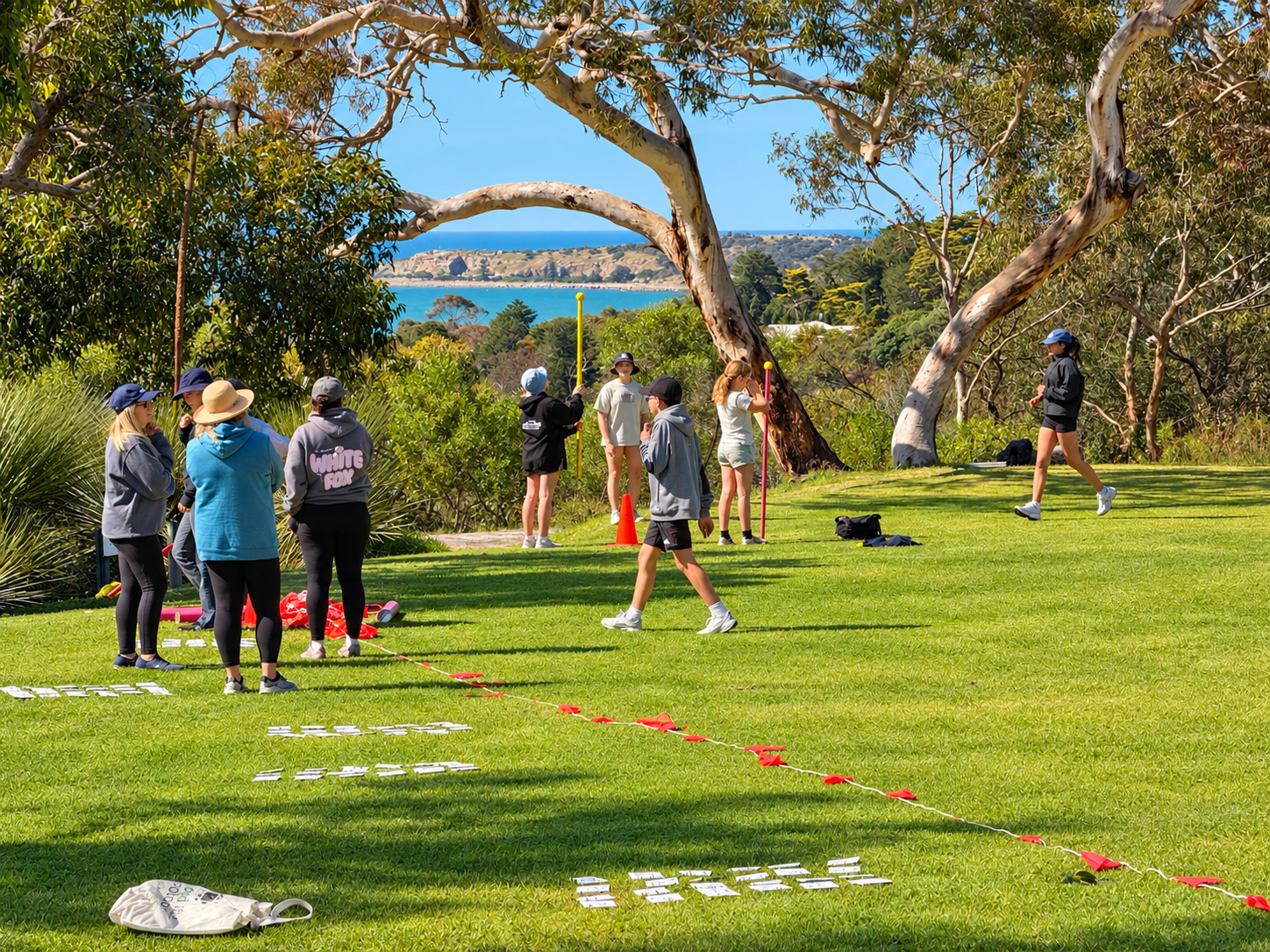
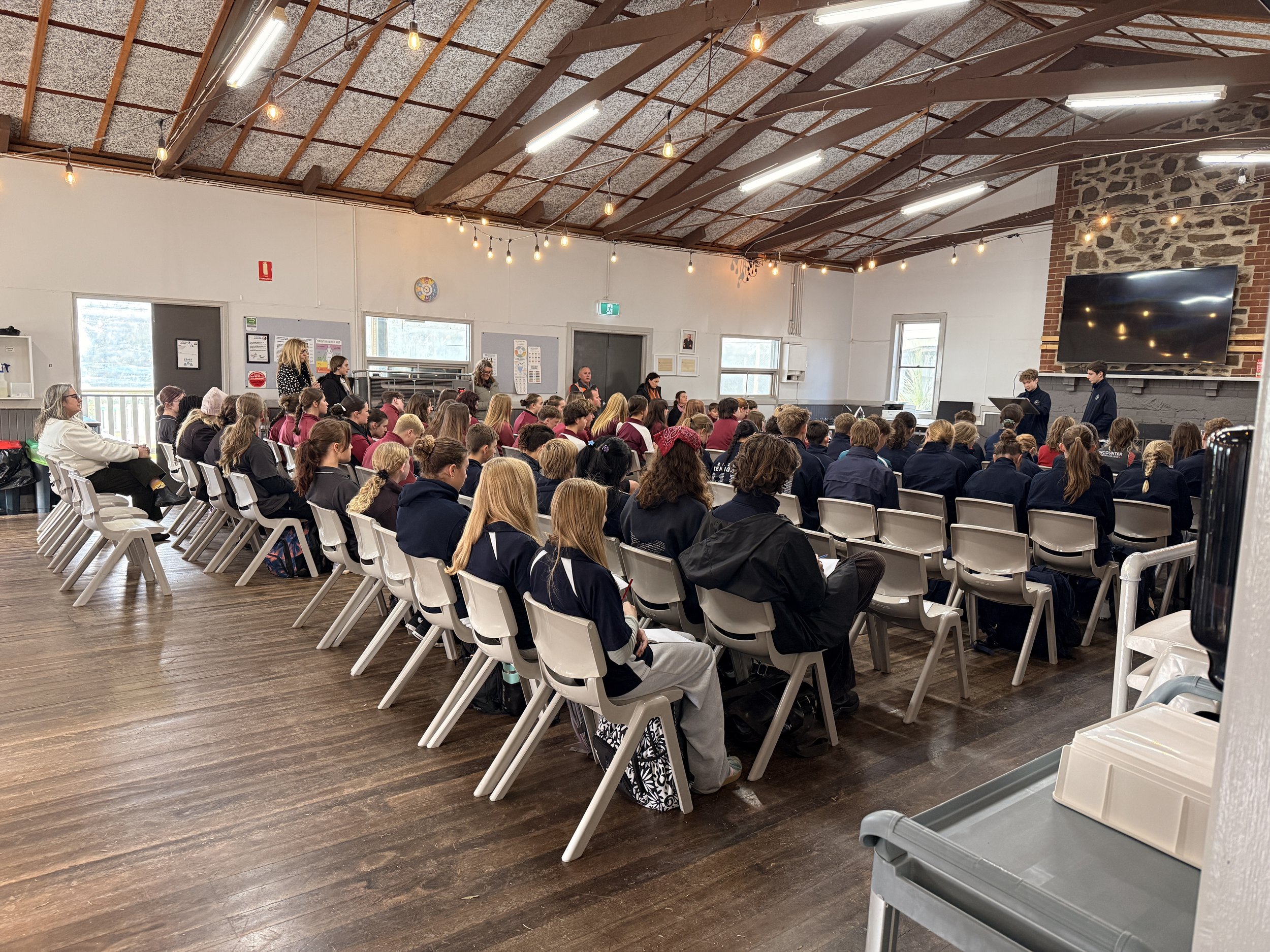
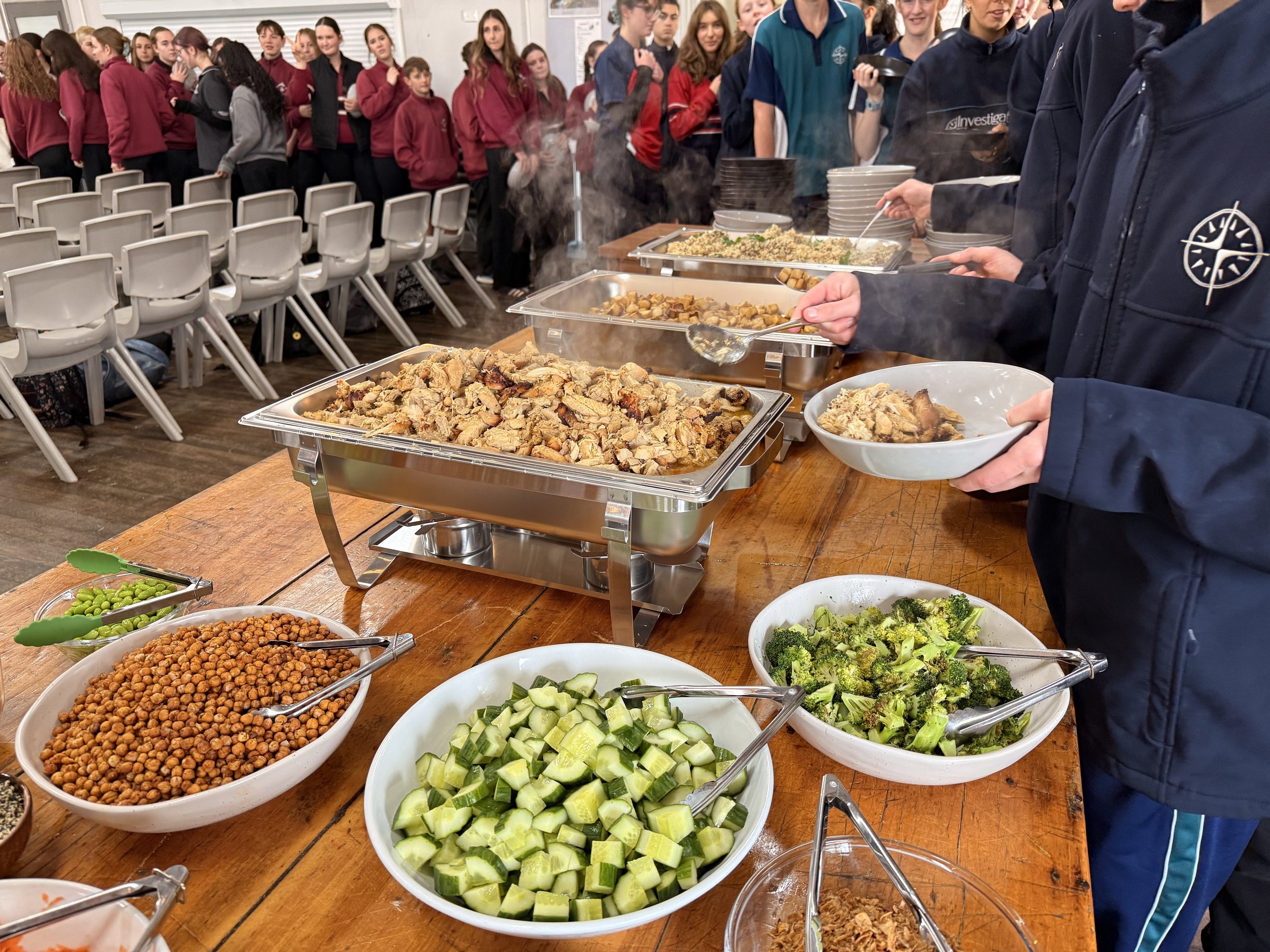
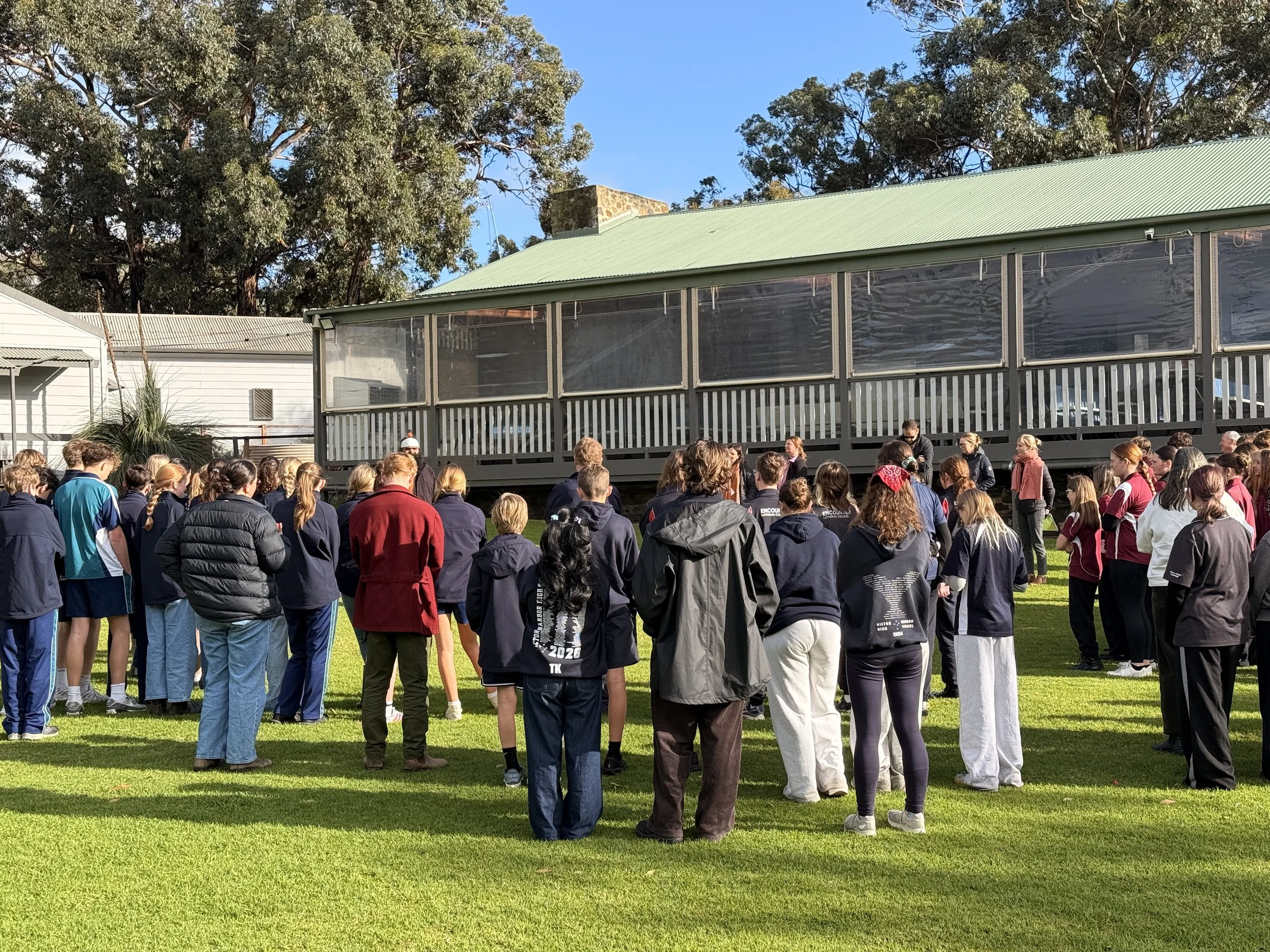
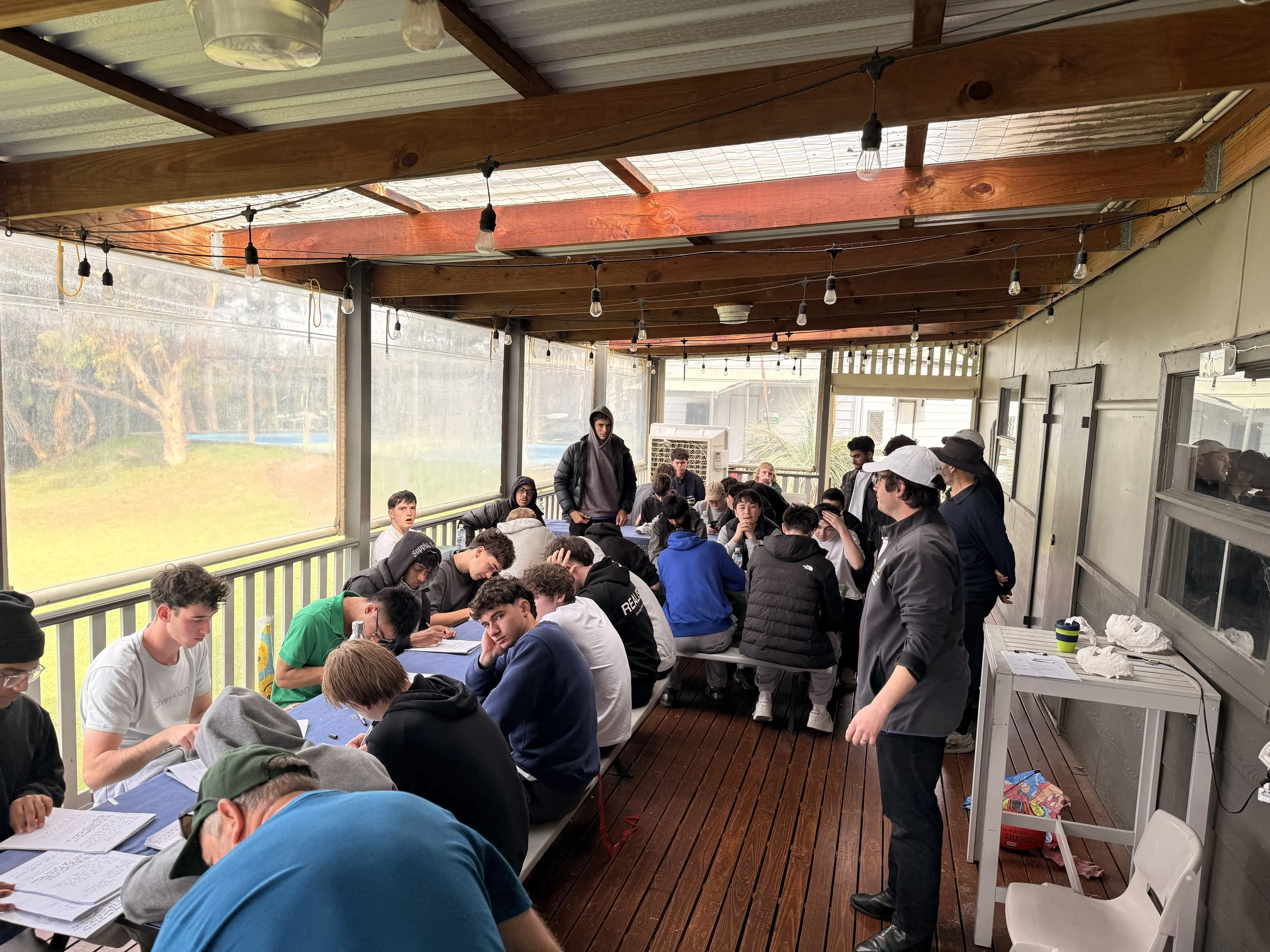
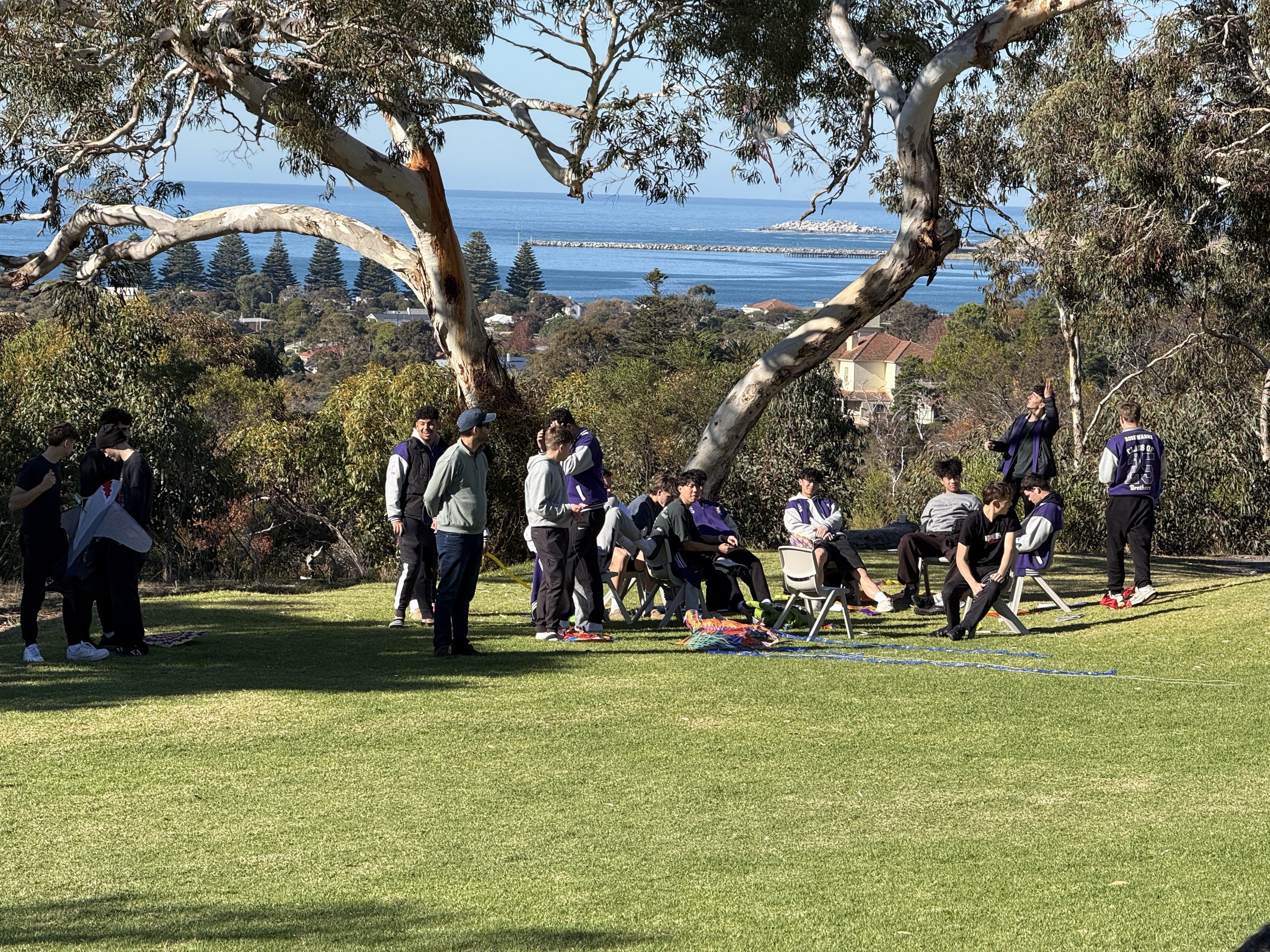
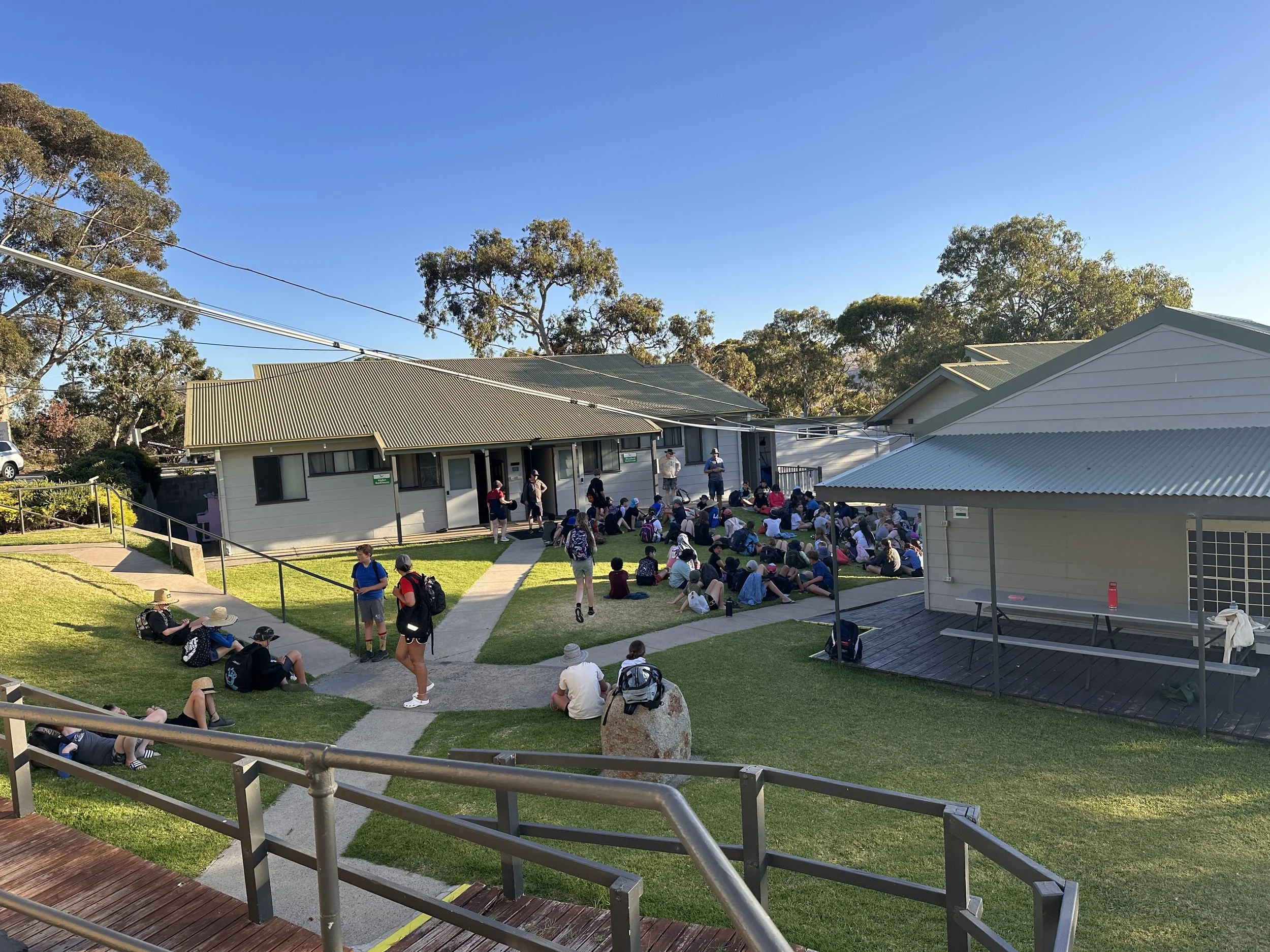
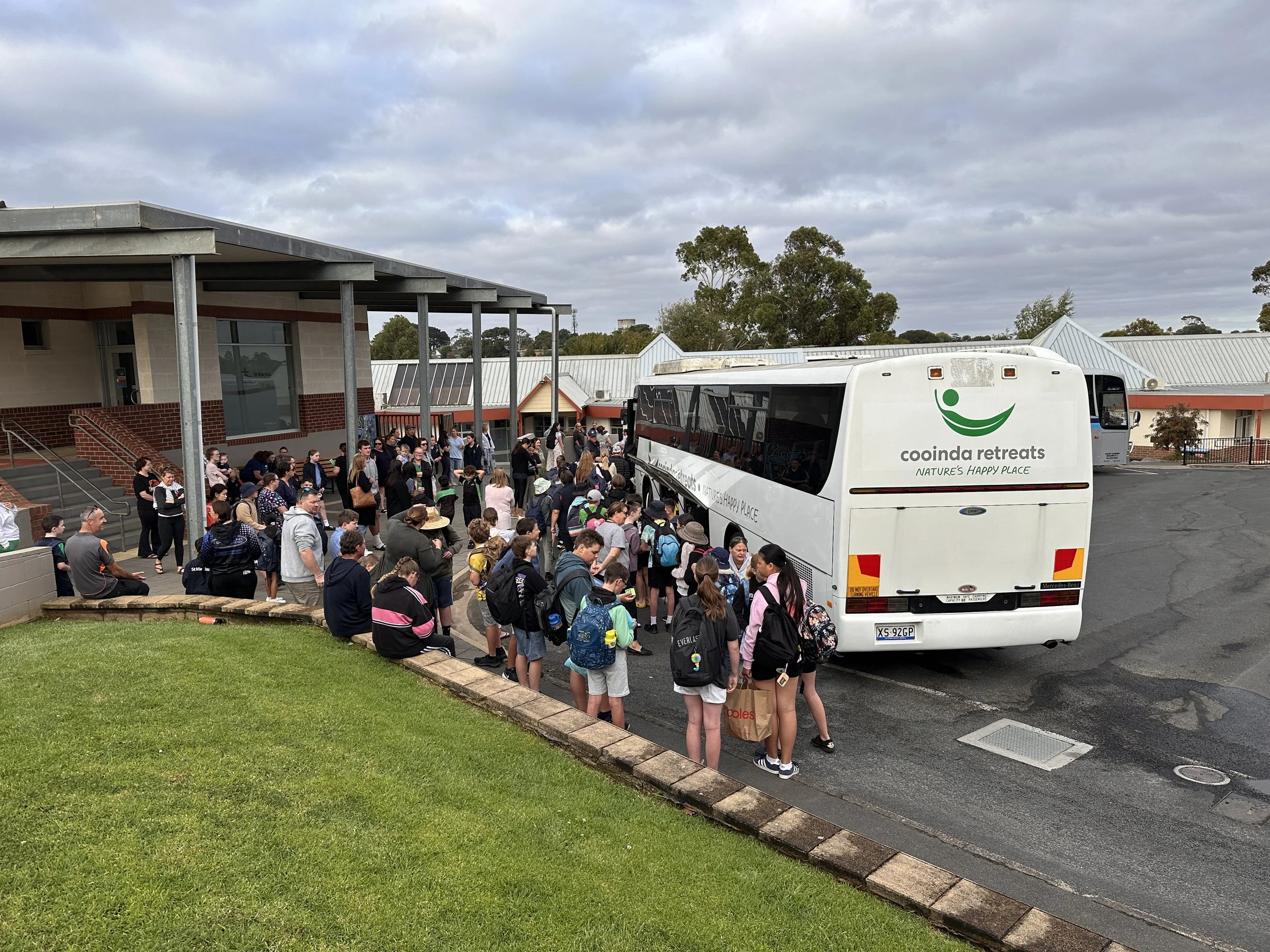
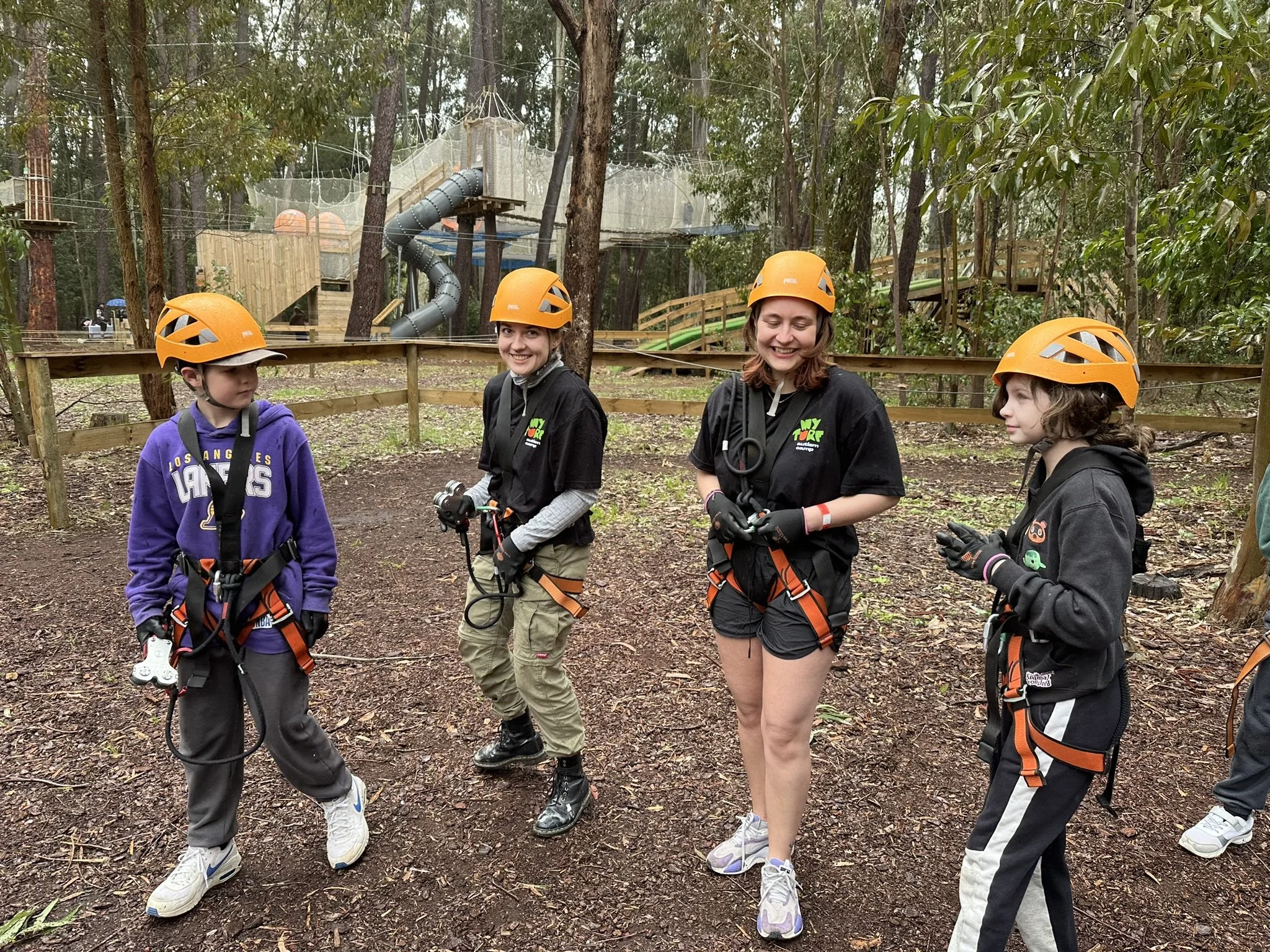
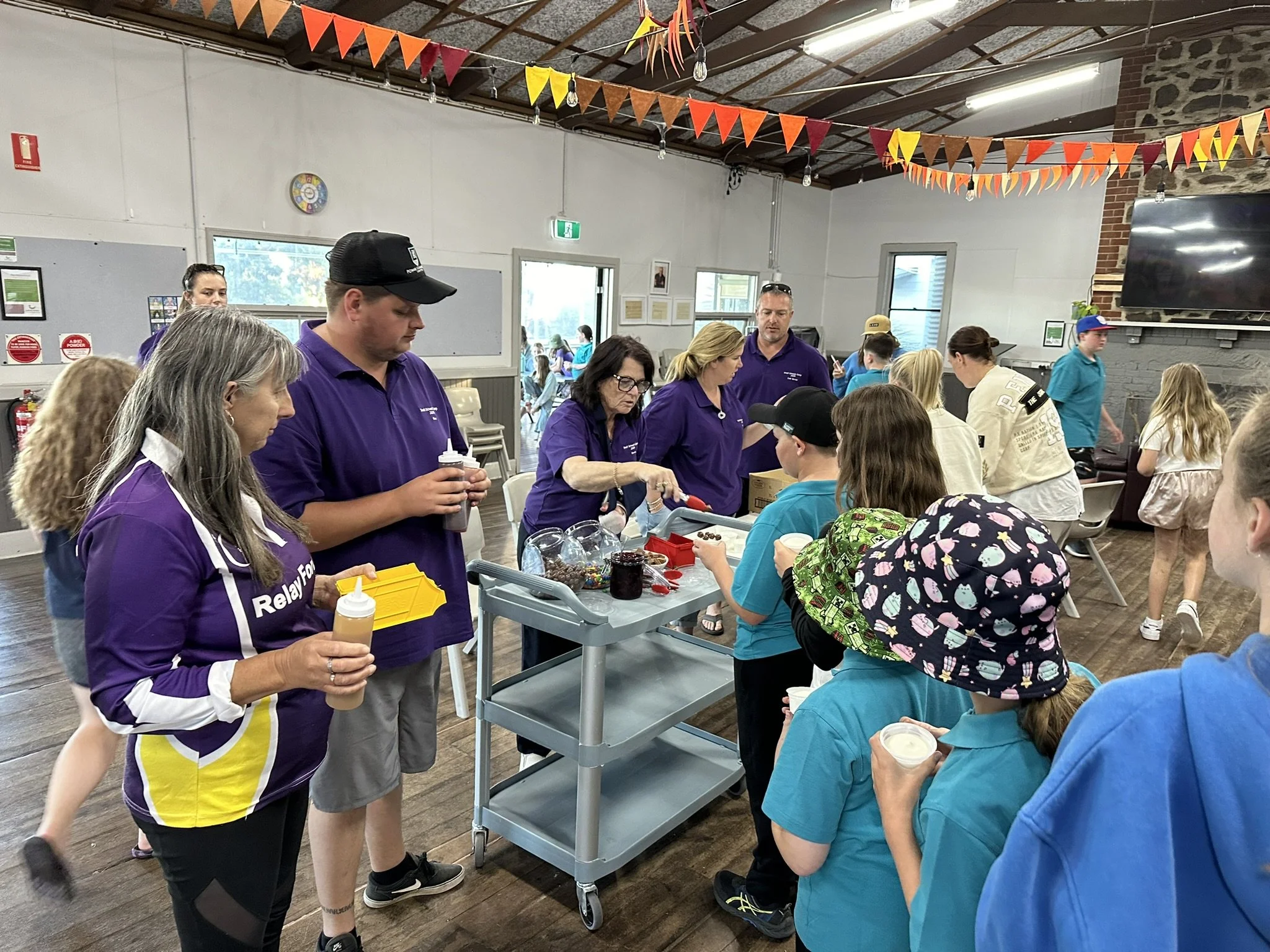
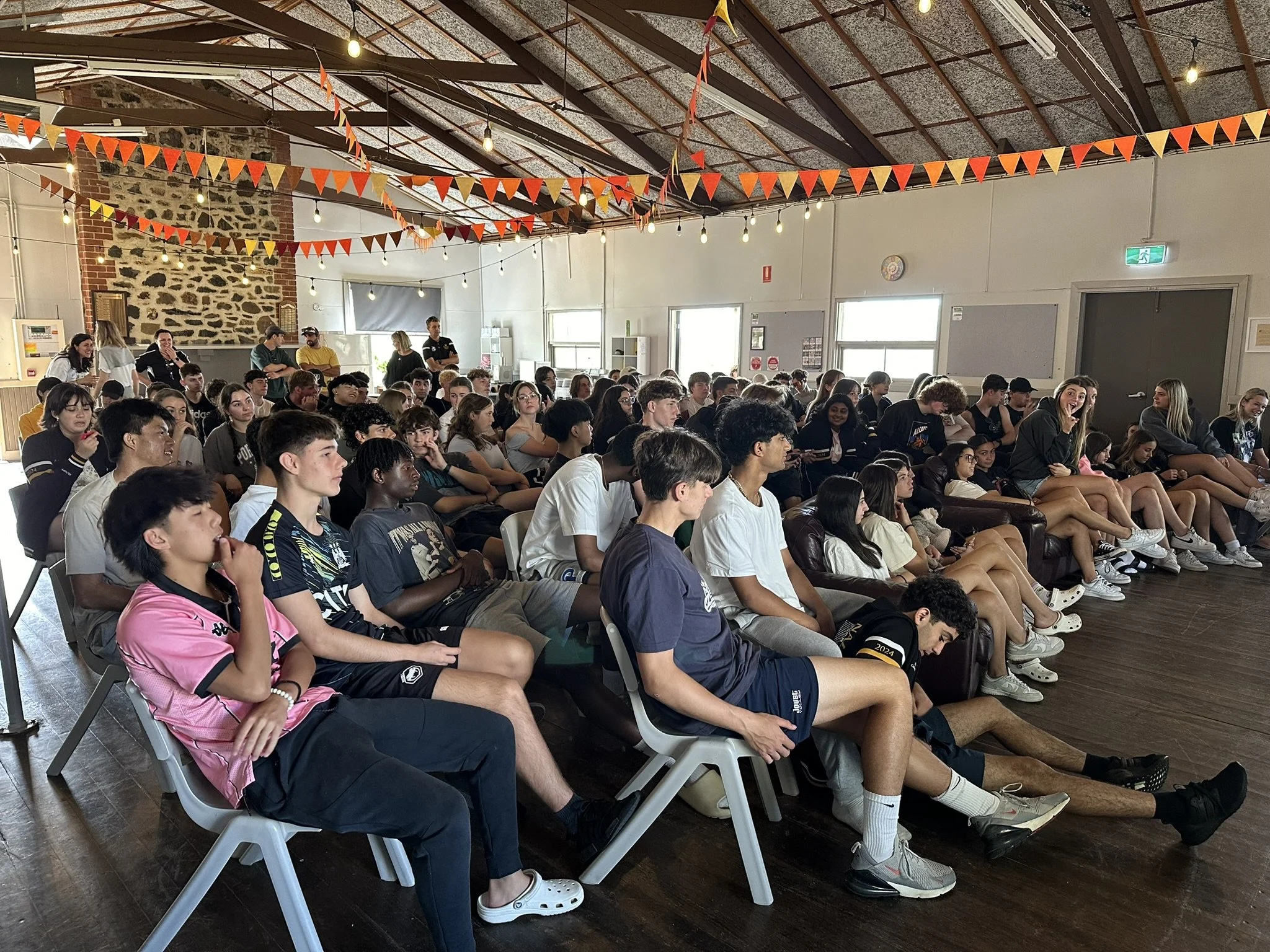
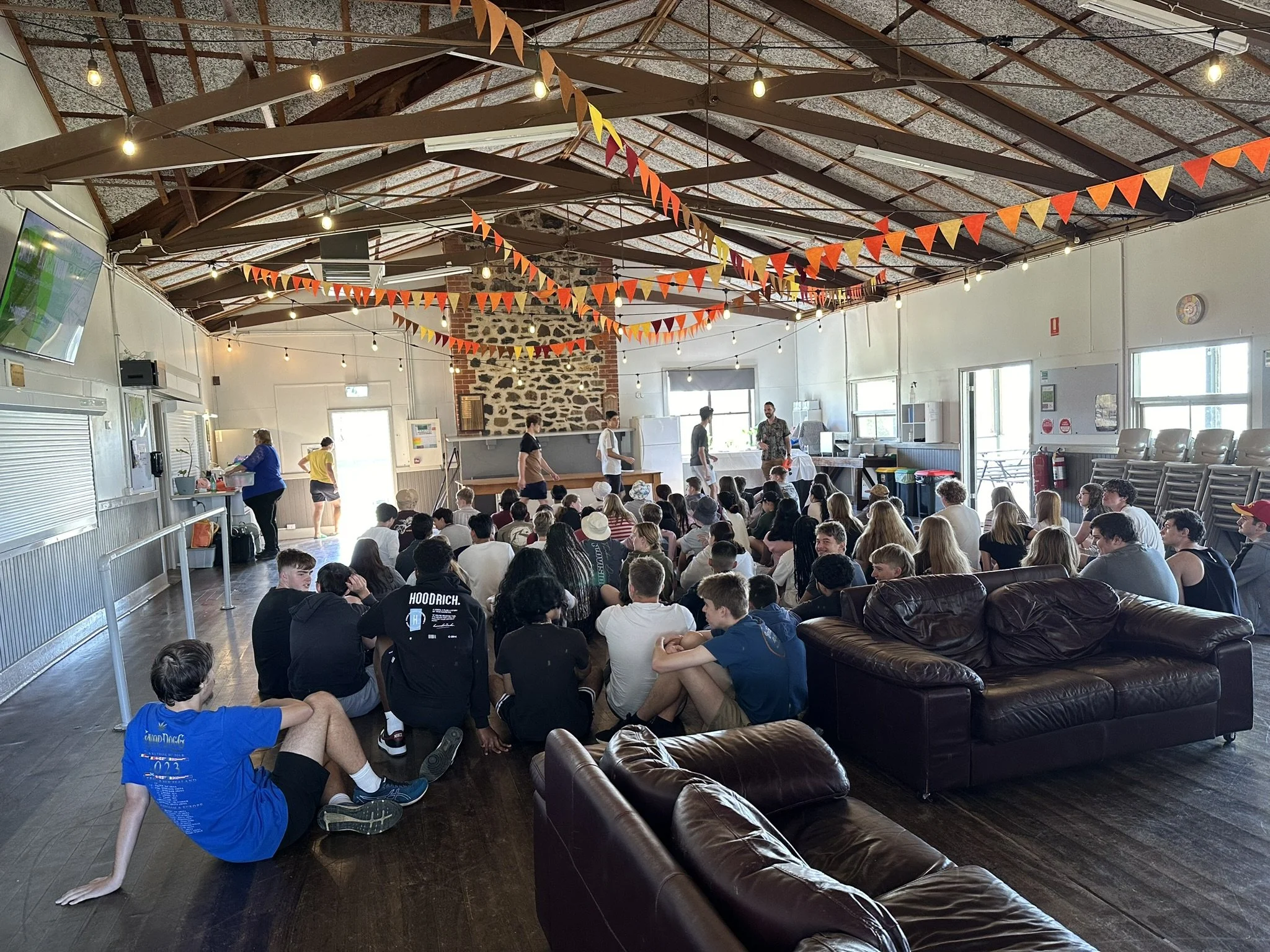
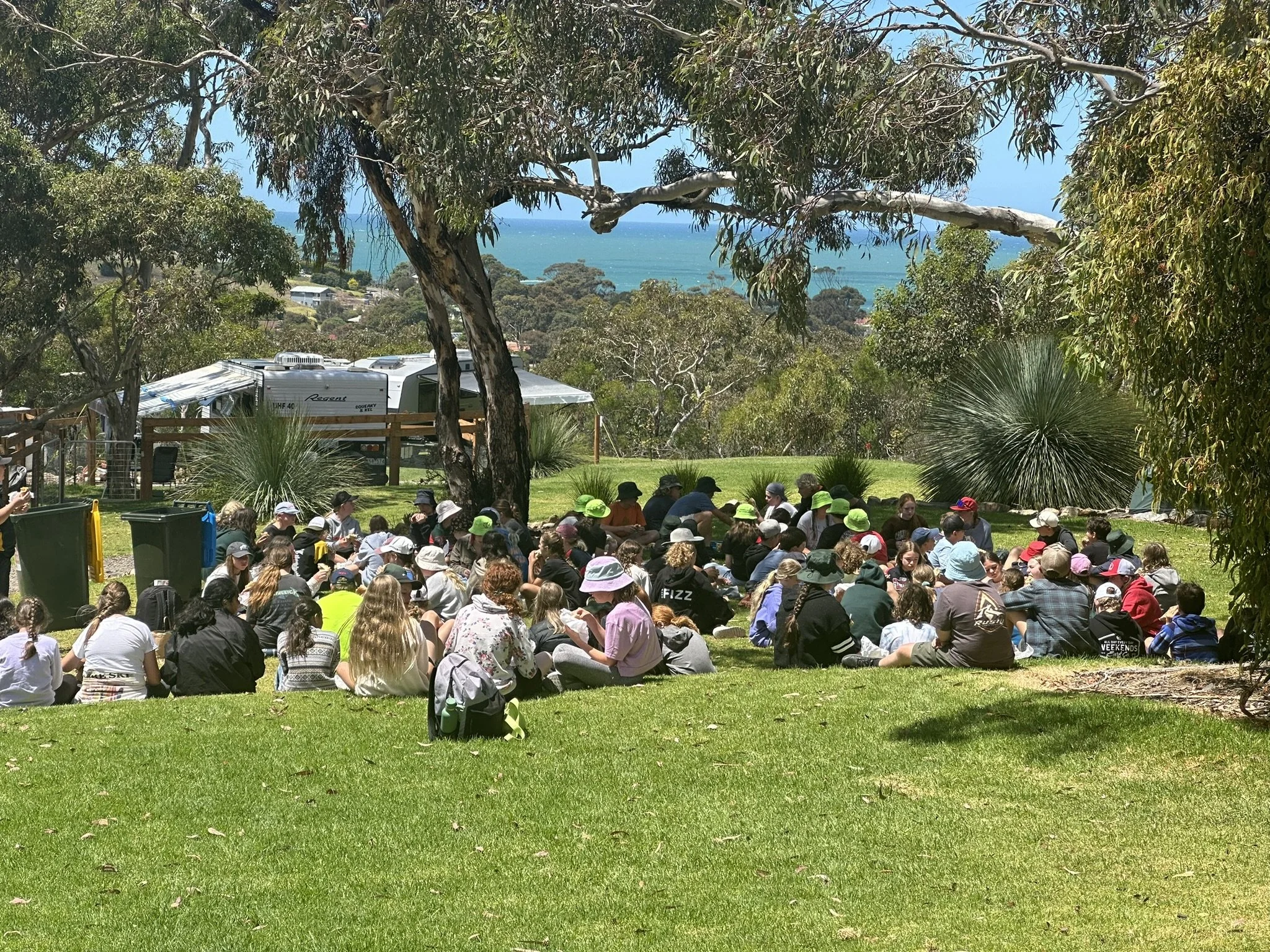
For school groups, that means experiences beyond the classroom. Students share meals, meet unfamiliar challenges and get to know one another differently. Teachers have opportunities to connect with young people outside lessons and timetables.
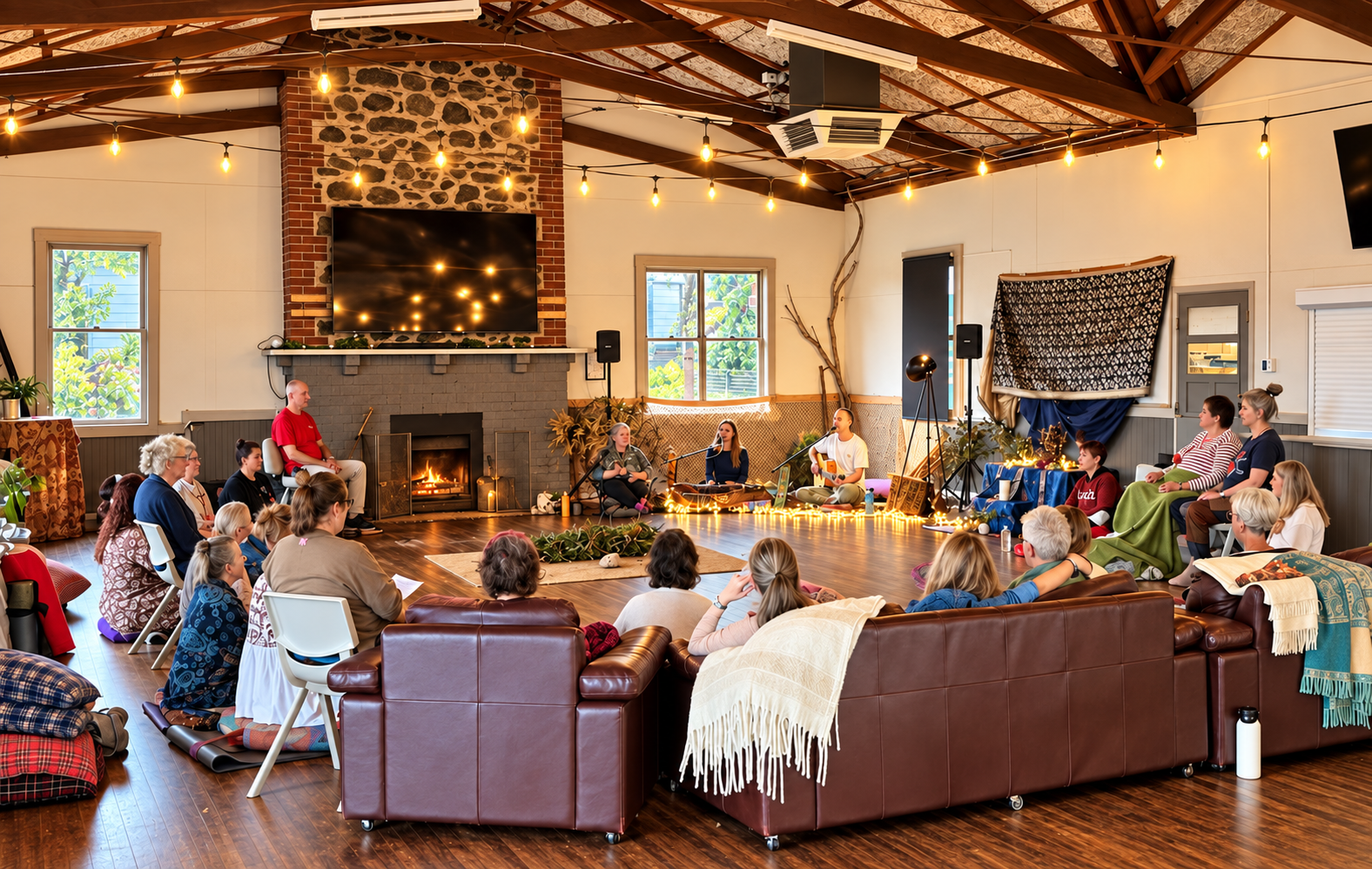
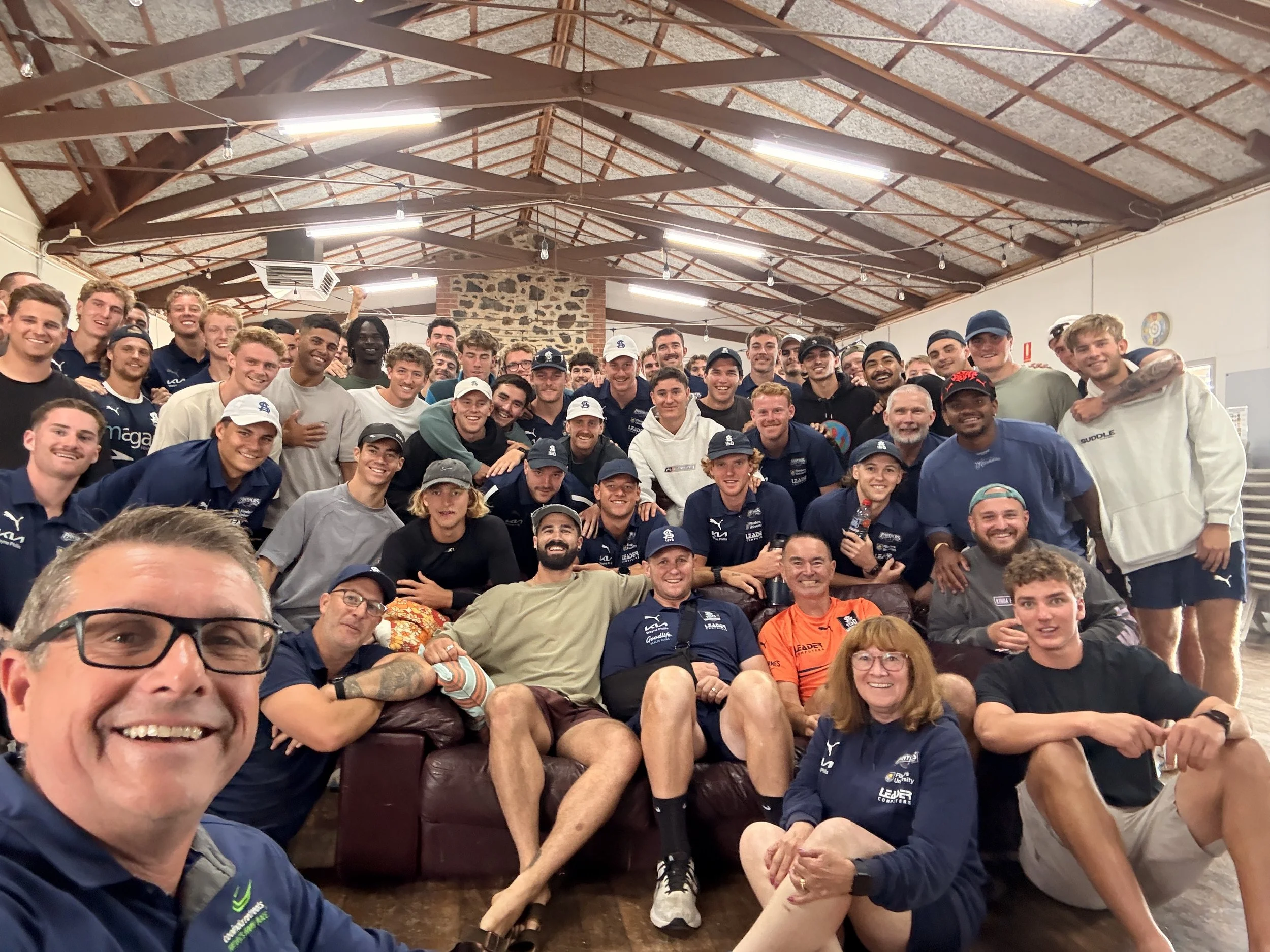
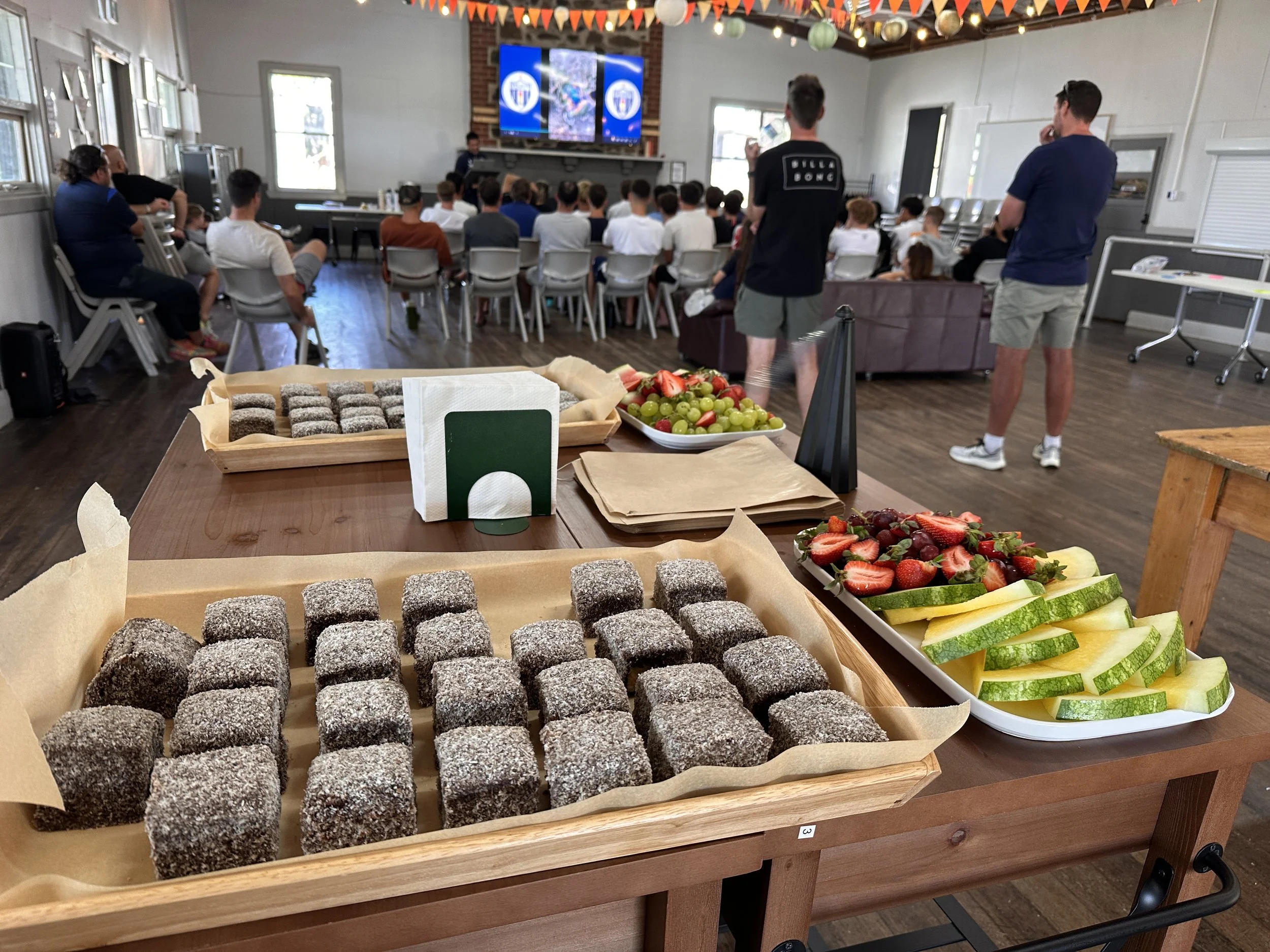
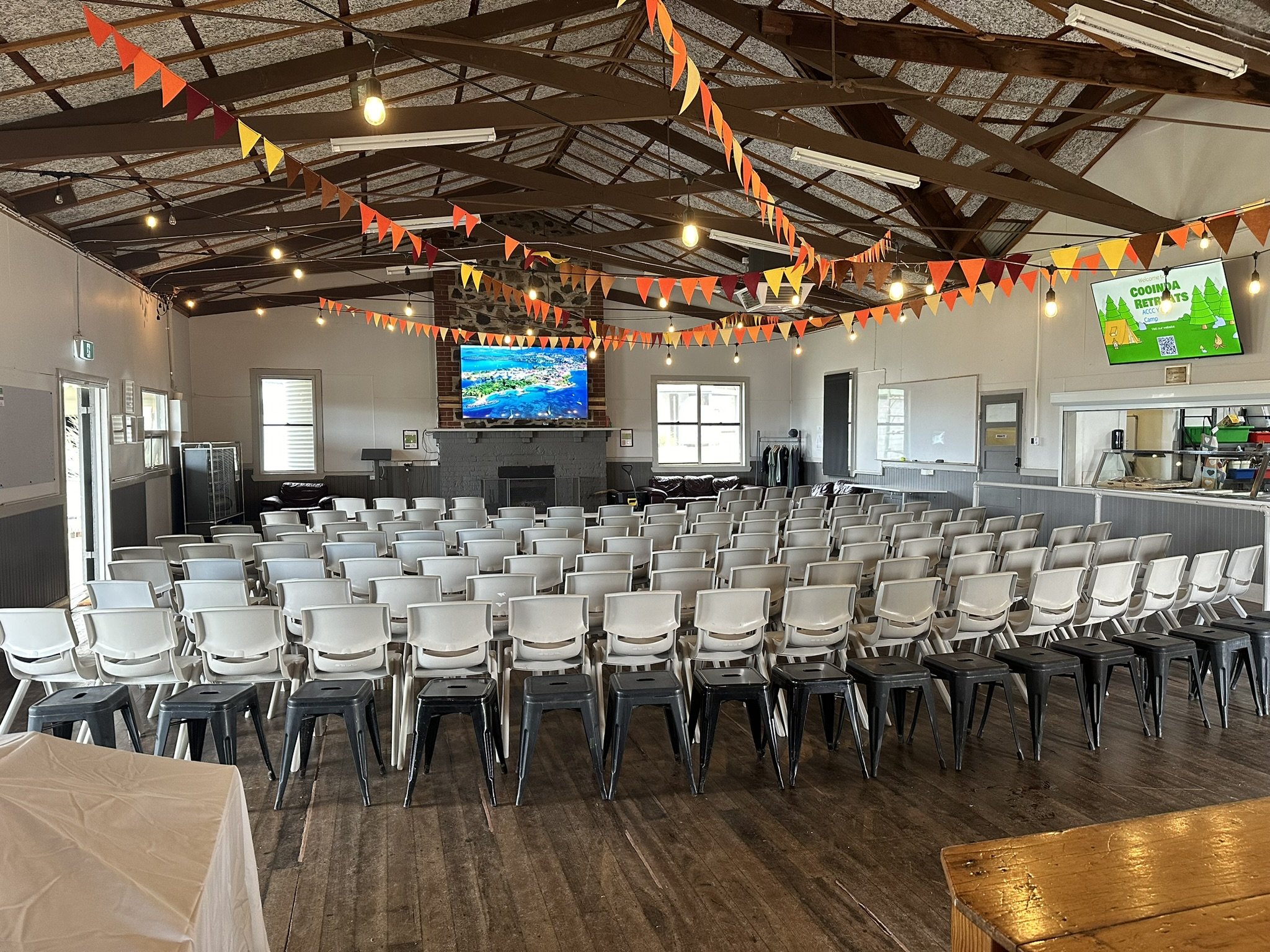
Church communities arrive weekend after weekend, often bringing 40, 50, 60 or 100 people together for worship, reflection and fellowship. Sporting groups strengthen the relationships behind their teams. Spiritual and wellbeing gatherings, including Sacred Earth, bring people together through their own traditions and shared interests.
These experiences belong to the people taking part. We respect their beliefs, their reasons for gathering and the meaning they find here. Our contribution is to make a welcoming place available and care for the practical arrangements behind their stay.
That is part of the beauty of the way Toc H has developed in South Australia. People can benefit from the work without needing to join the organisation, adopt its language or understand its history. They can simply experience the hospitality and use the opportunity in a way that matters to them.
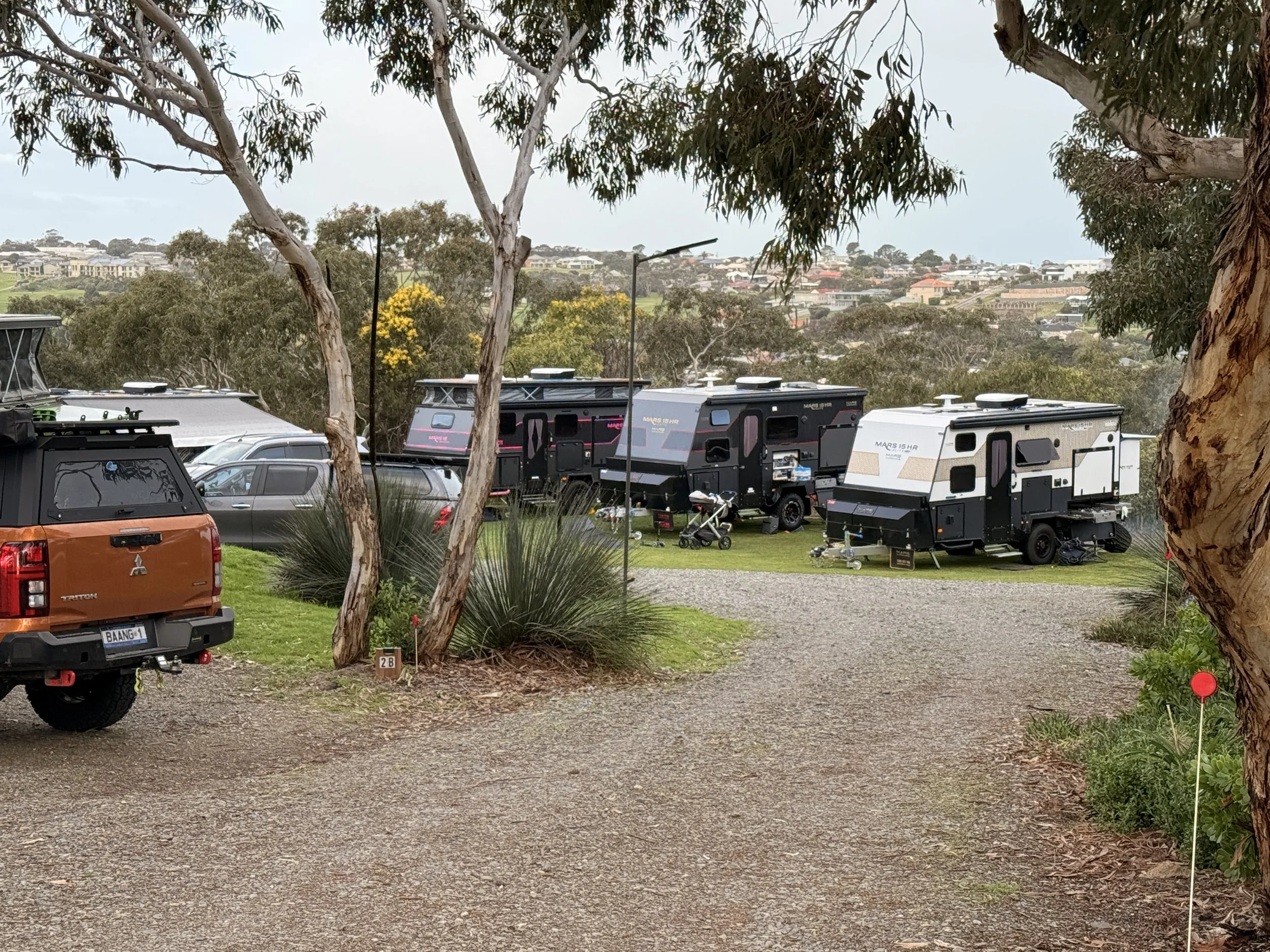
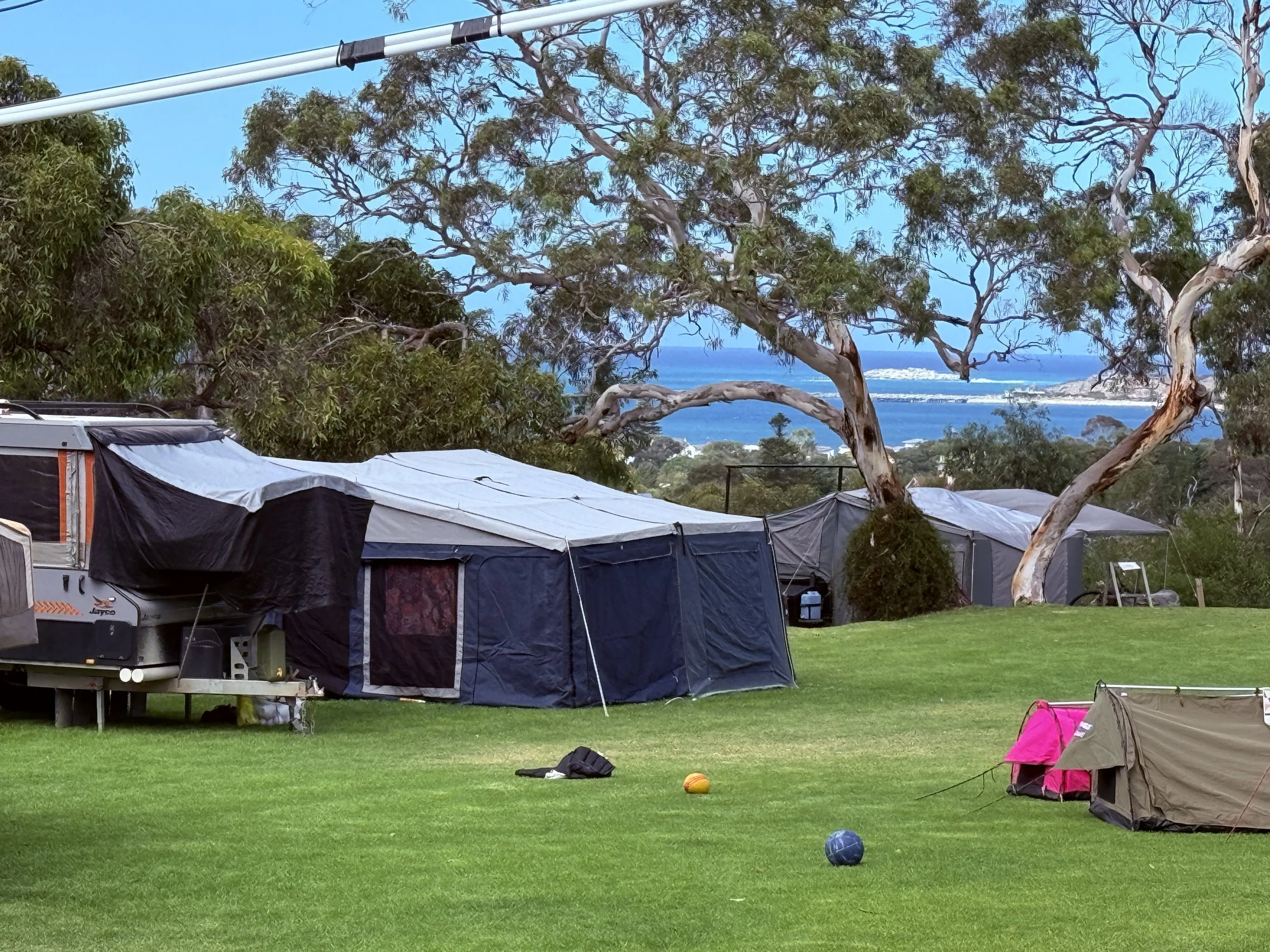
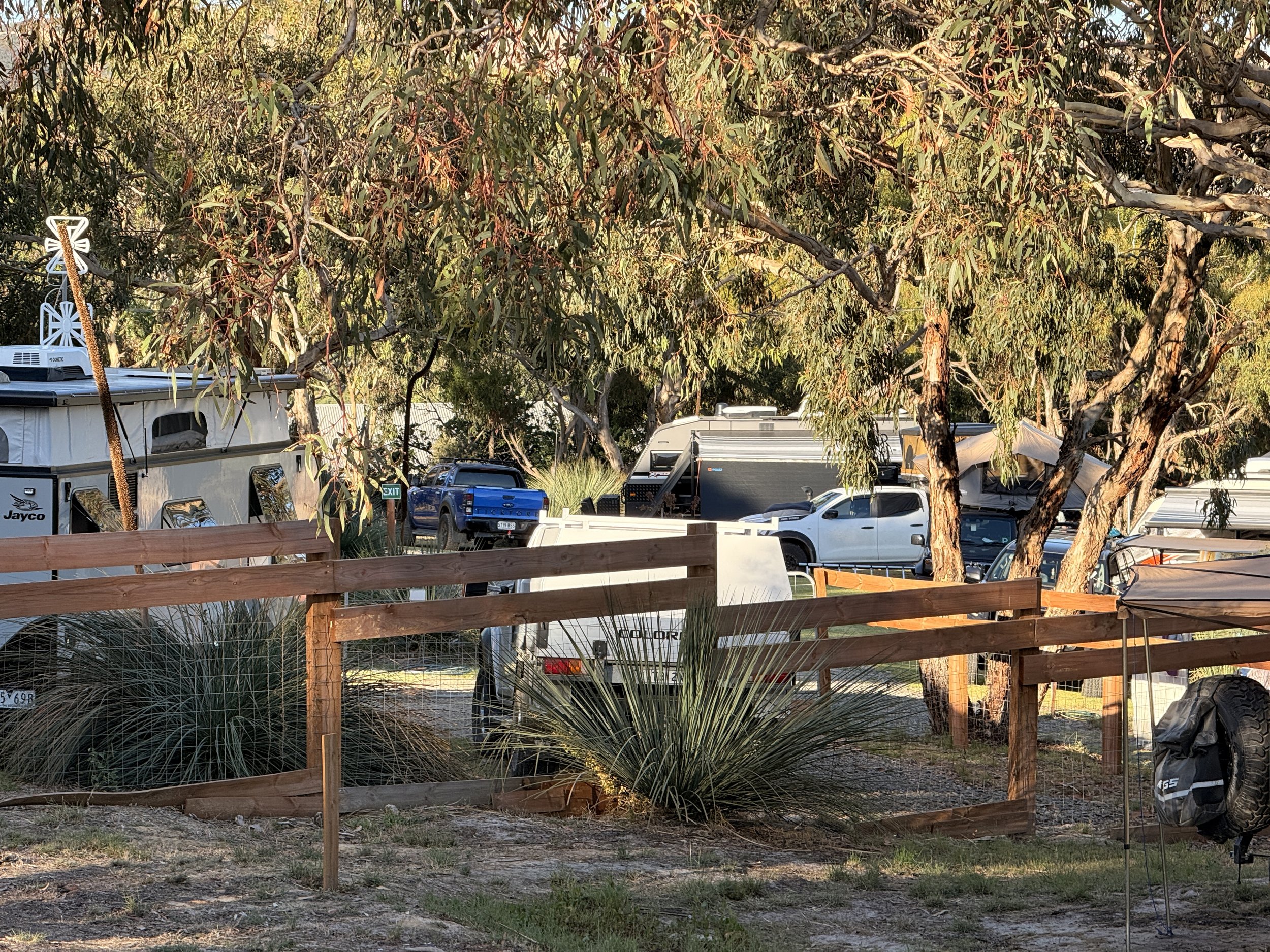
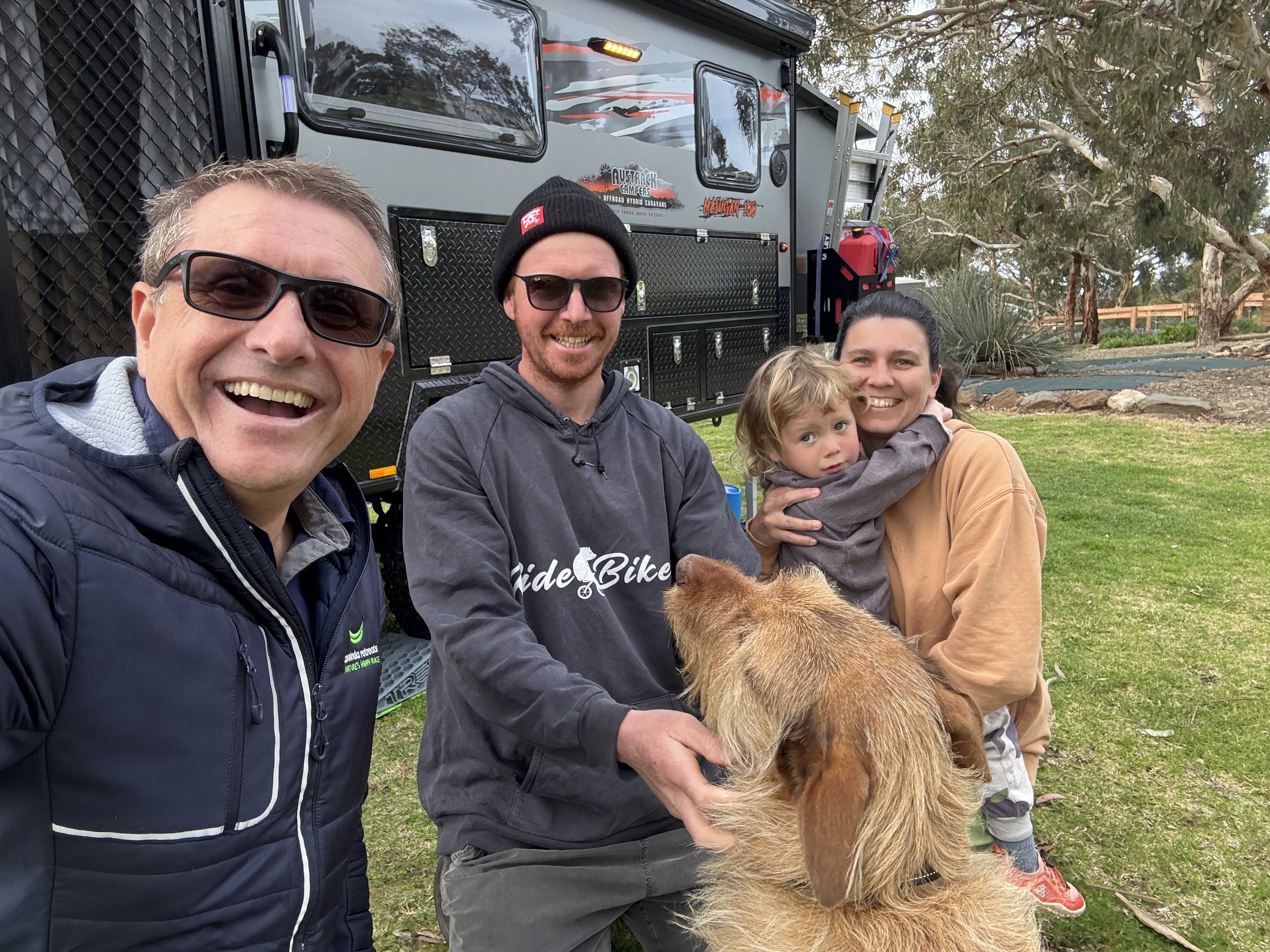
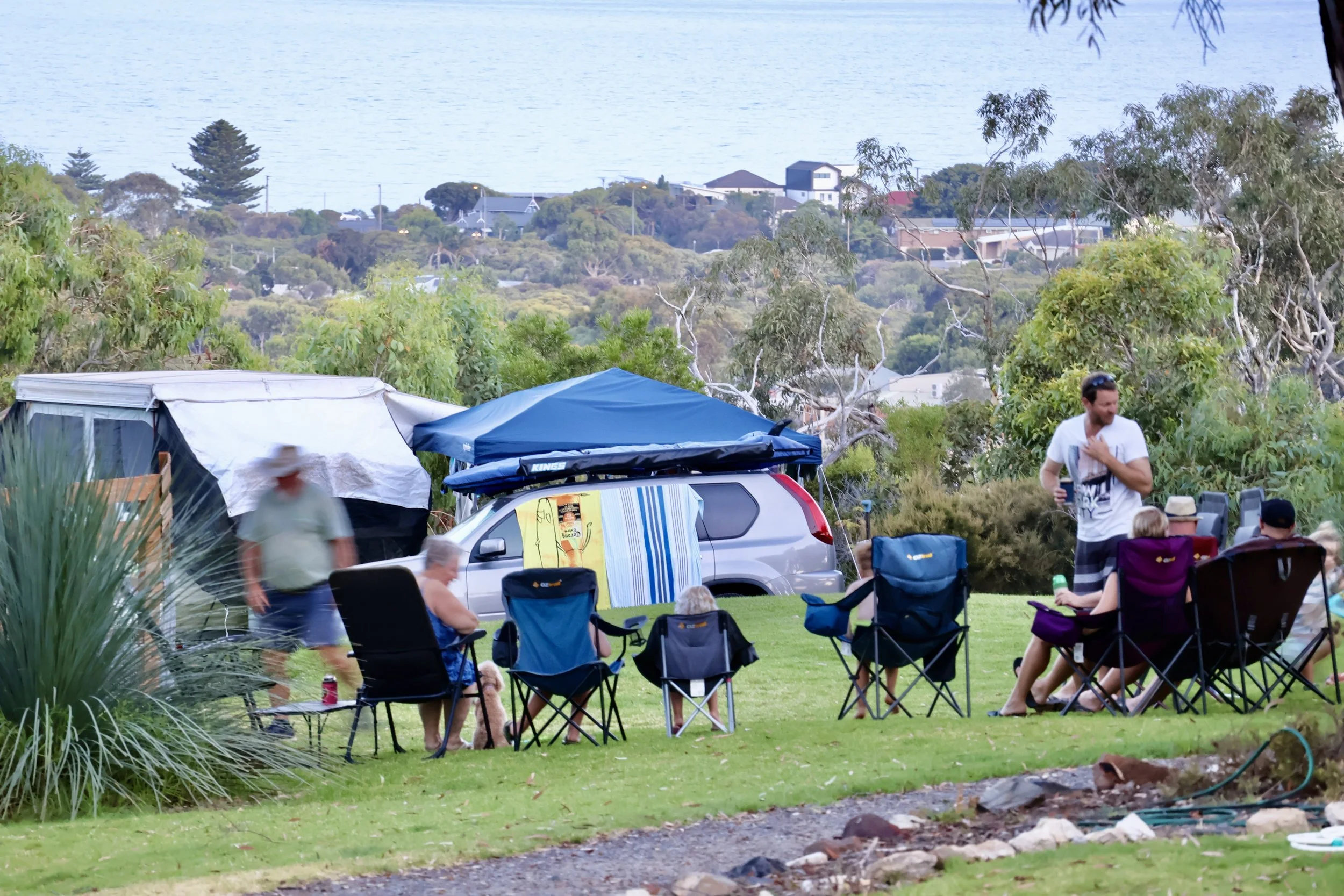
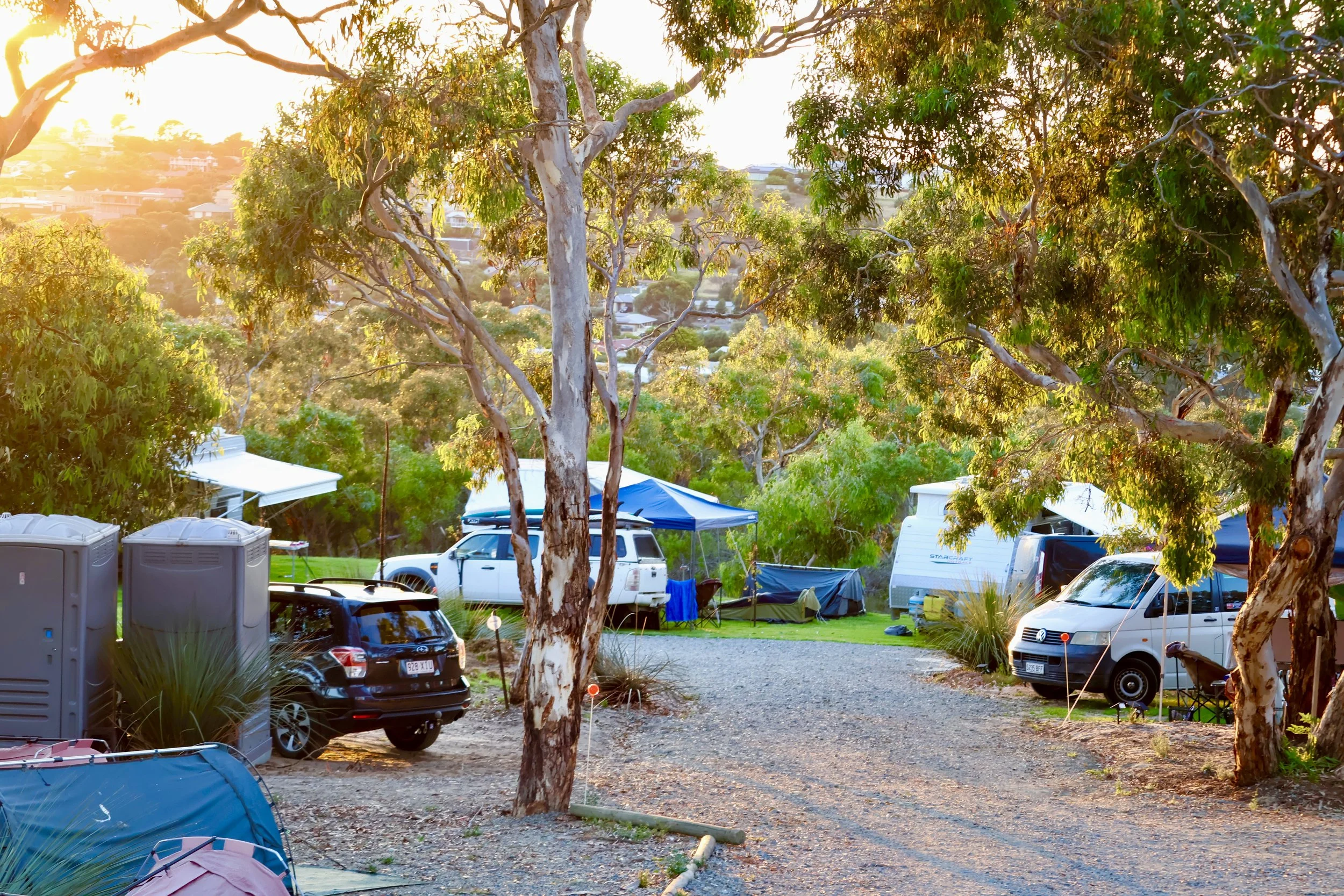
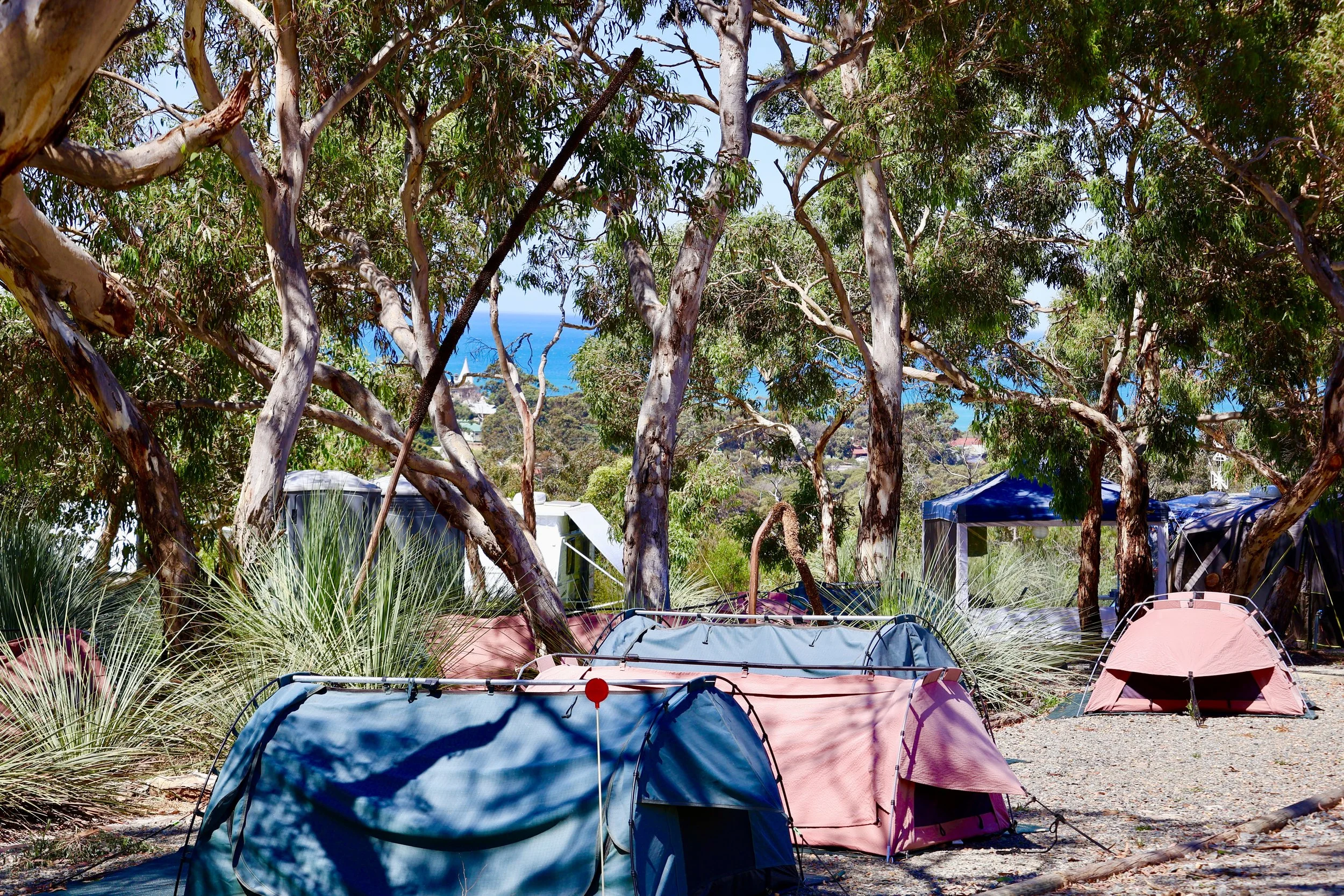
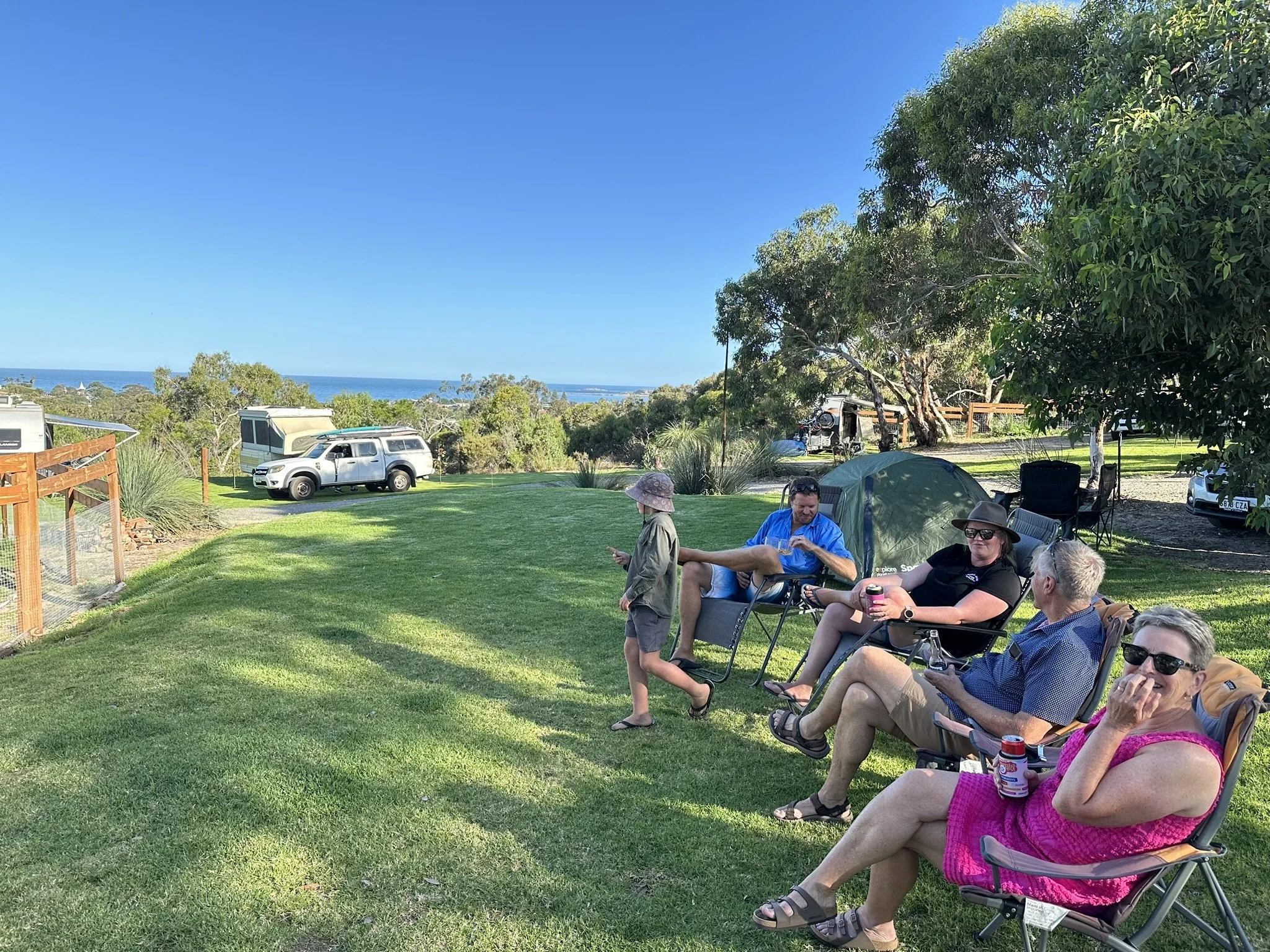
Our RV park extends that welcome to individuals, couples and families. We built it so more people could experience Cooinda, enjoy the coast and find time to slow down.
Sometimes visitors become curious about Toc H South Australia and its story. Sharing it can open wonderful conversations about community, service and their own experiences. Others simply appreciate the setting and the welcome. We value both. There is no expectation that every encounter must become something more.
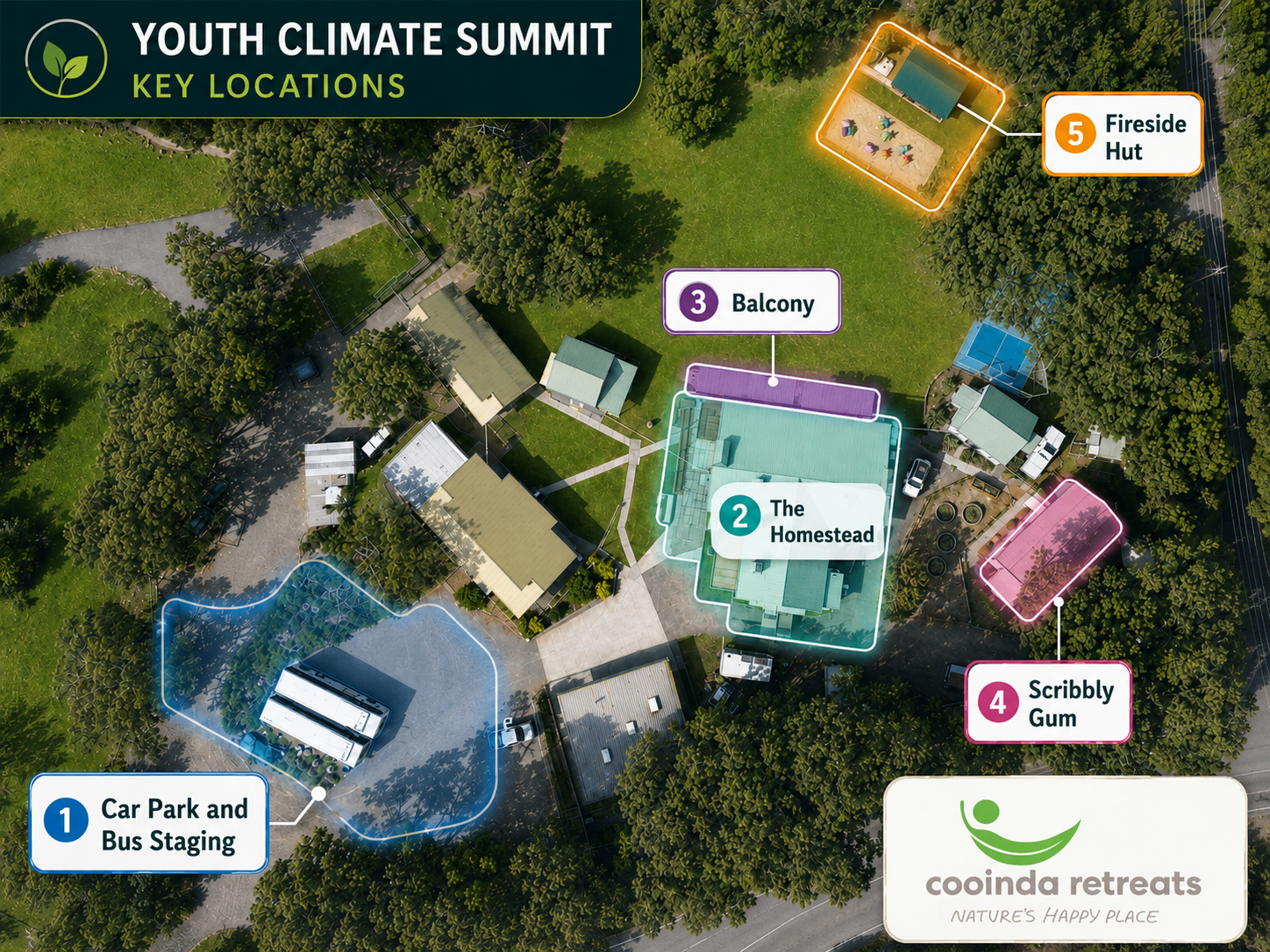
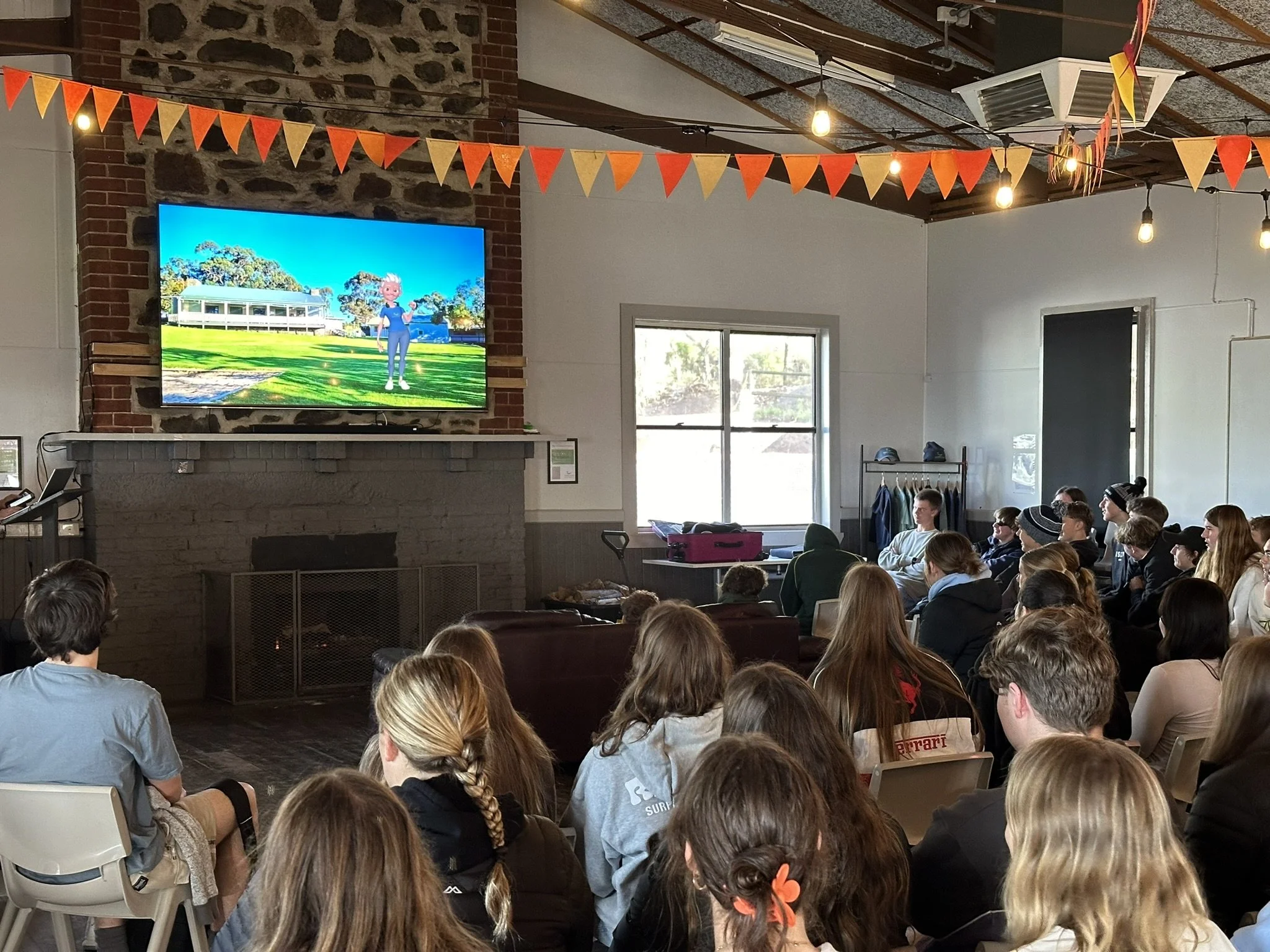
More recently, we have been building a greater role for Cooinda in everyday community life. We are pleased to have formed relationships with the City of Victor Harbor, with community sessions already taking place here. We have hosted the Youth Climate Summit, welcomed women’s gatherings and other group sessions, and are holding a regular circle of support for families and individuals.
Circles of support can help people build trusted relationships, share ideas and decisions, and draw on practical help and encouragement through difficult times. Their strength grows through people taking a continuing interest in one another’s lives.
We are pleased to provide space for those relationships to develop. As more communities find ways to use Cooinda, the benefit of keeping it available continues to grow.
Research reinforces the importance of this direction. The recent Social and Economic Impacts of Community and Neighbourhood Centres in South Australia summary report, commissioned by LGA South Australia and supported by Community Centres SA, reports $99.31 million in annual economic and social benefits across the sector. It estimates $2.59 in social benefits for every dollar of income received.
Its description of community centres resonates strongly with our purpose:
“their greatest strength lies in fostering belonging and enabling residents to contribute, participate and thrive.”
The research examines community and neighbourhood centres across South Australia. For us, it provides encouraging evidence for the wider value of the connection, participation and belonging we are working to support at Cooinda. It is wonderful to see that value recognised and to know we are contributing to a broader community effort.
The report also recognises the foundations needed to sustain those benefits: stable operational funding, suitable spaces, and investment in staff and volunteer capacity.
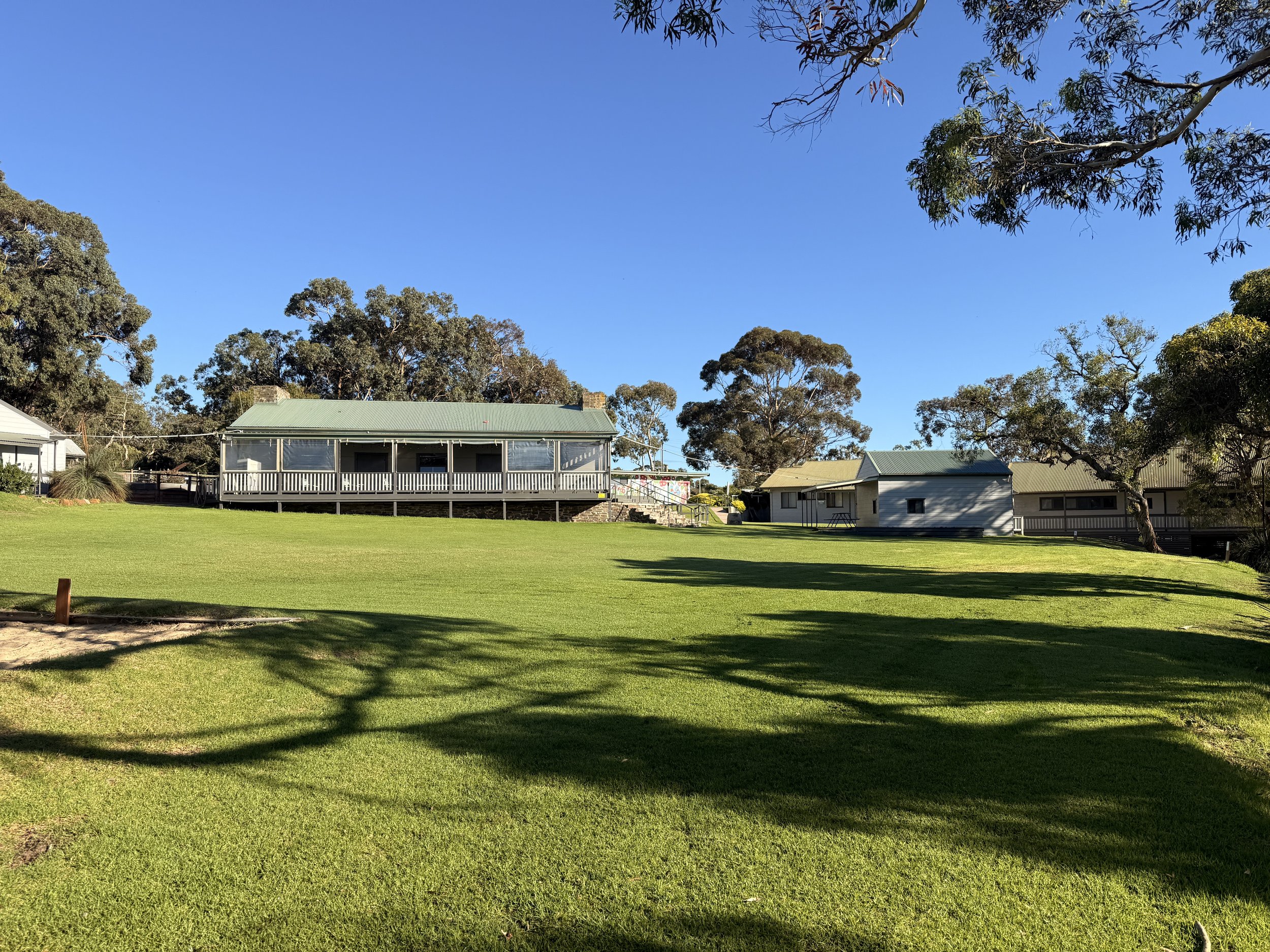
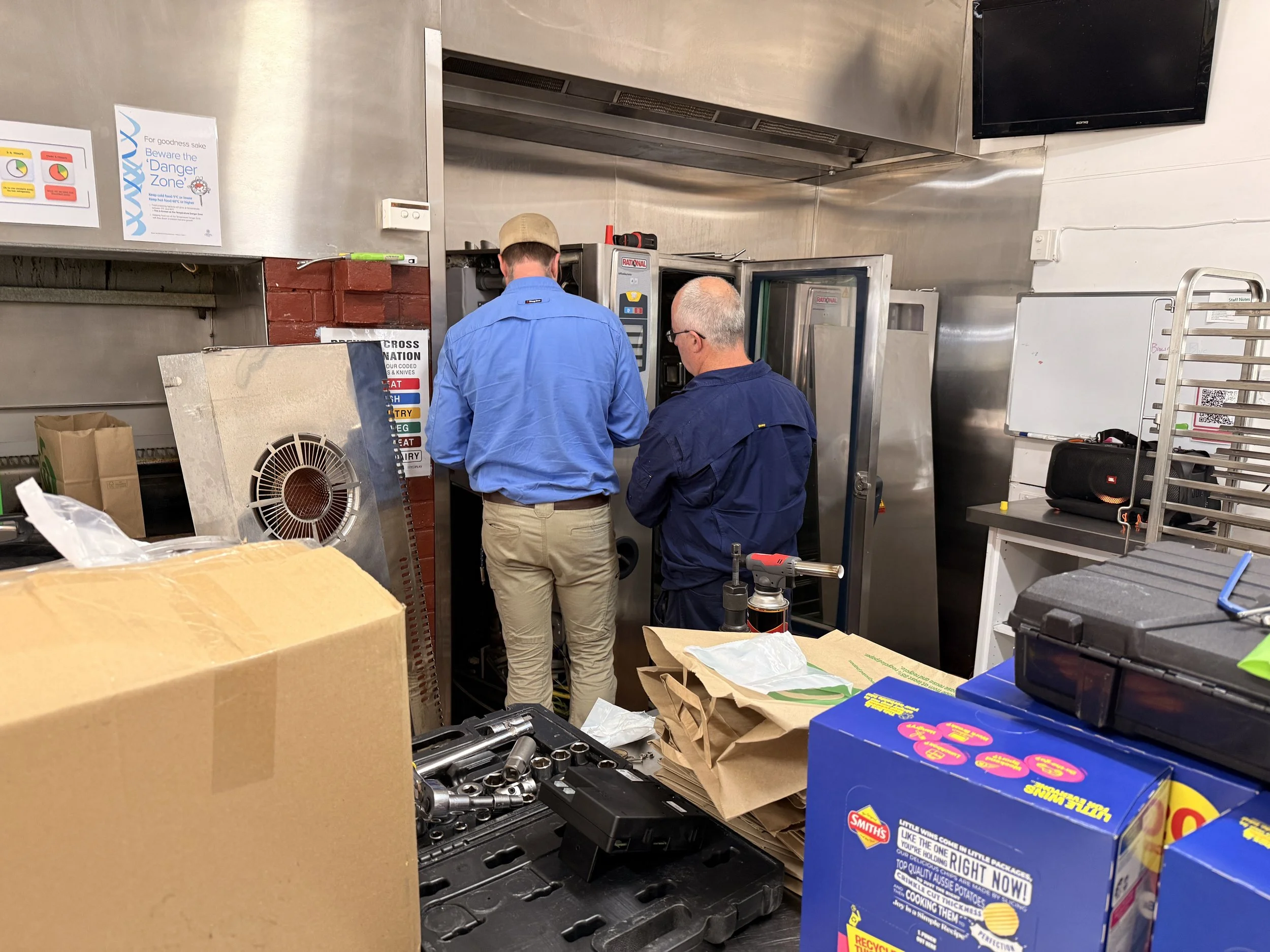
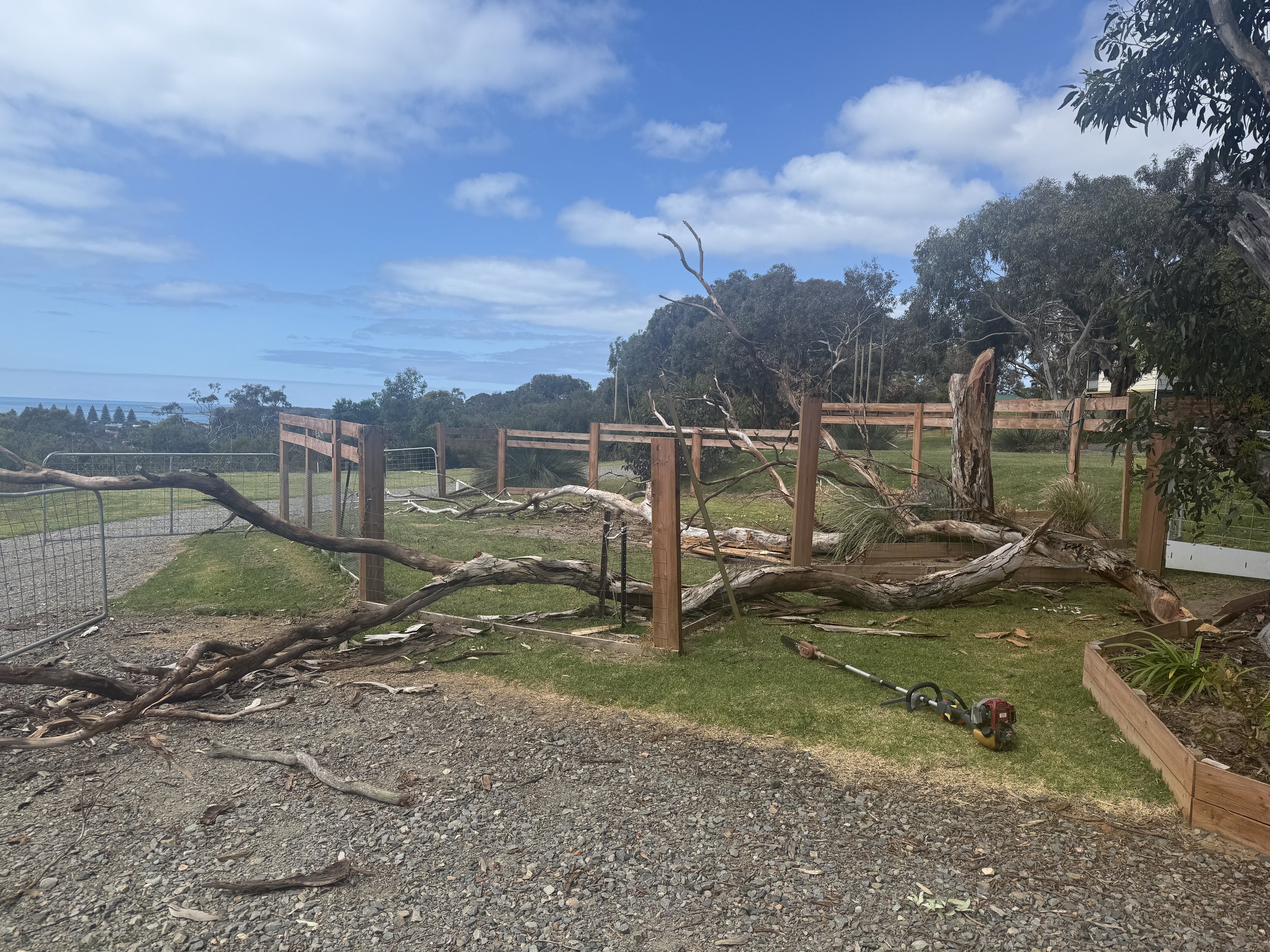
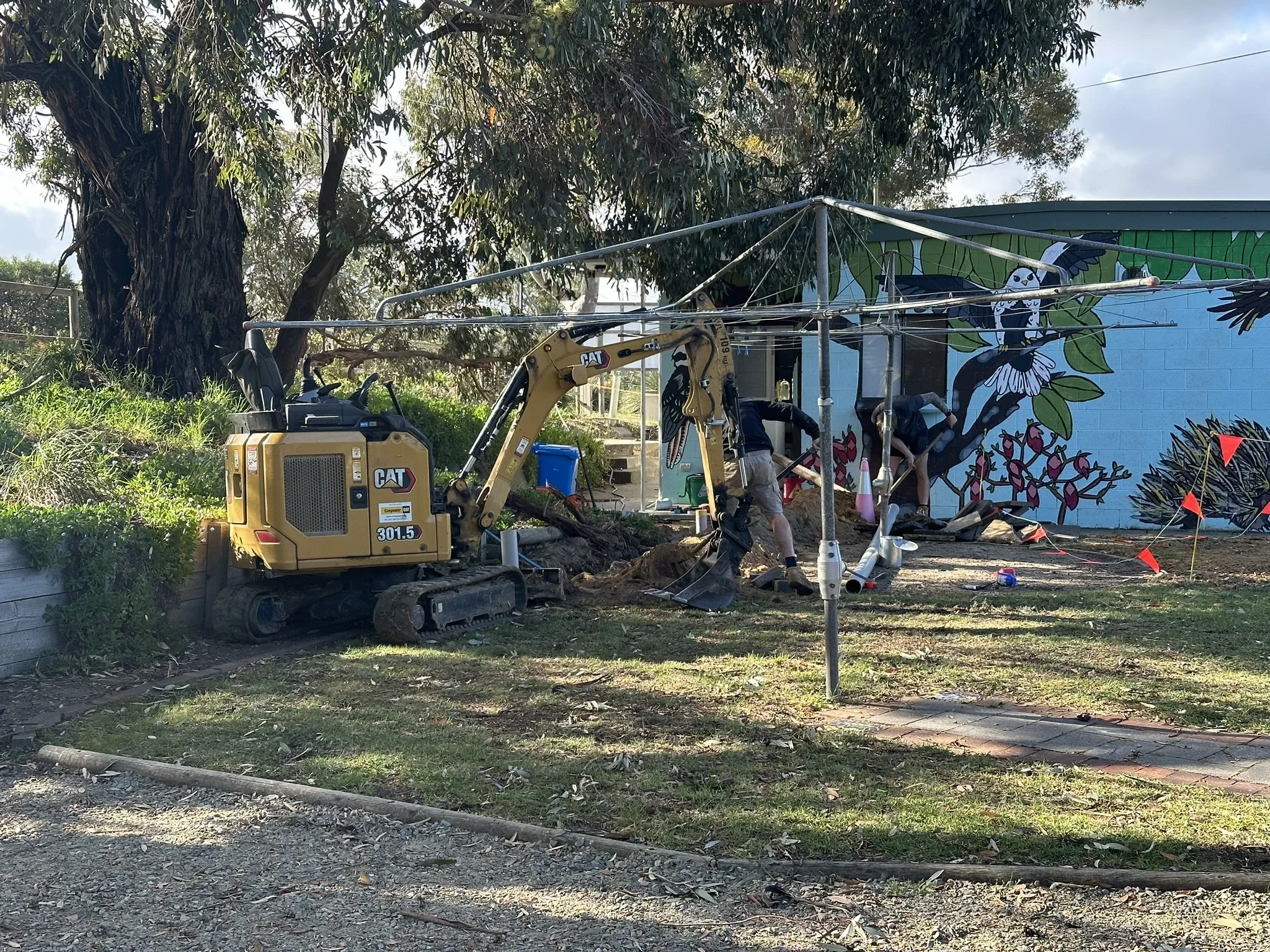
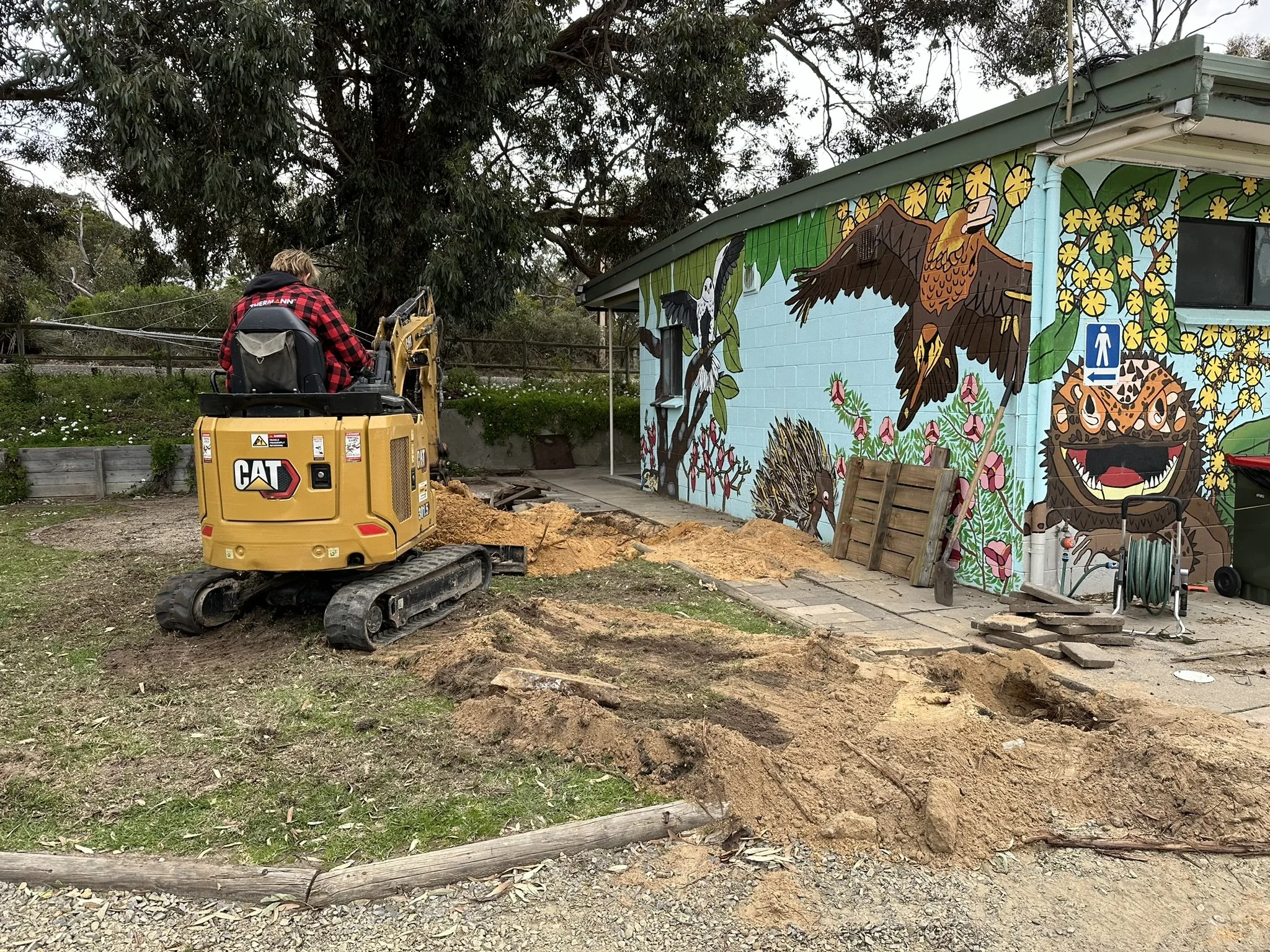
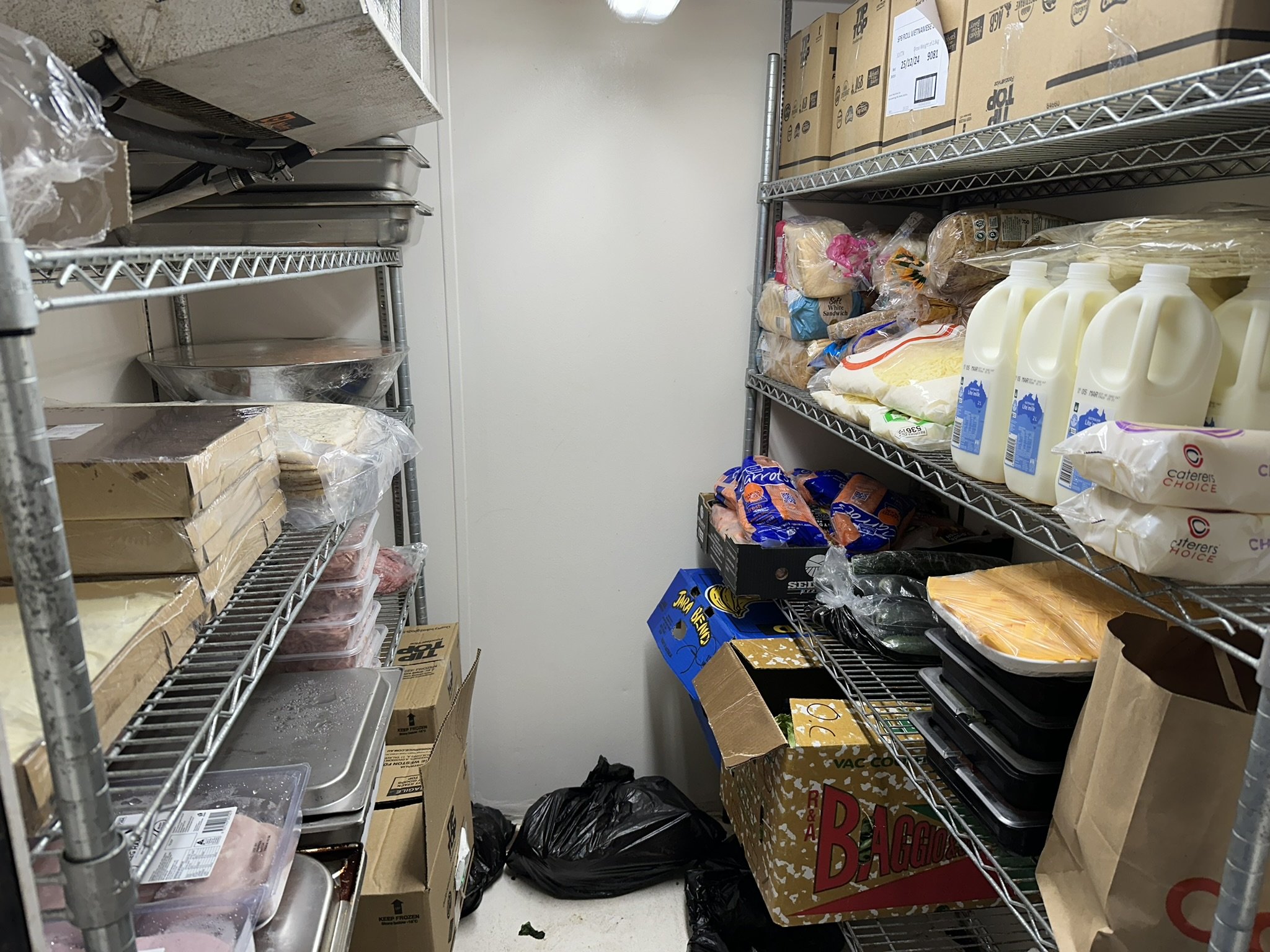
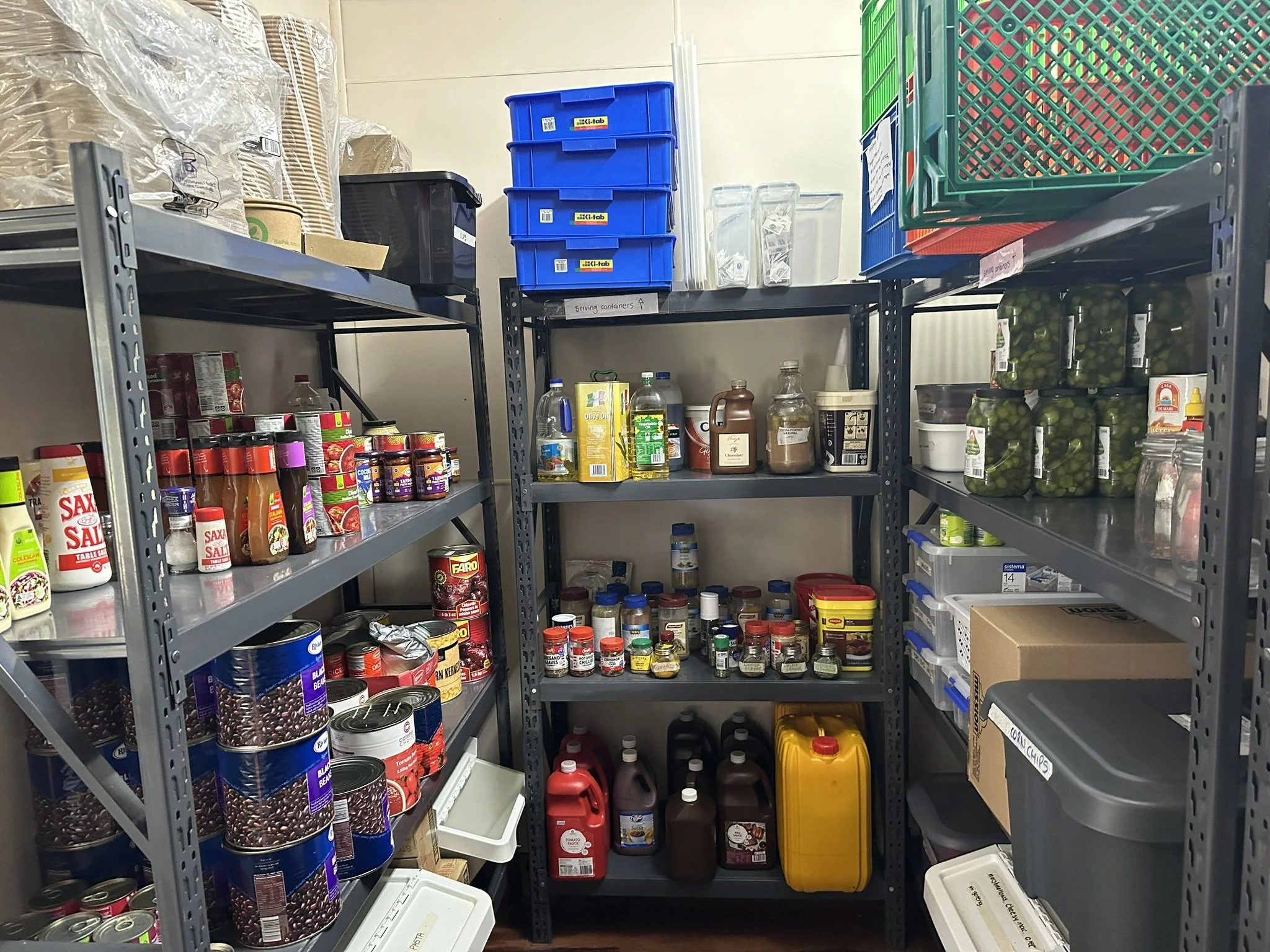
Those foundations require daily attention at Cooinda. Some buildings date from the 1930s. Hosting up to 150 people at a time requires meals, cleaning, maintenance, reliable amenities and safety arrangements. Bookings, governance, financial management and planning support every stay.
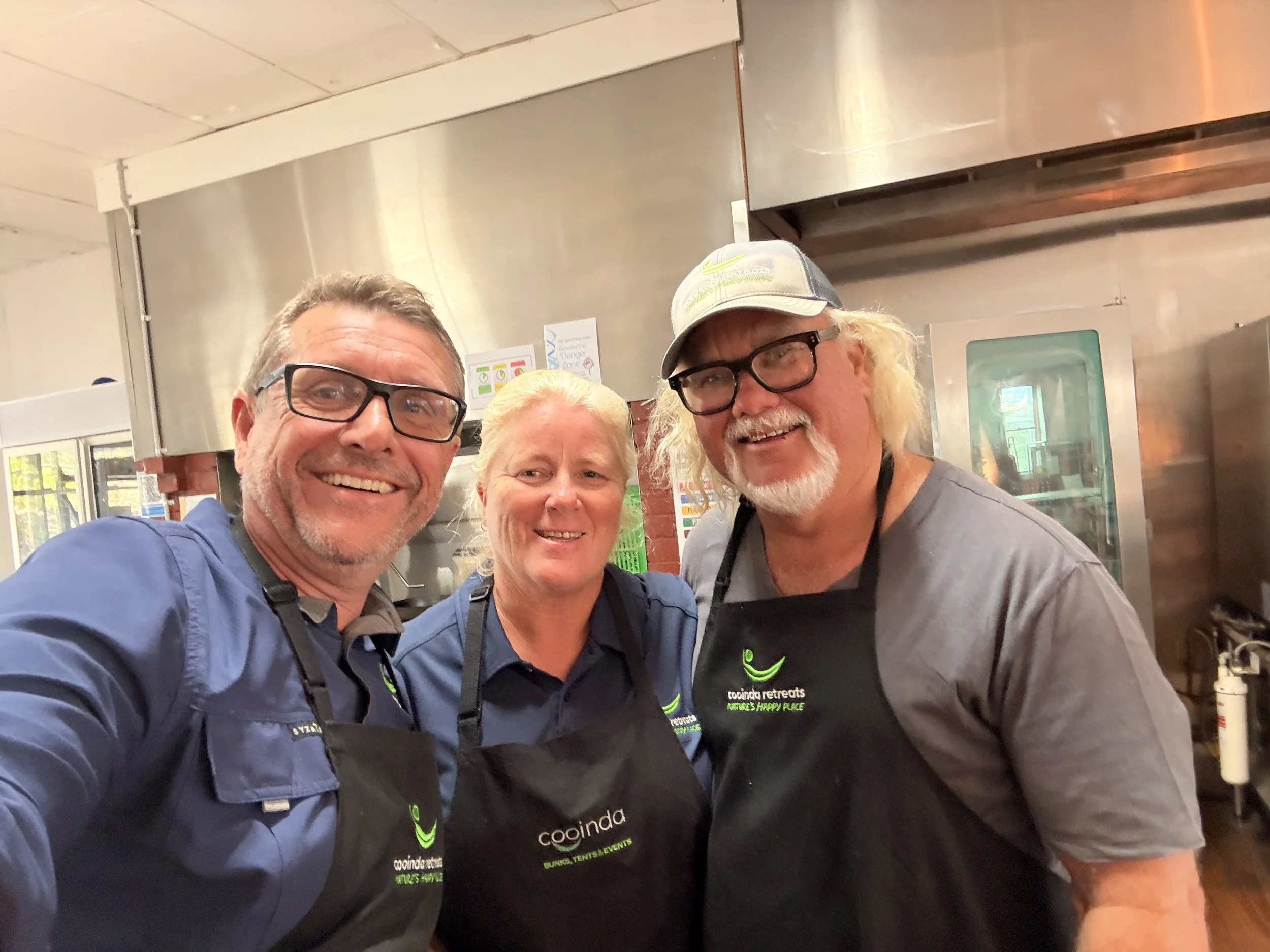
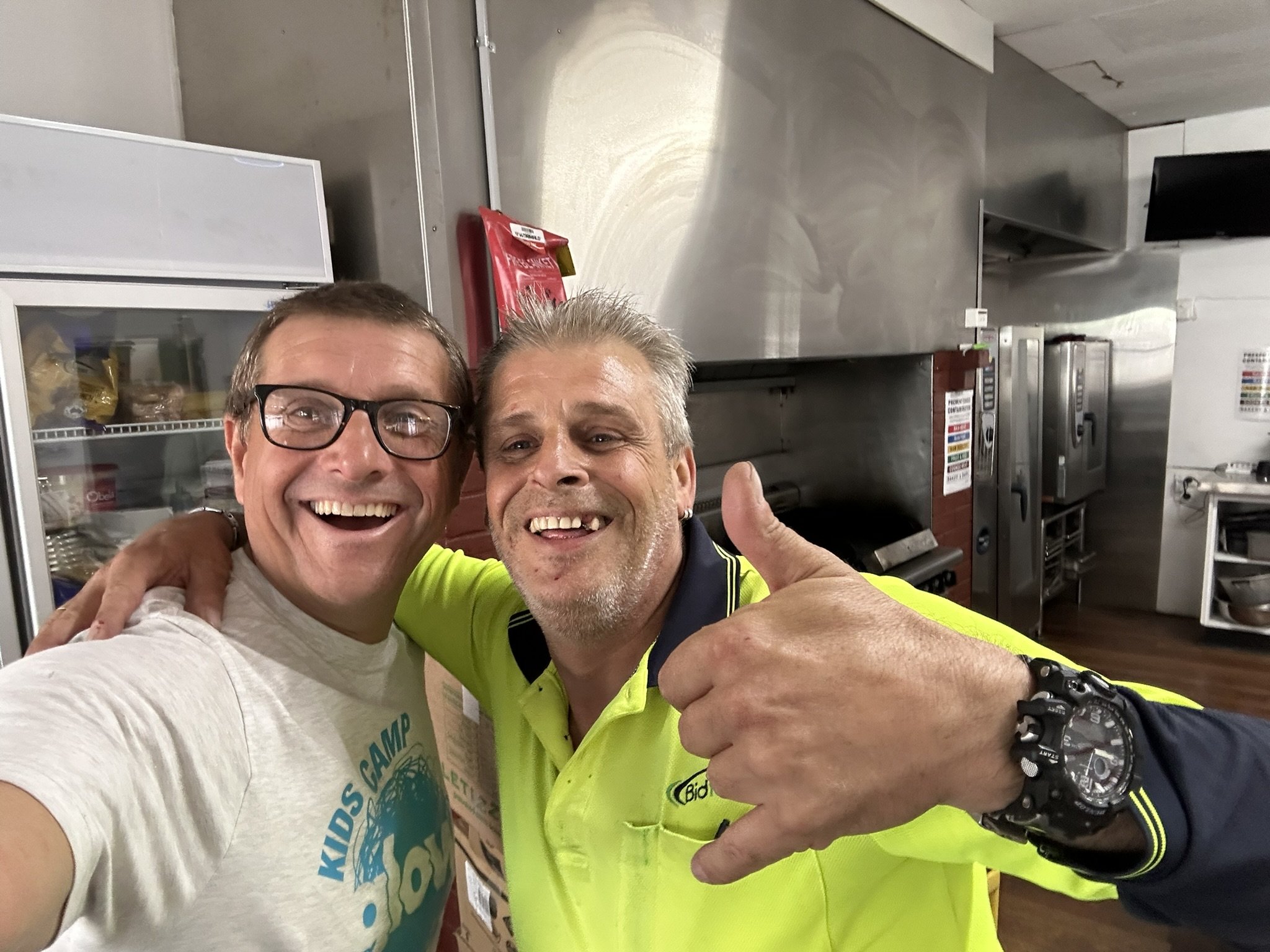
People contribute to that work as volunteers, employees, members and professional supporters. Each contribution matters. The arrangements help us organise the work, while our shared purpose gives it direction: keeping Cooinda available and ensuring people are welcomed and supported when they come.
Without Toc H South Australia’s continuing commitment, the experiences taking place here would lose the place and support that currently make them possible. That is where we see the significance of our contribution.
Accommodation, catering and RV park income help sustain it. Managing income carefully allows us to maintain facilities, meet responsibilities and keep creating opportunities for community use.
This work is demanding. In a world where investment so often follows the strongest financial return, places like Cooinda require a commitment to benefits shared across a community. Friendships, confidence and belonging have substantial value, even when they do not appear as revenue in the accounts.
For charities, this brings us back to the resources entrusted to us and what they can achieve. Generosity carries hope for the lives of others. Honouring it requires careful stewardship and a willingness to put it to work.
Preserving resources for the future matters. So does sustaining the people, places and capacity through which a charitable purpose can reach that future. Buildings need attention today. Relationships take time to develop. People need support to keep contributing. Capacity lost through delay can be difficult to rebuild.
At Toc H South Australia, we see the generosity of earlier generations as an invitation to act with care and courage. Our responsibility is to understand what our community needs and make considered decisions that turn available resources into lasting benefit.
We often hear that Toc H needs more people. Cooinda gives us opportunities to begin with something meaningful for people to participate in: a gathering, a partnership, a community activity or a practical contribution that makes someone else’s experience possible. Relationships can grow from that shared work.
Our history helps explain how we arrived here. Questions about membership and the different ways people contribute have also helped shape our organisation. Today, the opportunity ahead deserves our attention. If we remain absorbed in familiar distinctions and expectations, we risk overlooking the people already connecting with us and the possibilities they bring.
A movement seeking a future needs room to recognise its purpose in contemporary life. That includes work which may look different from earlier forms of service, yet continues to create fellowship, participation and care.
For Toc H South Australia, this is happening at Cooinda Retreats. We see it in the communities gathering here and in the continuing effort that keeps the doors open.
Our contribution is often quiet. People may leave remembering their school retreat, their church weekend, a conversation or a peaceful stay by the coast. We are pleased to have helped make it possible.
That is how our association gives fellowship a home.
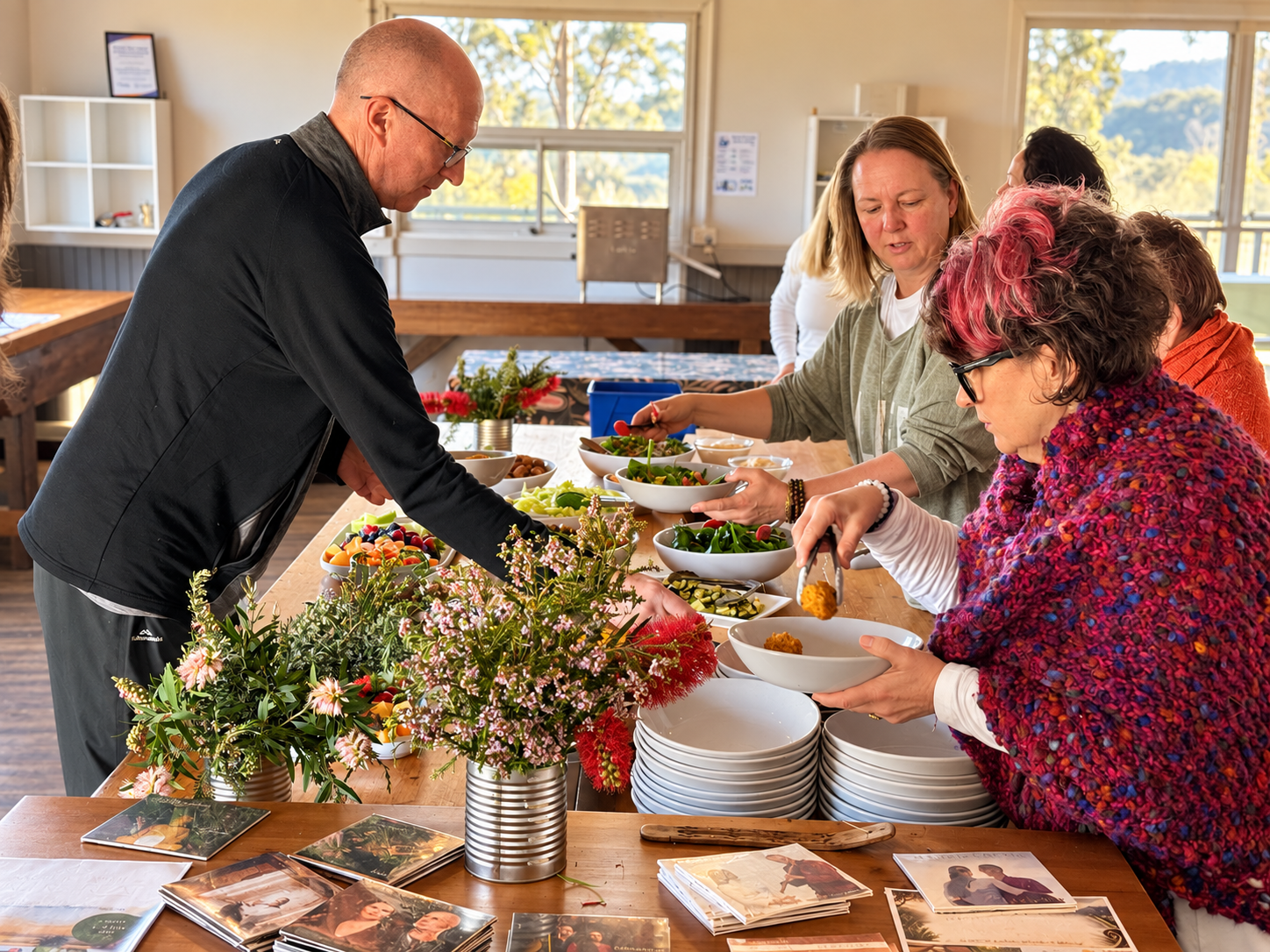
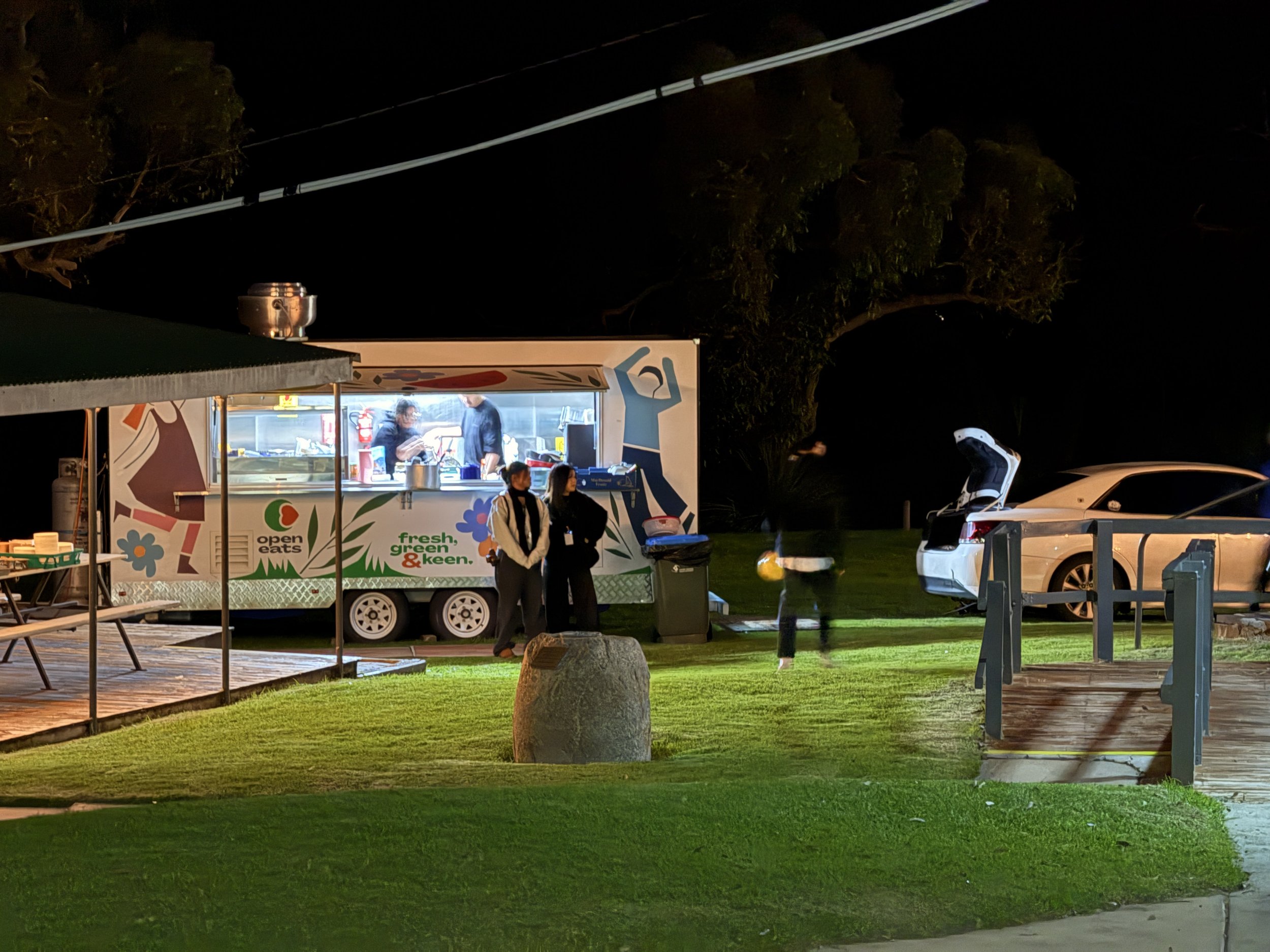
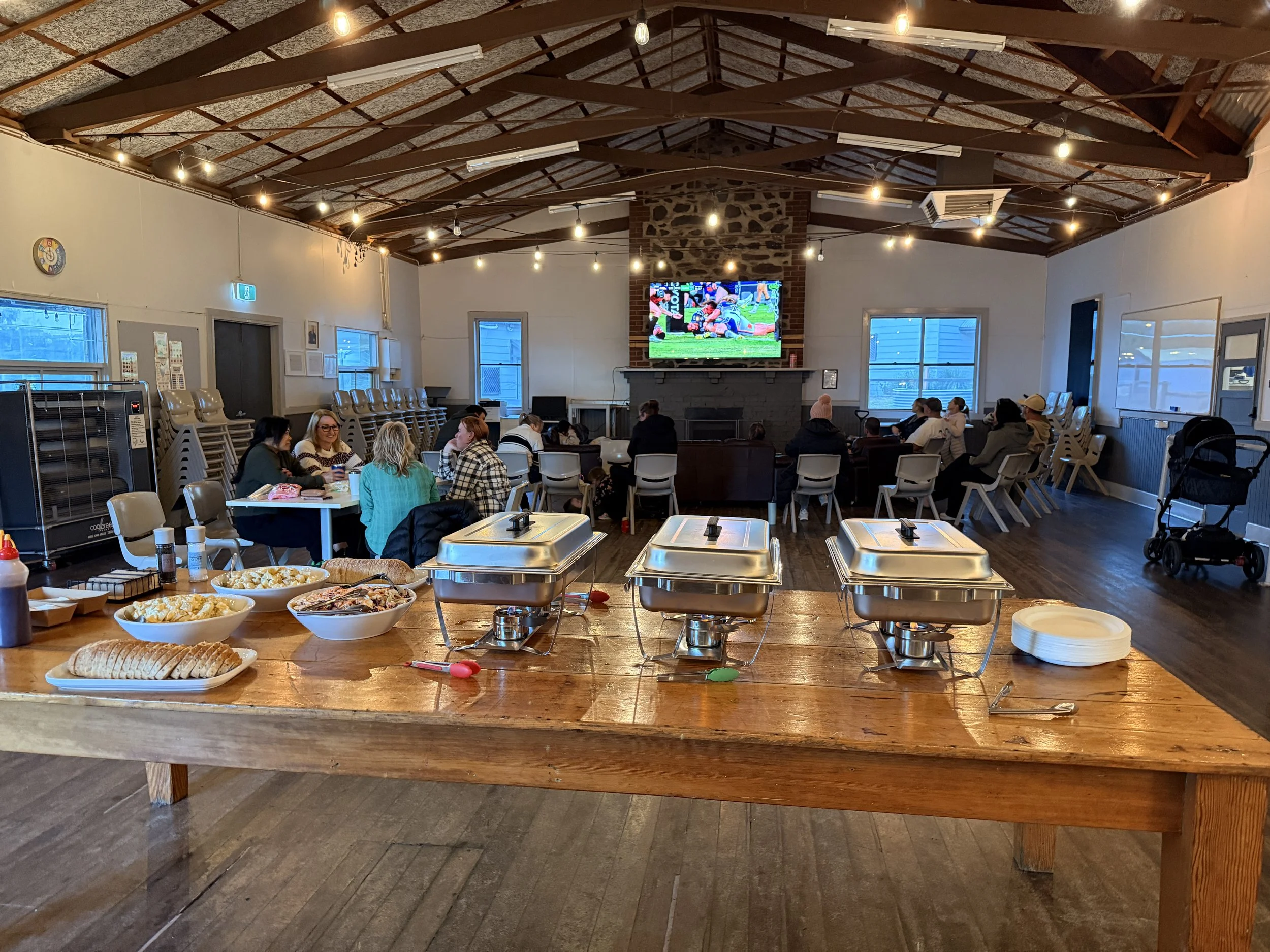
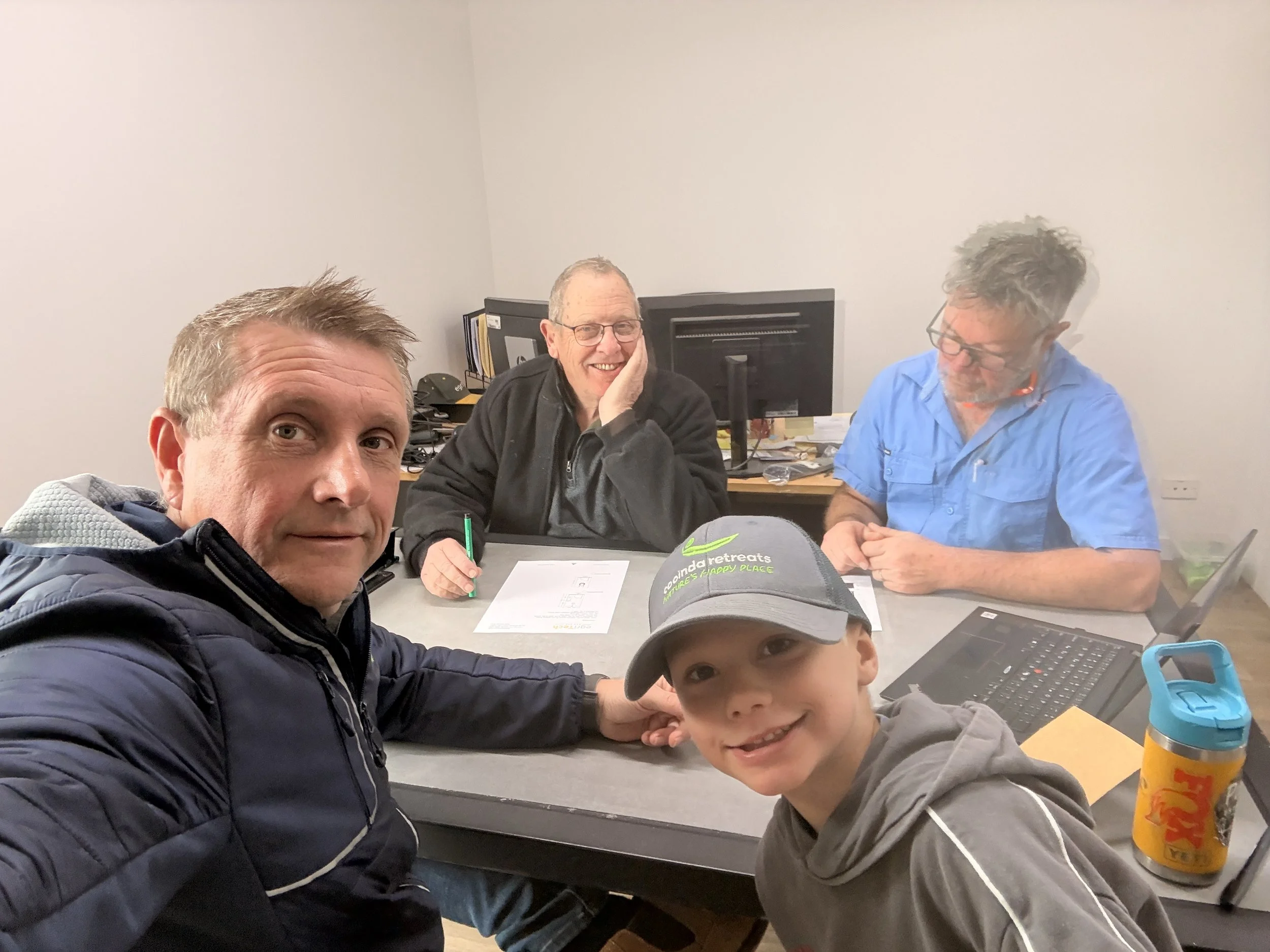
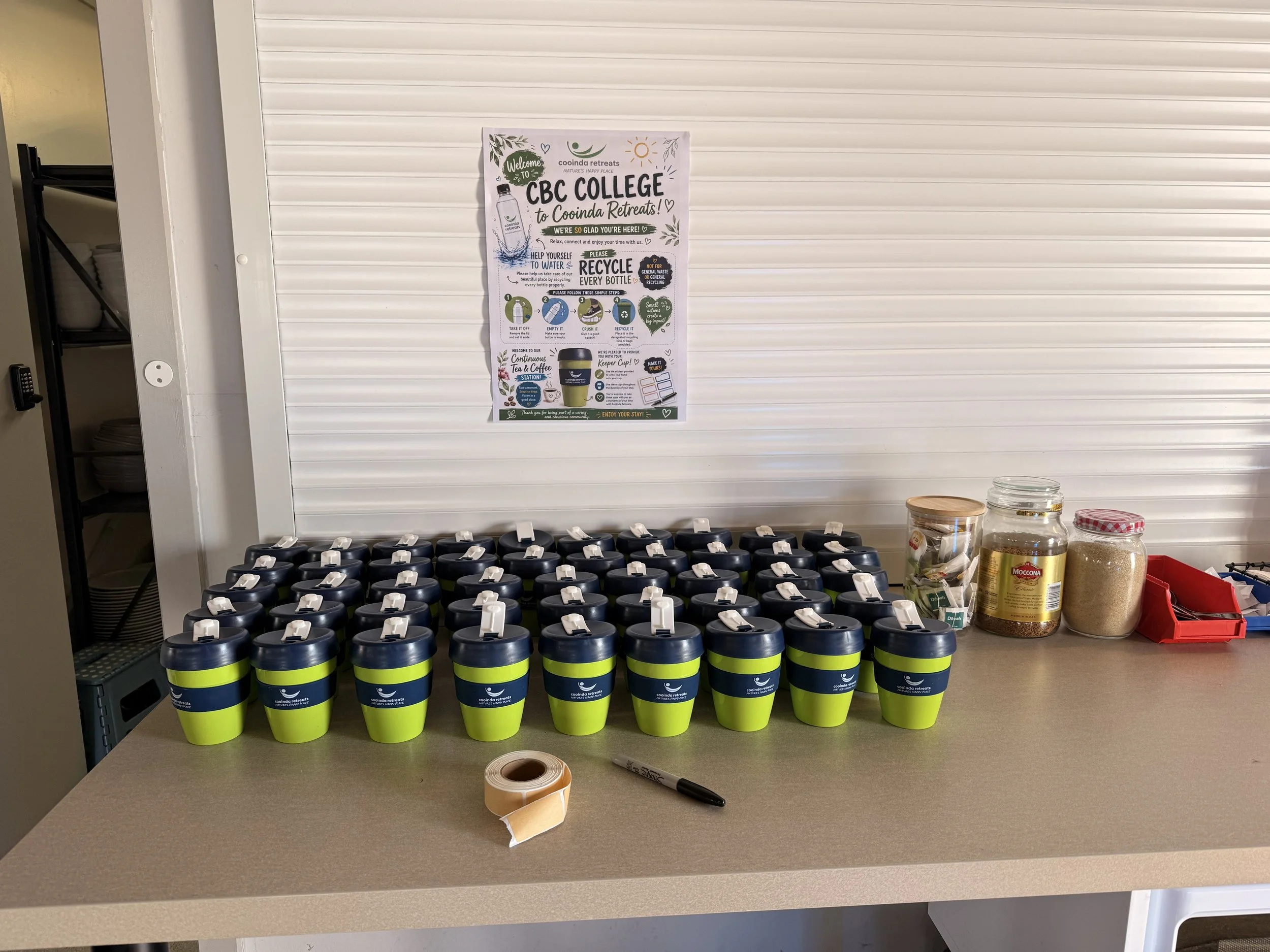
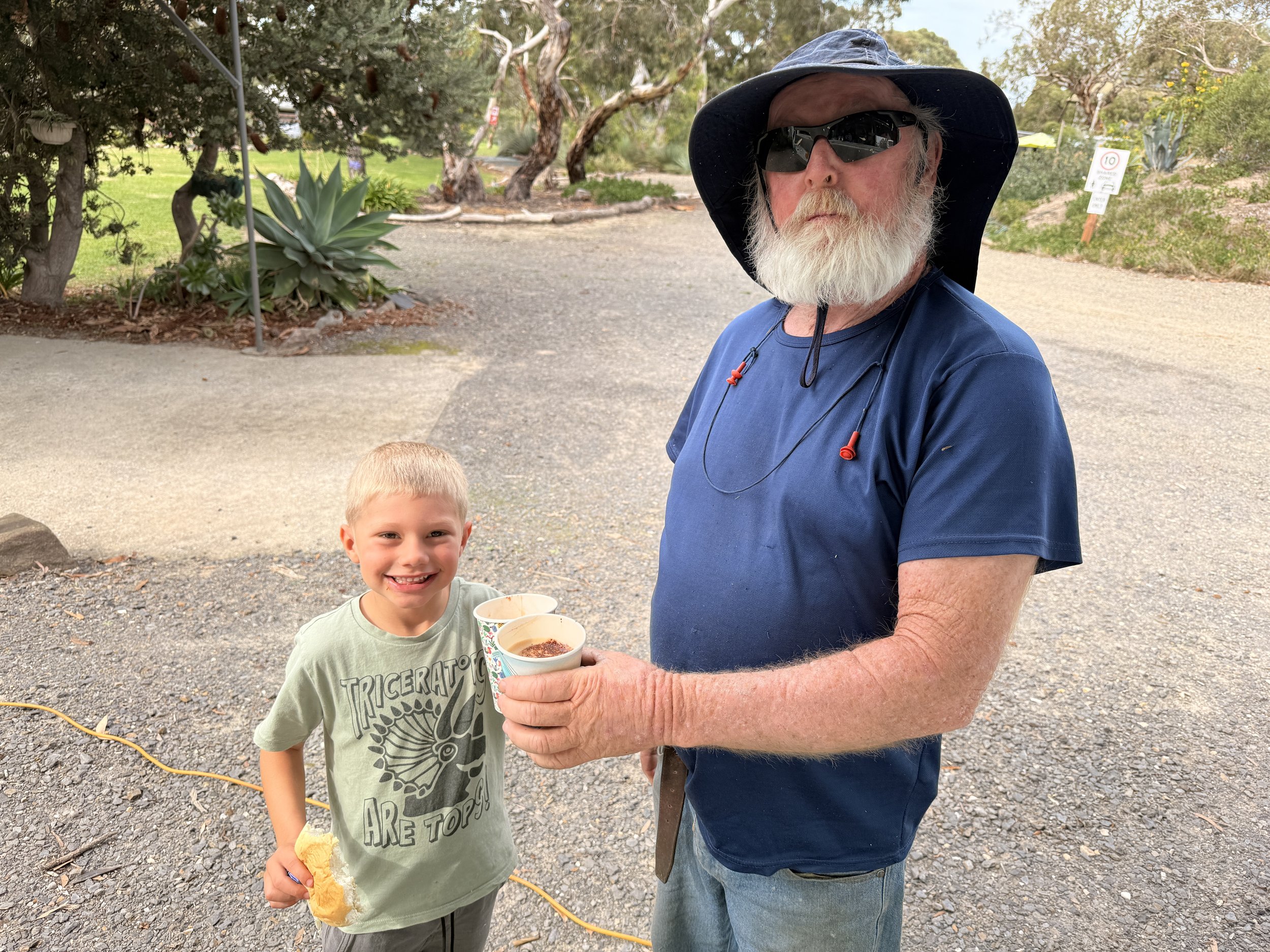
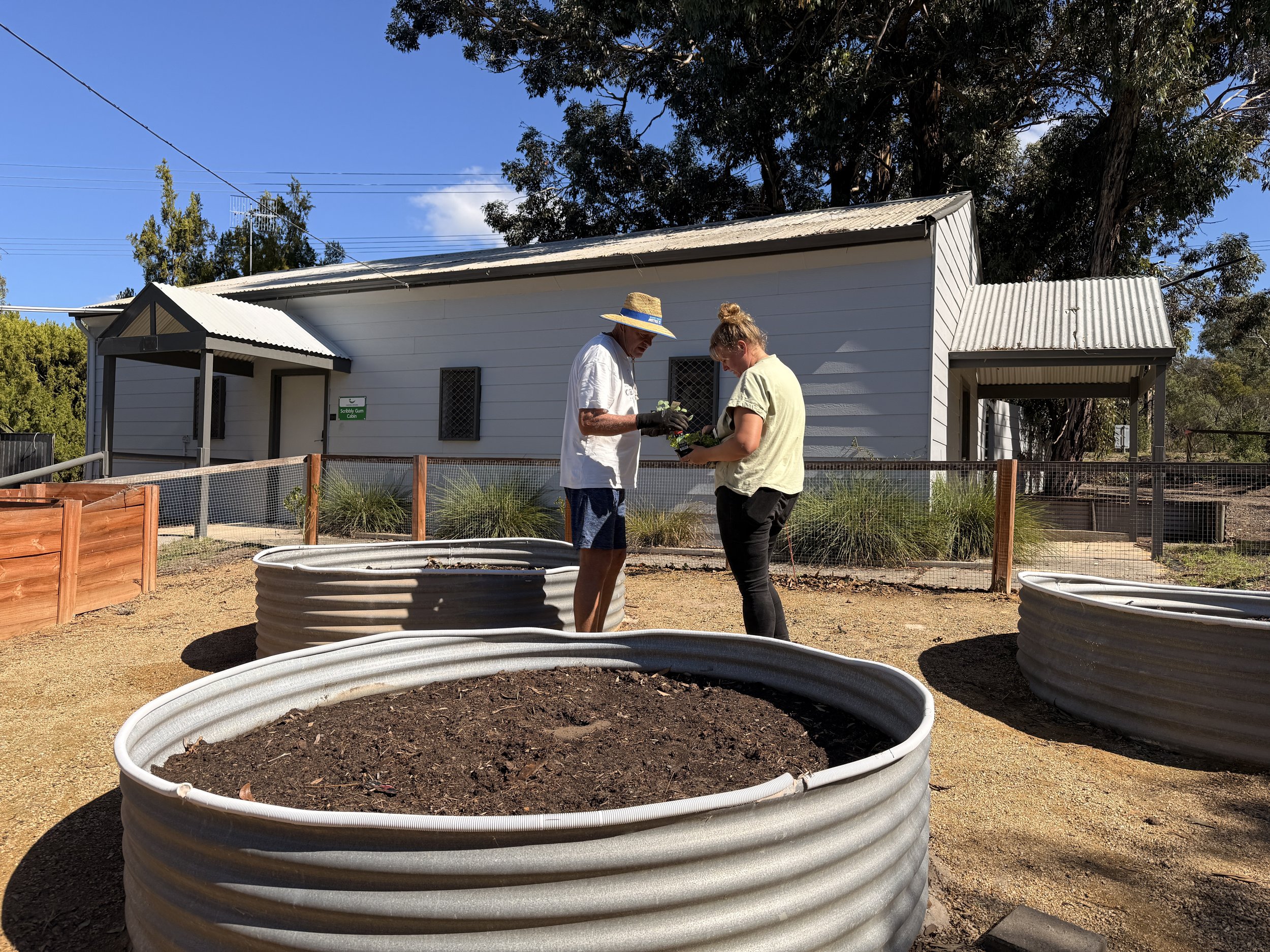
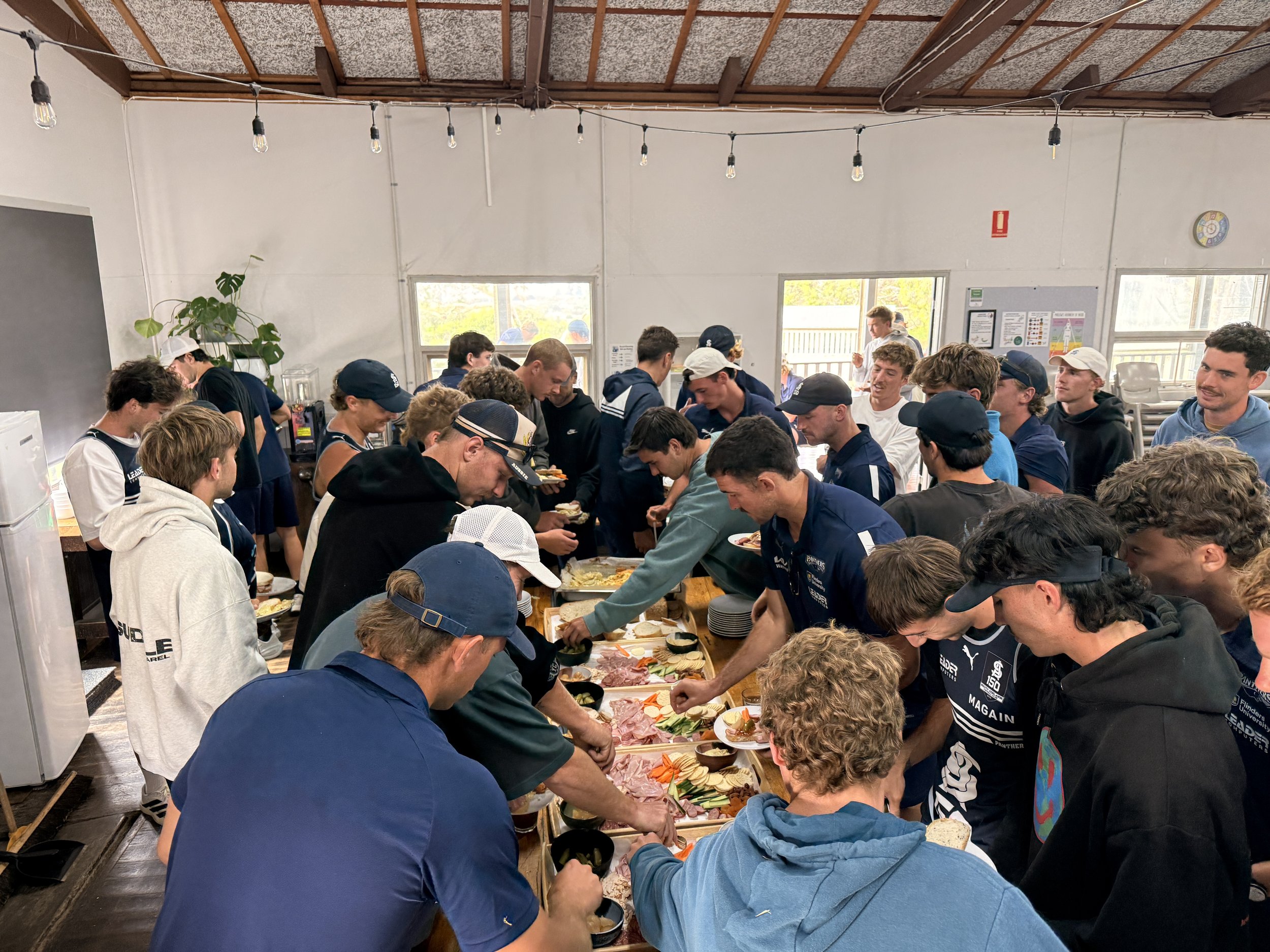
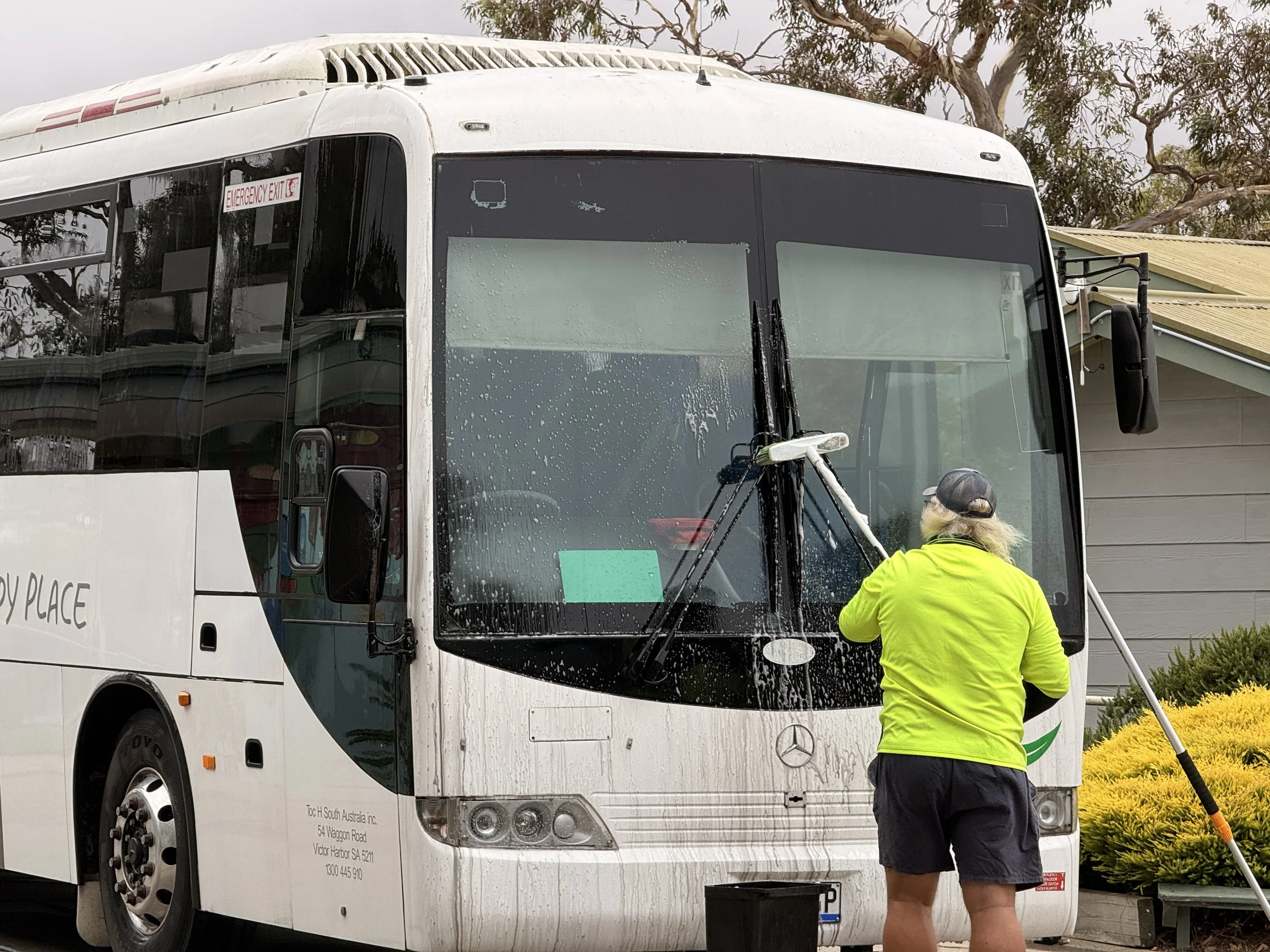
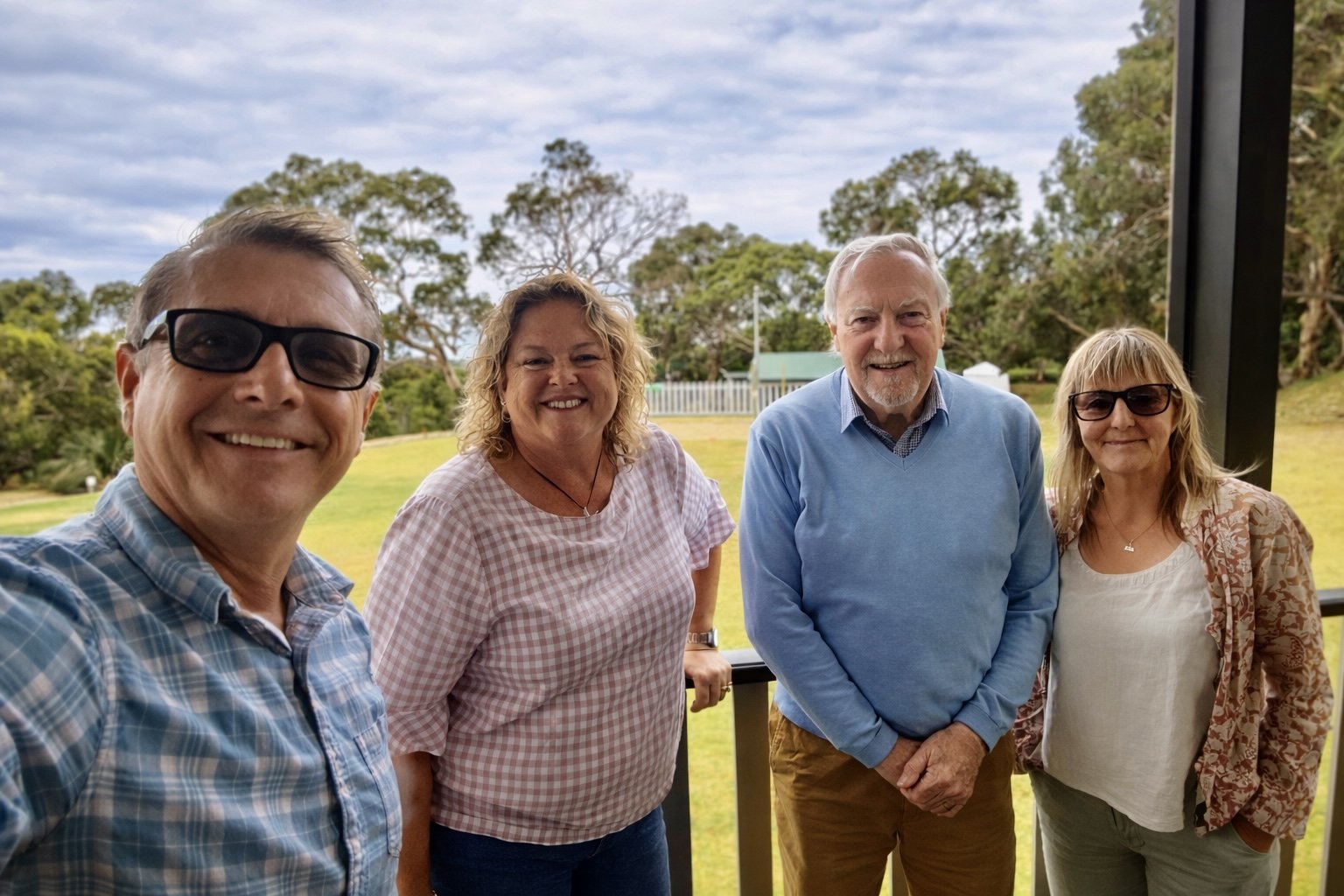
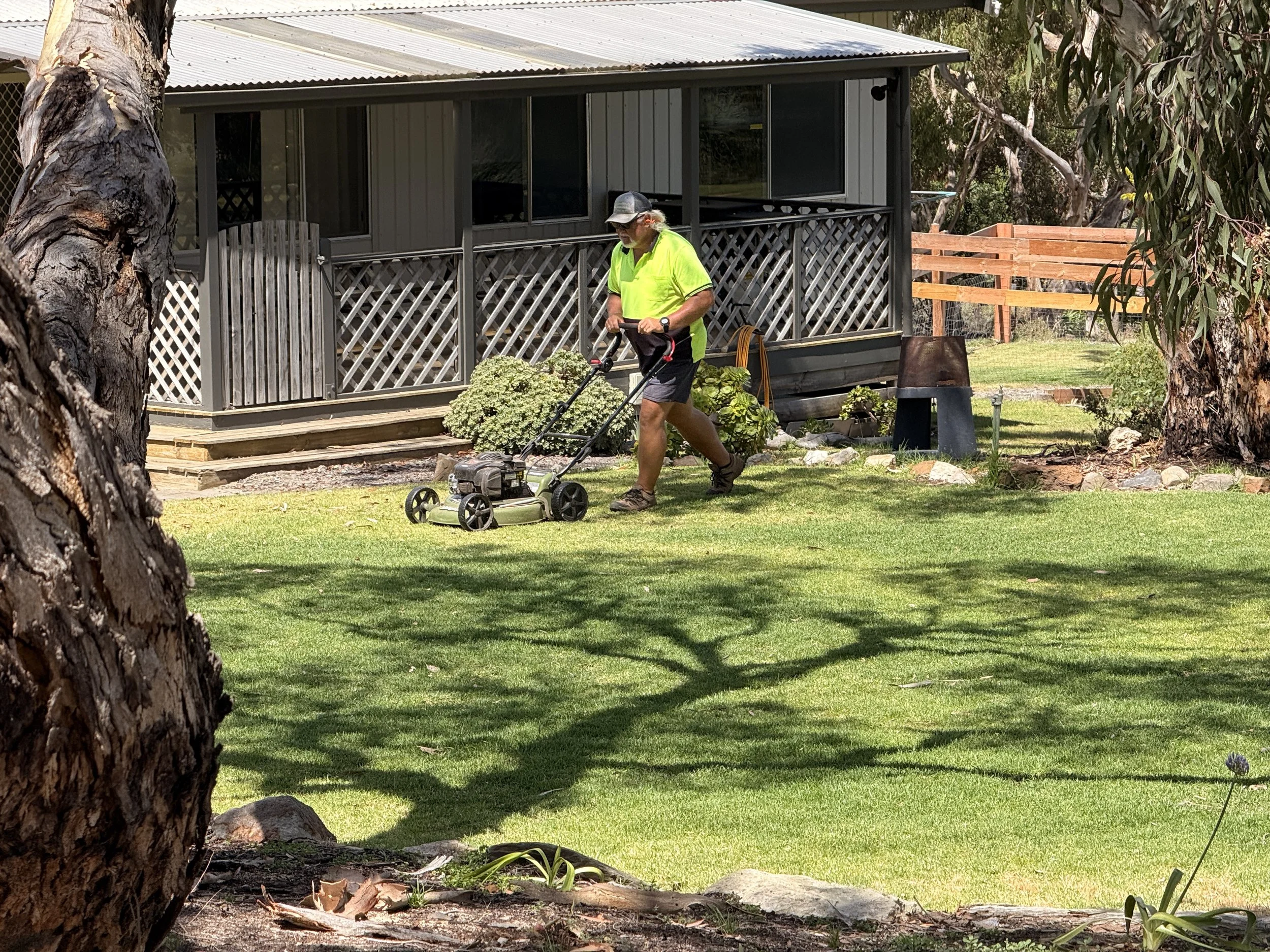
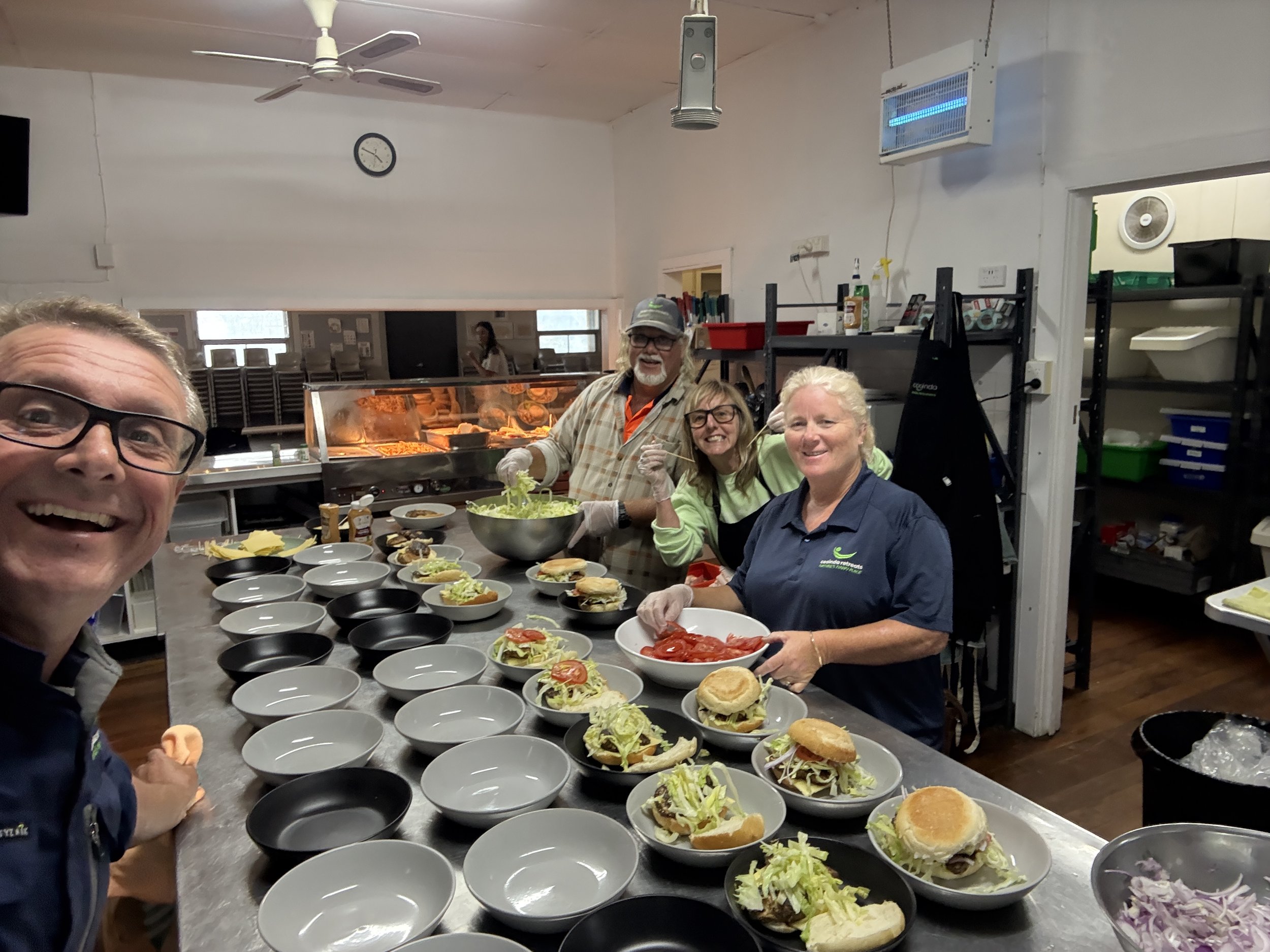
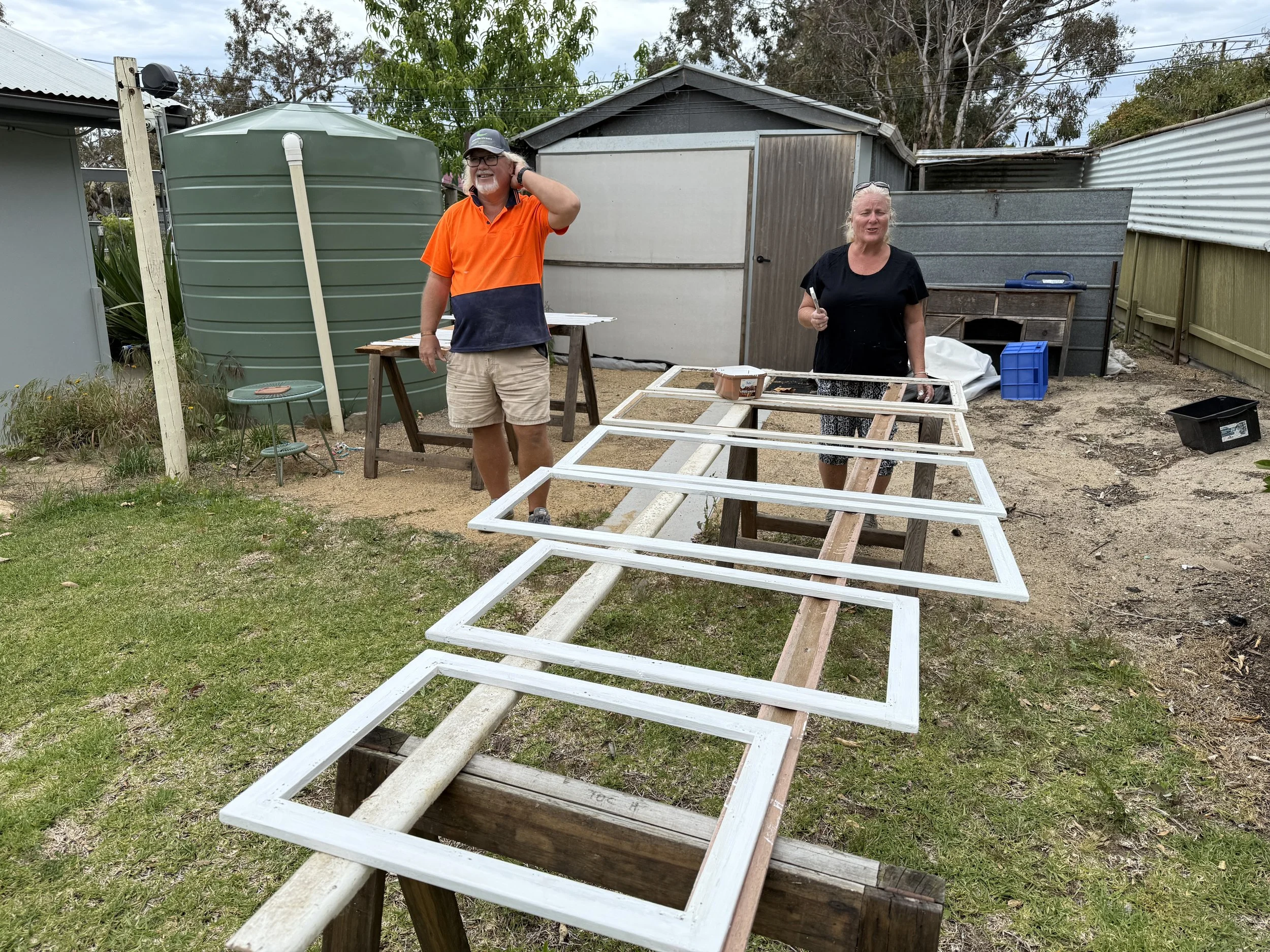
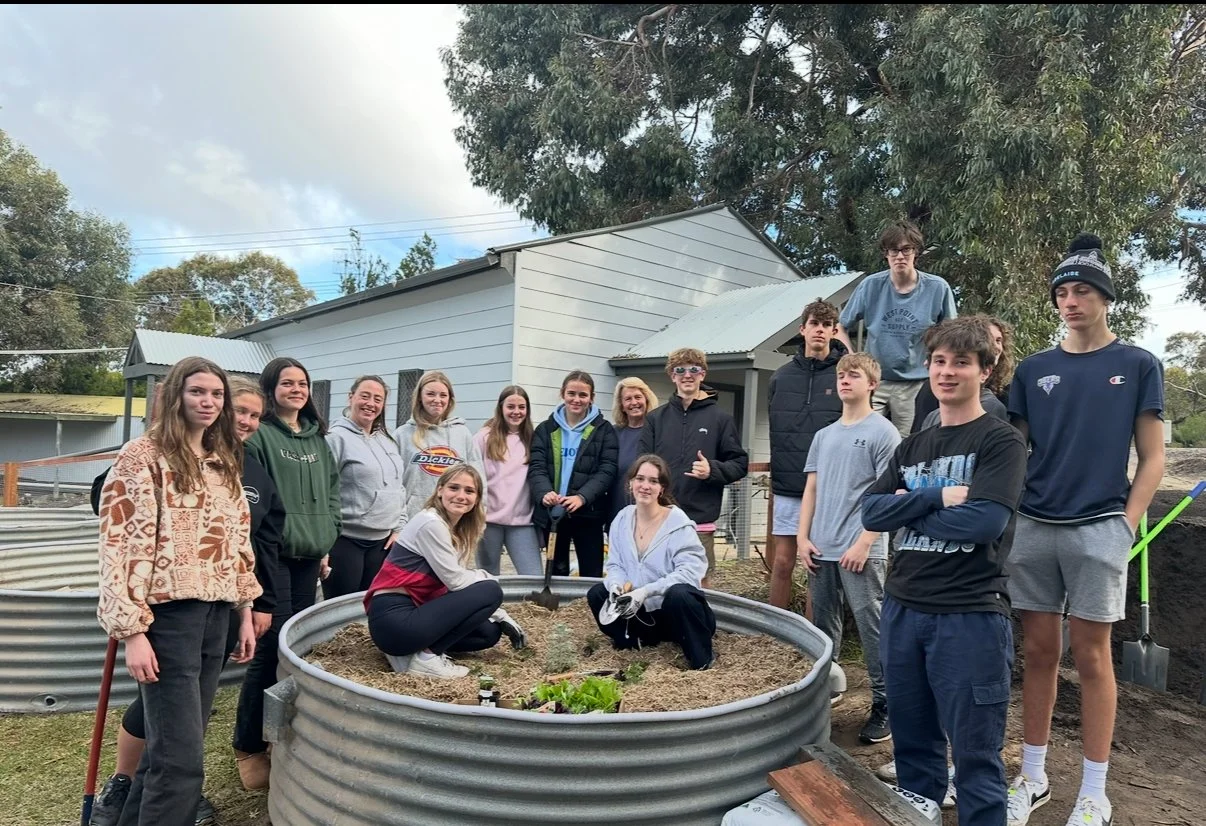
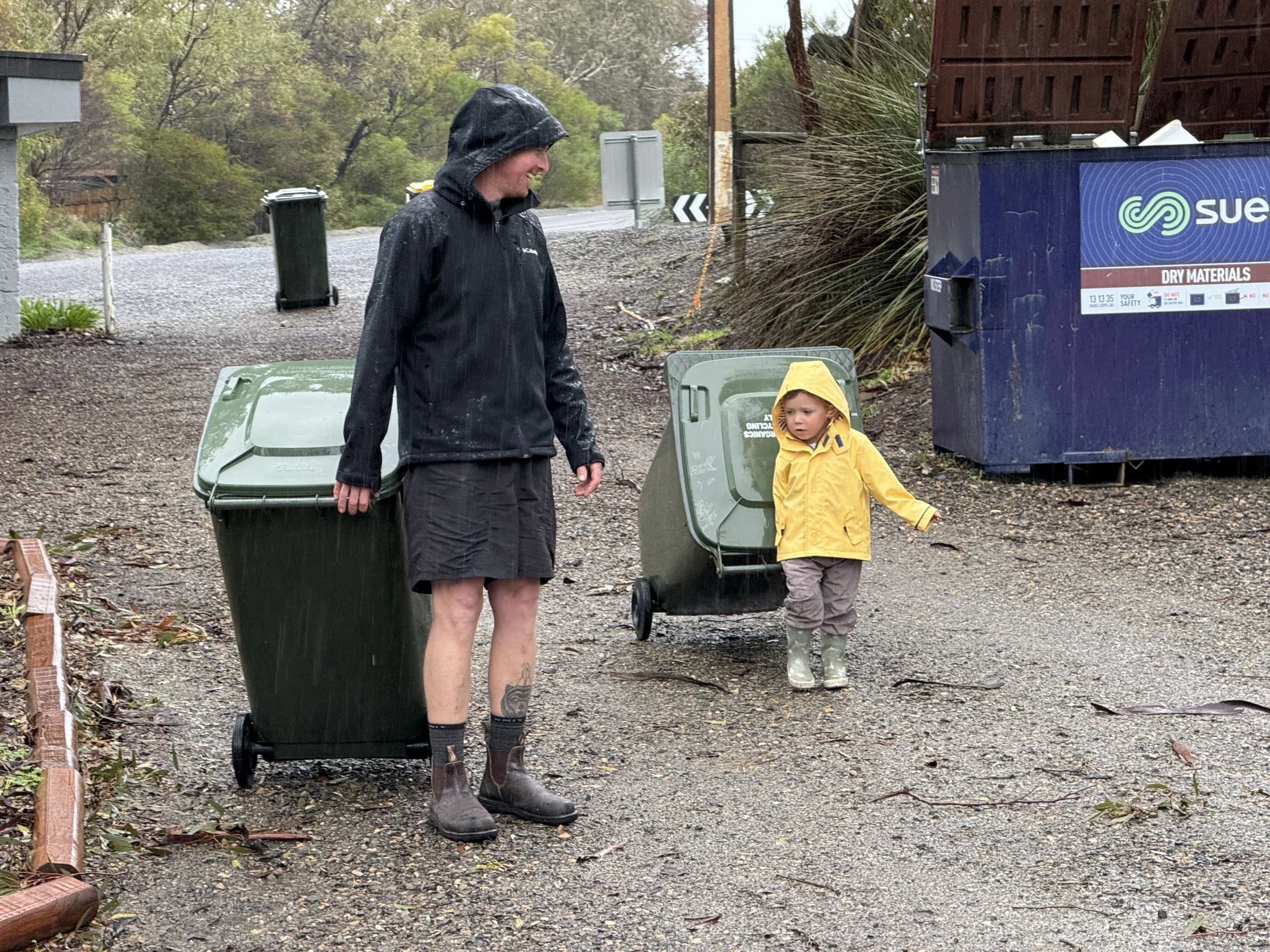
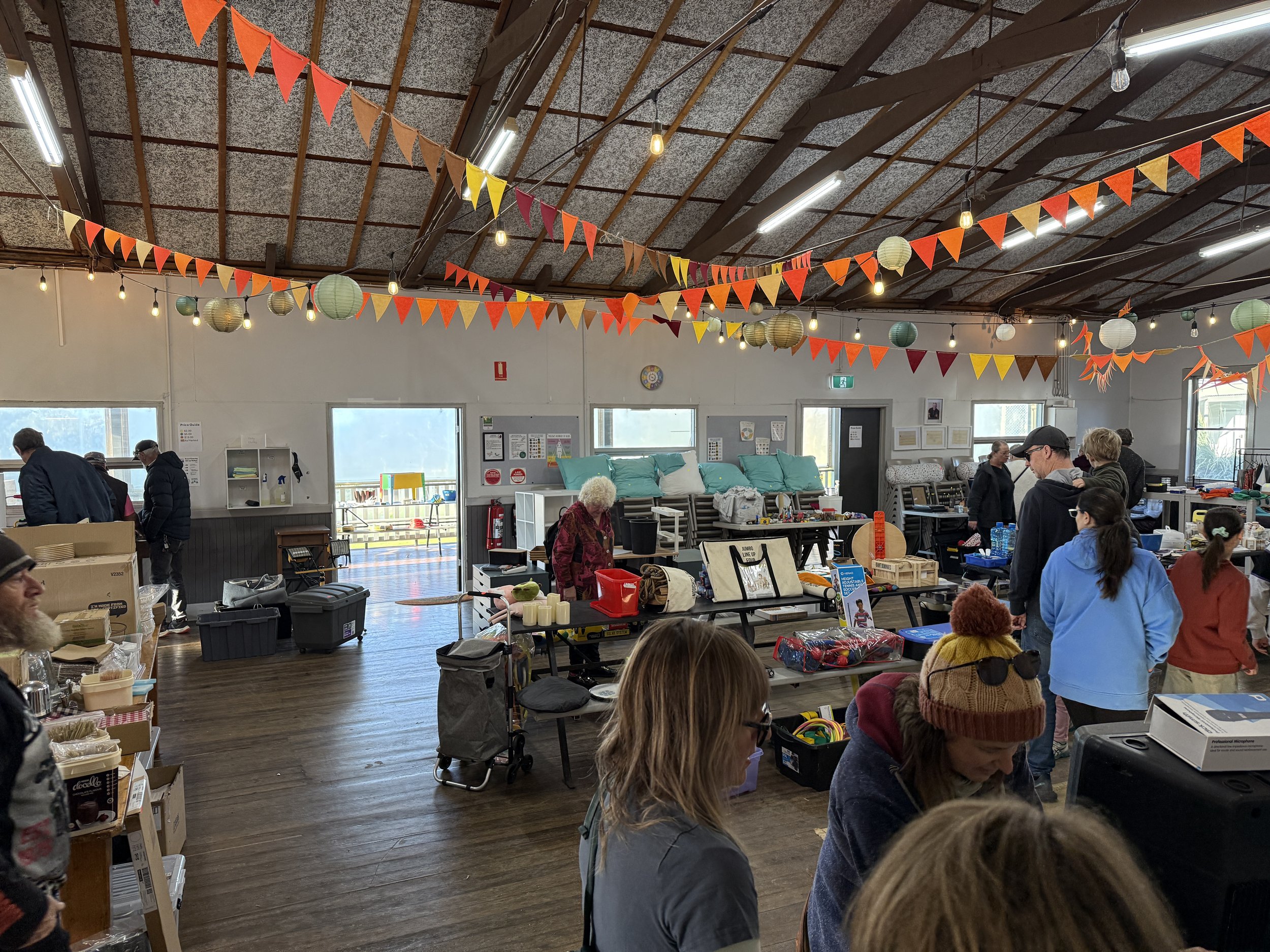
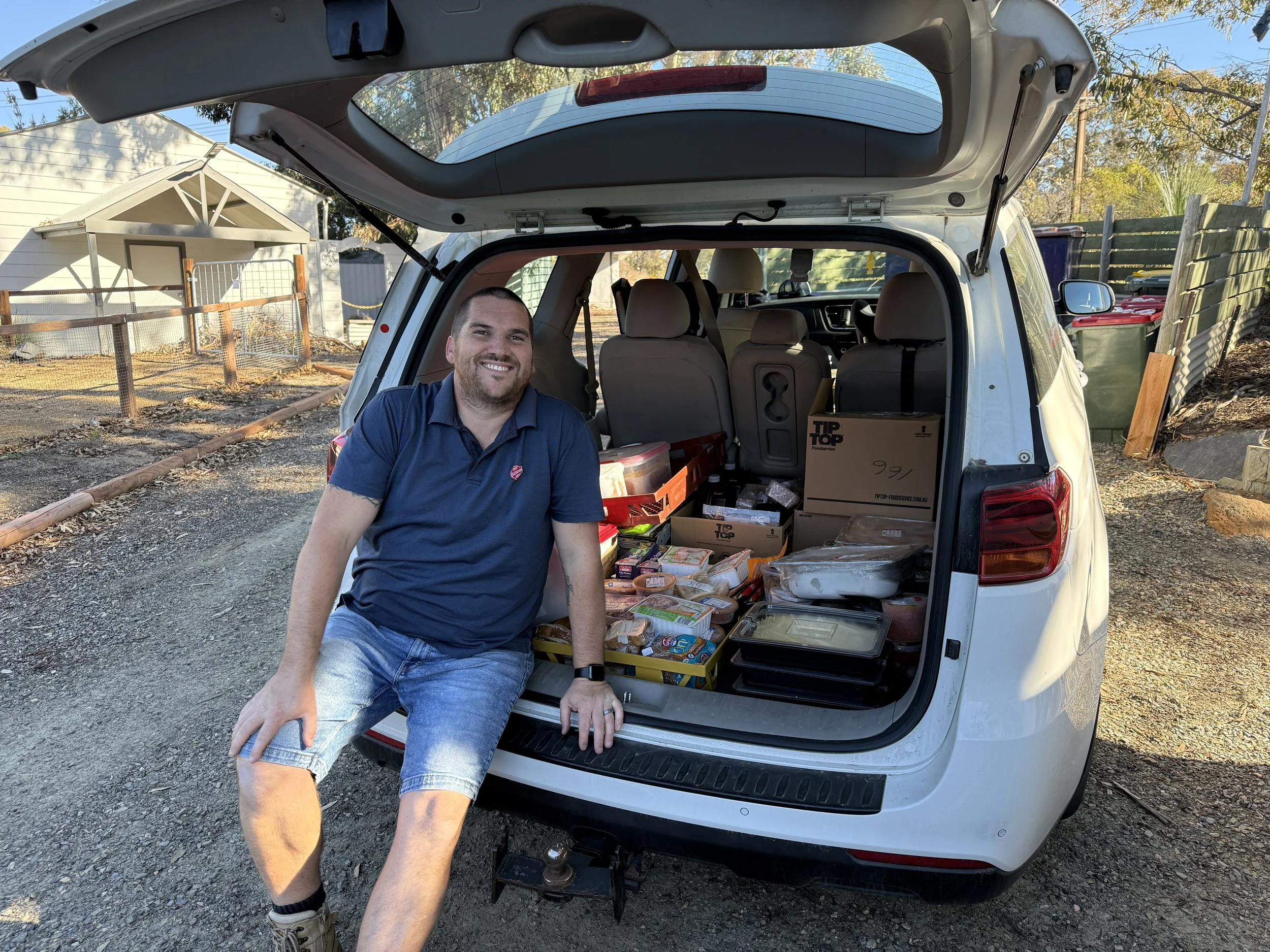
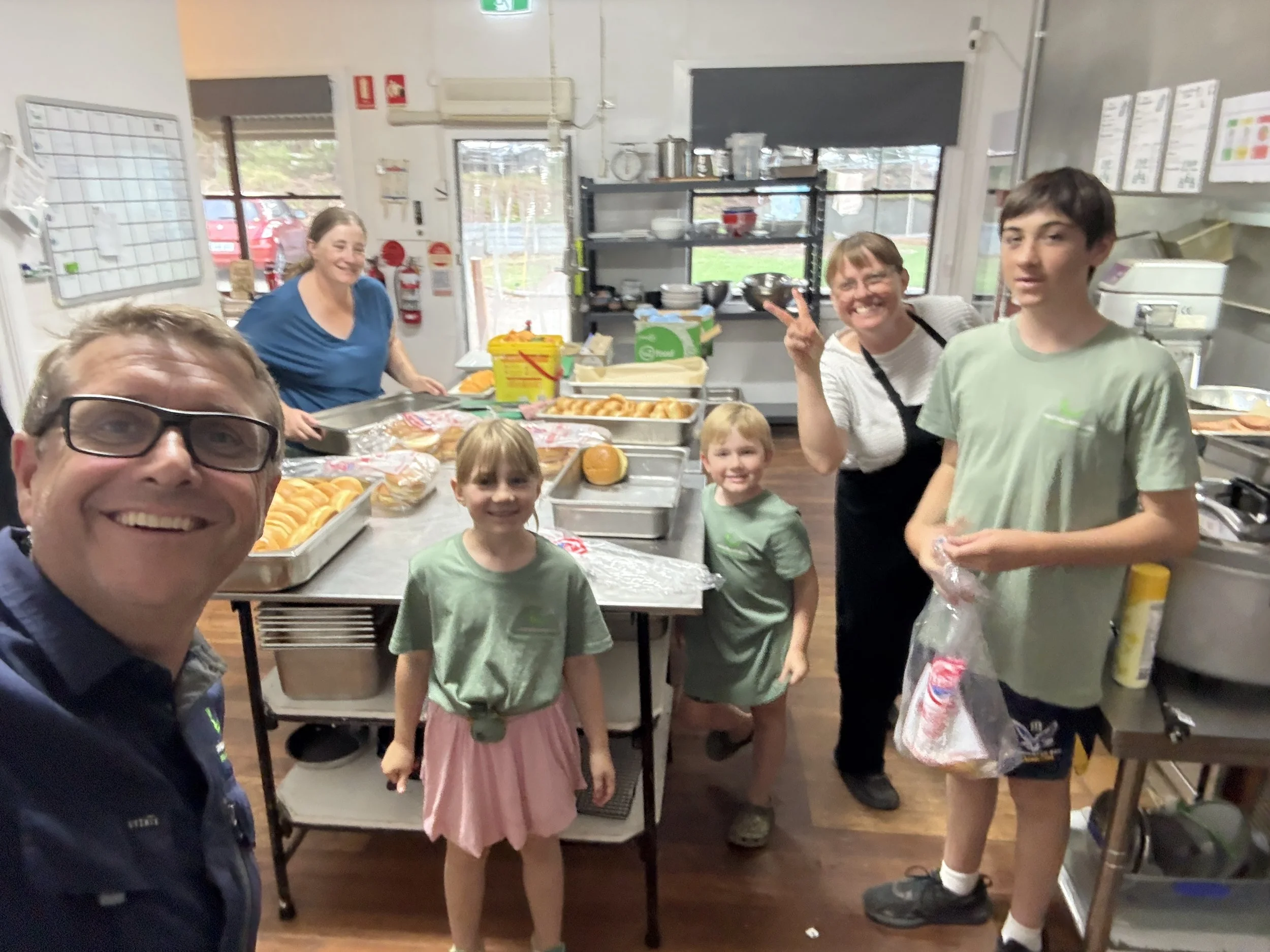
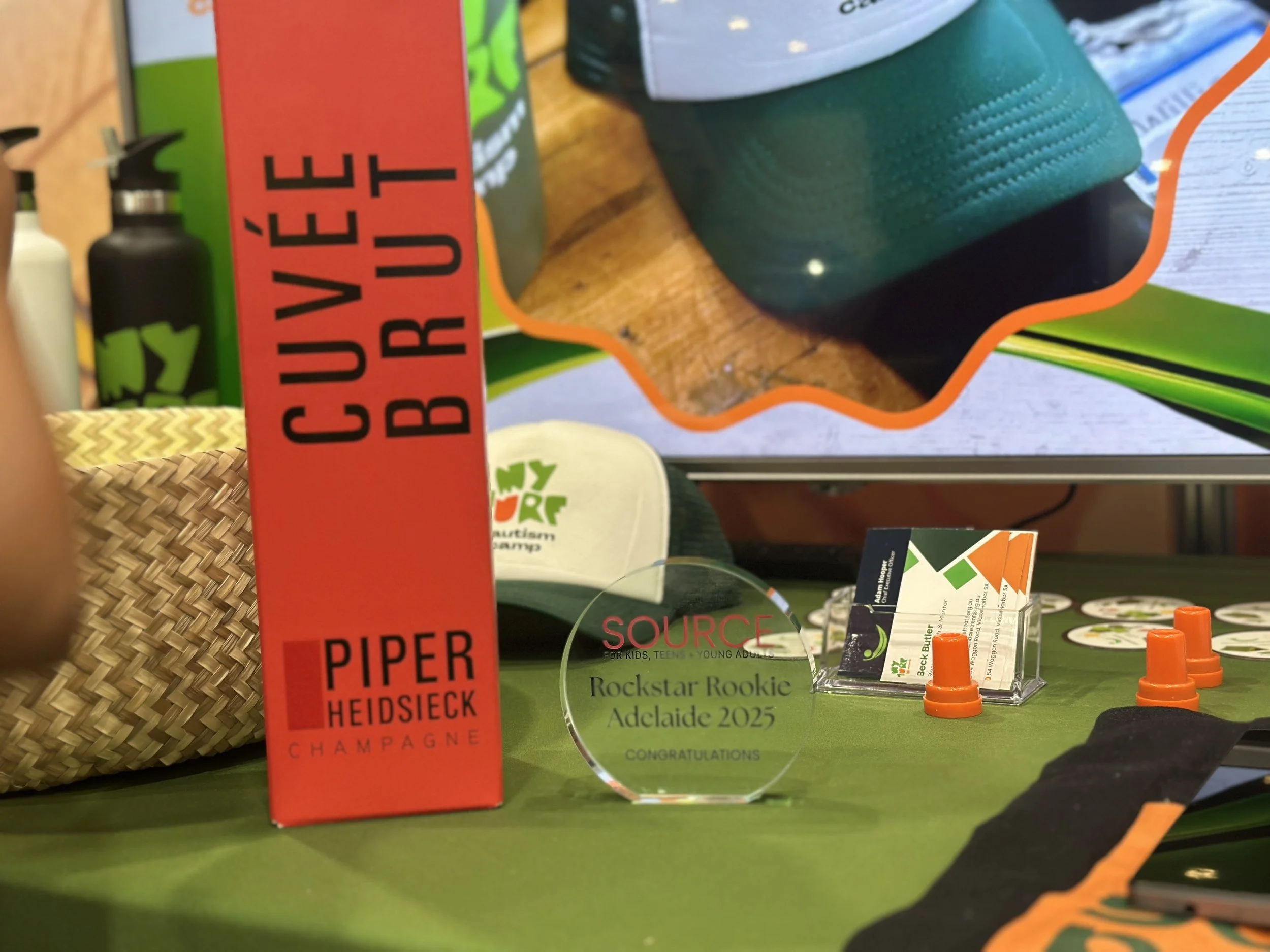
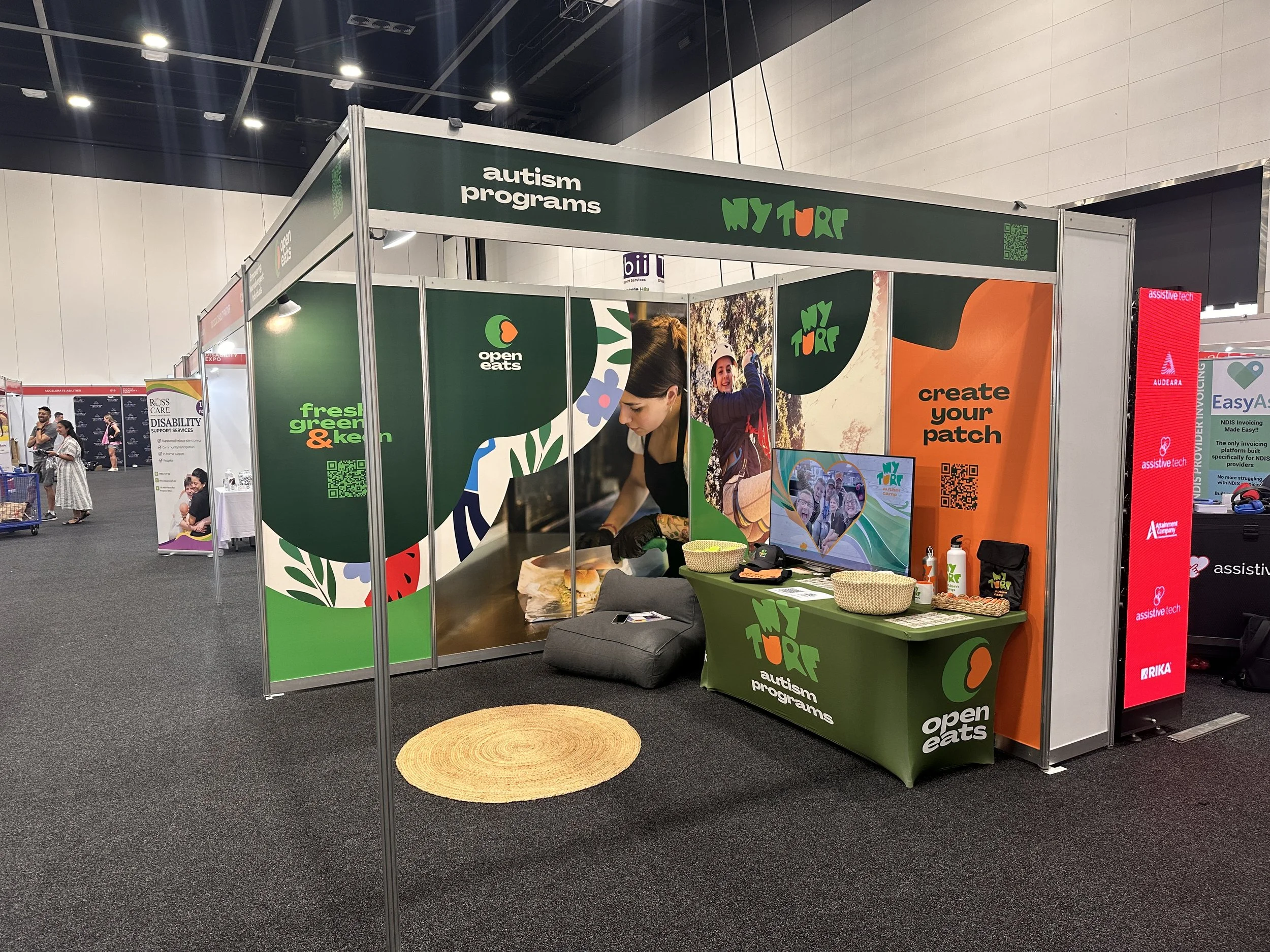
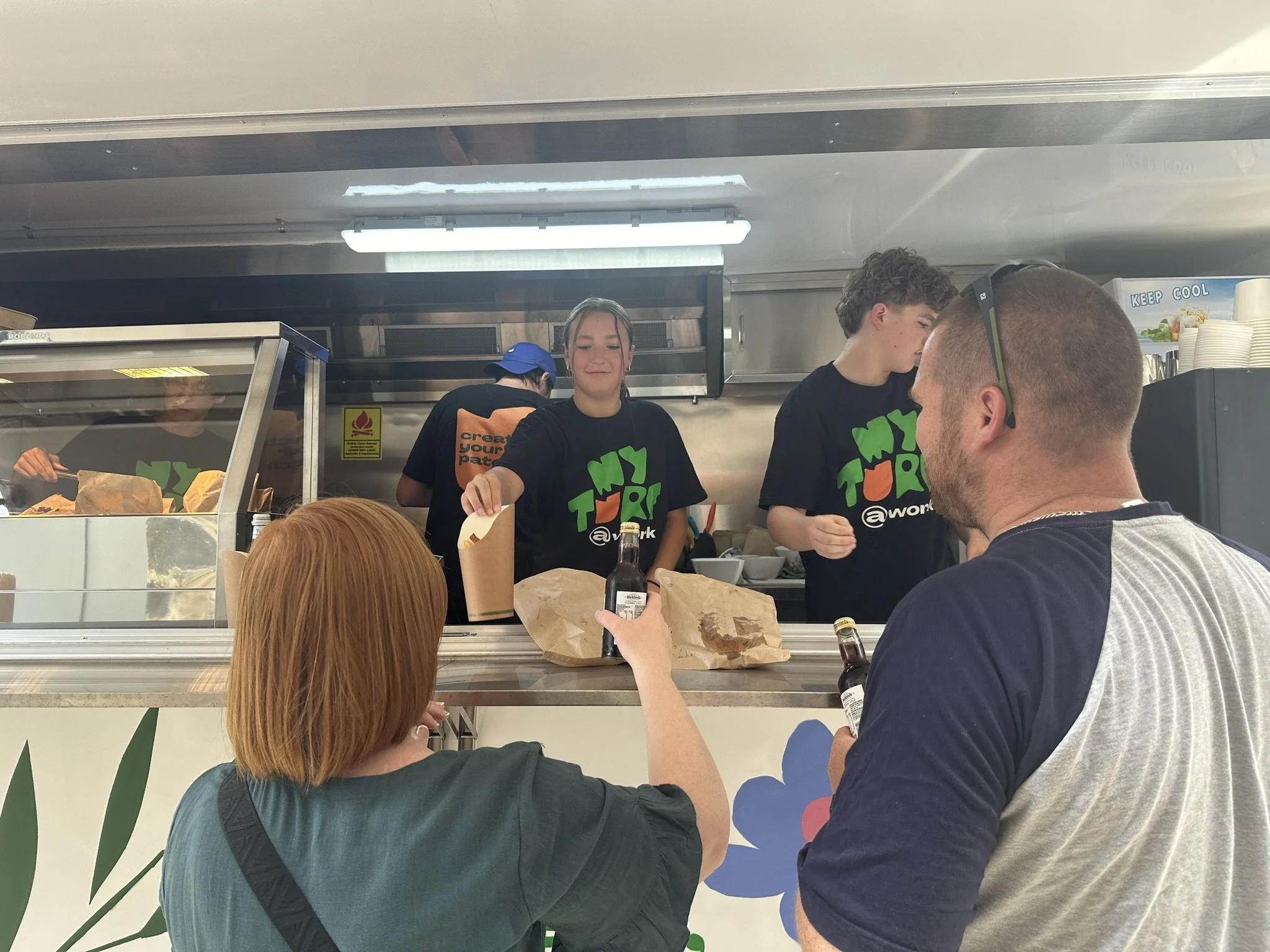
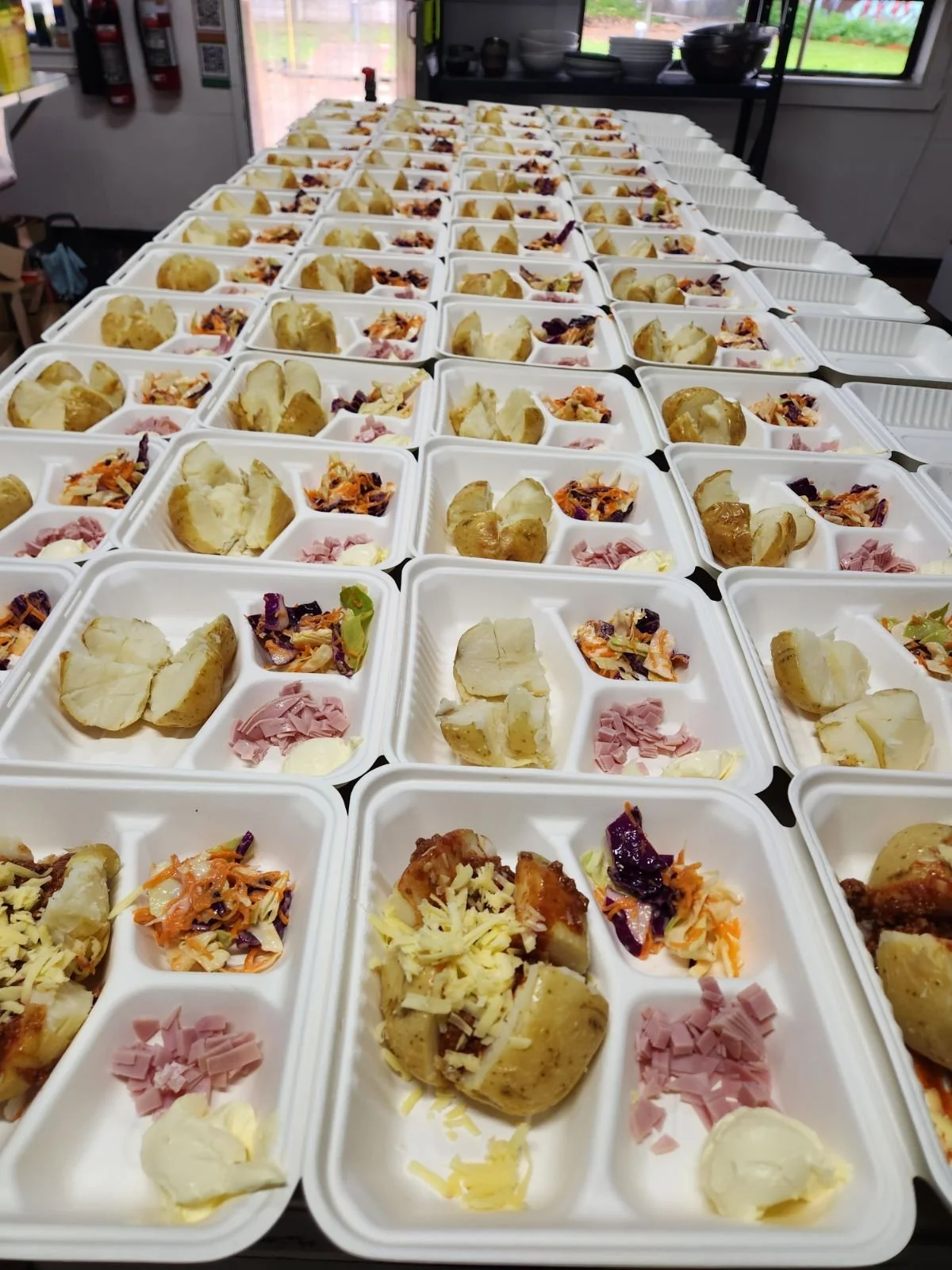
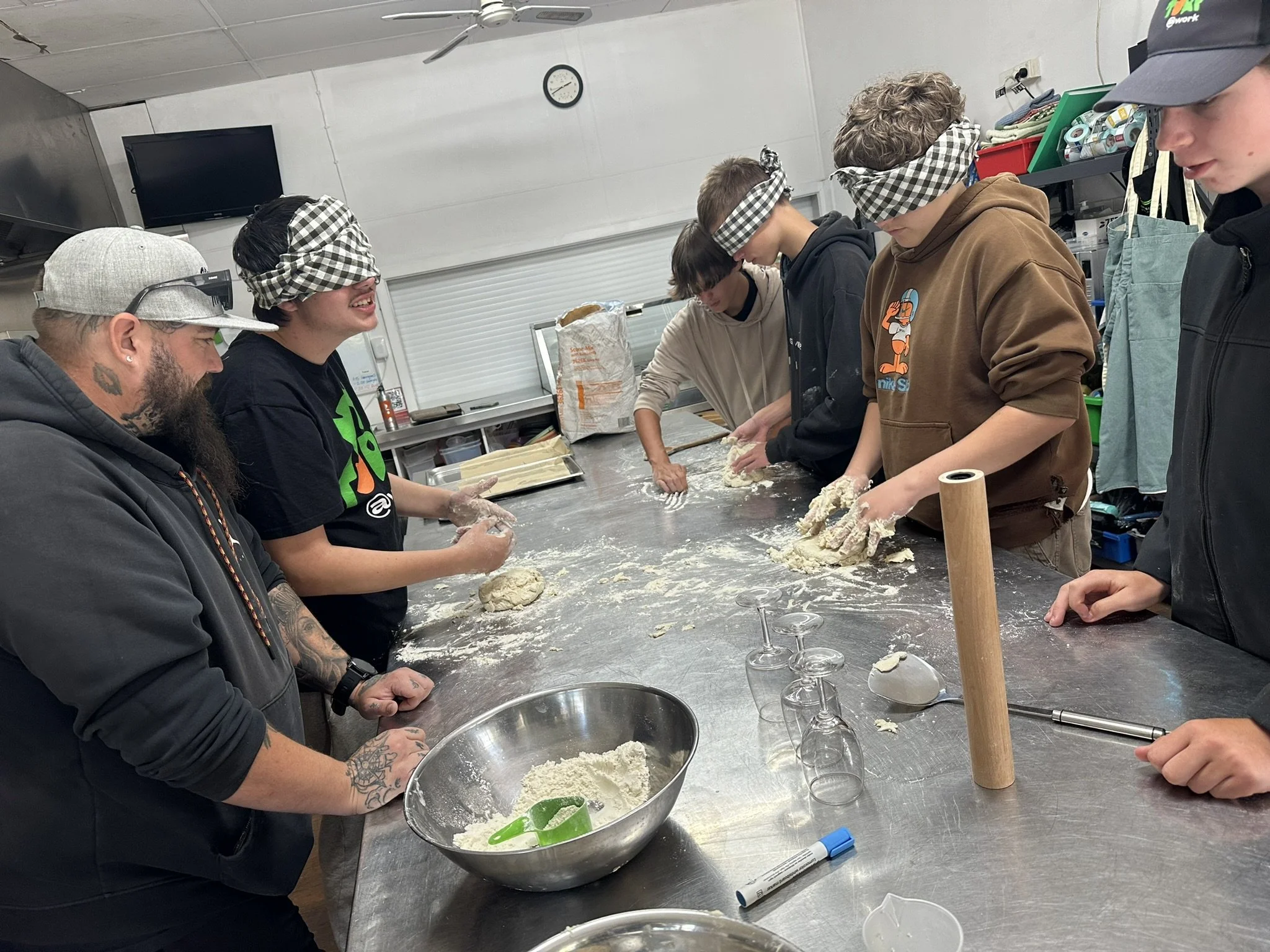
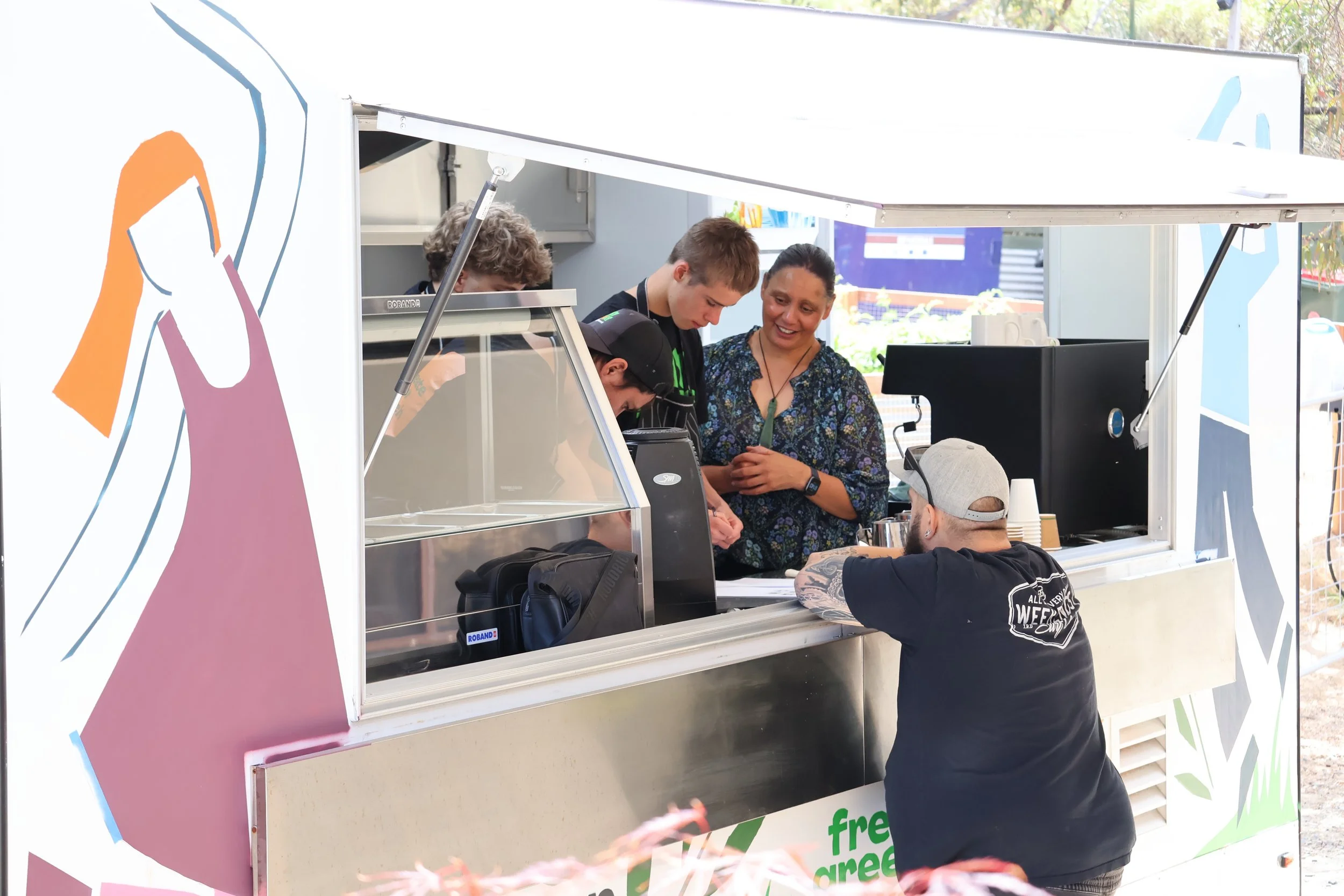
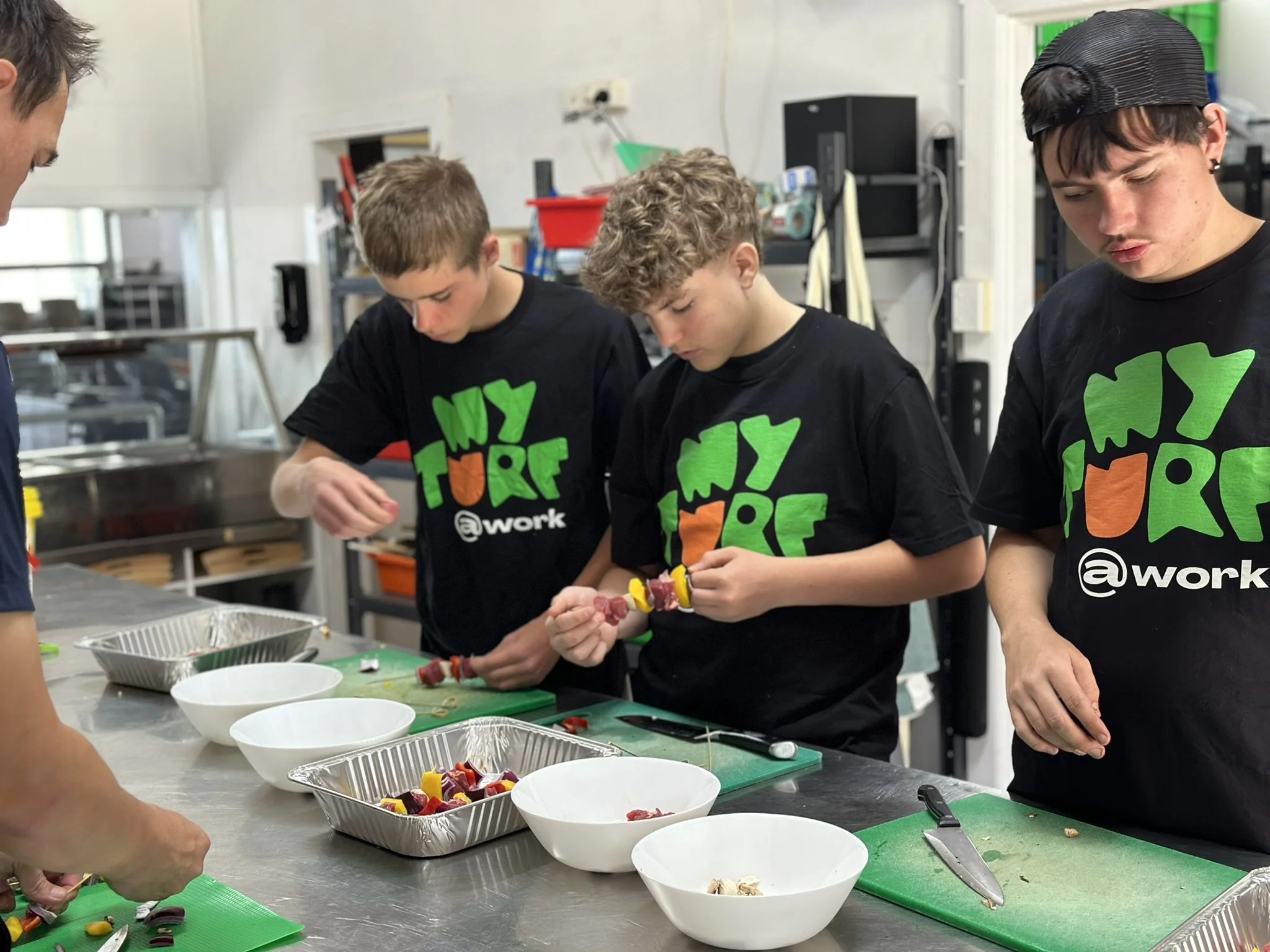
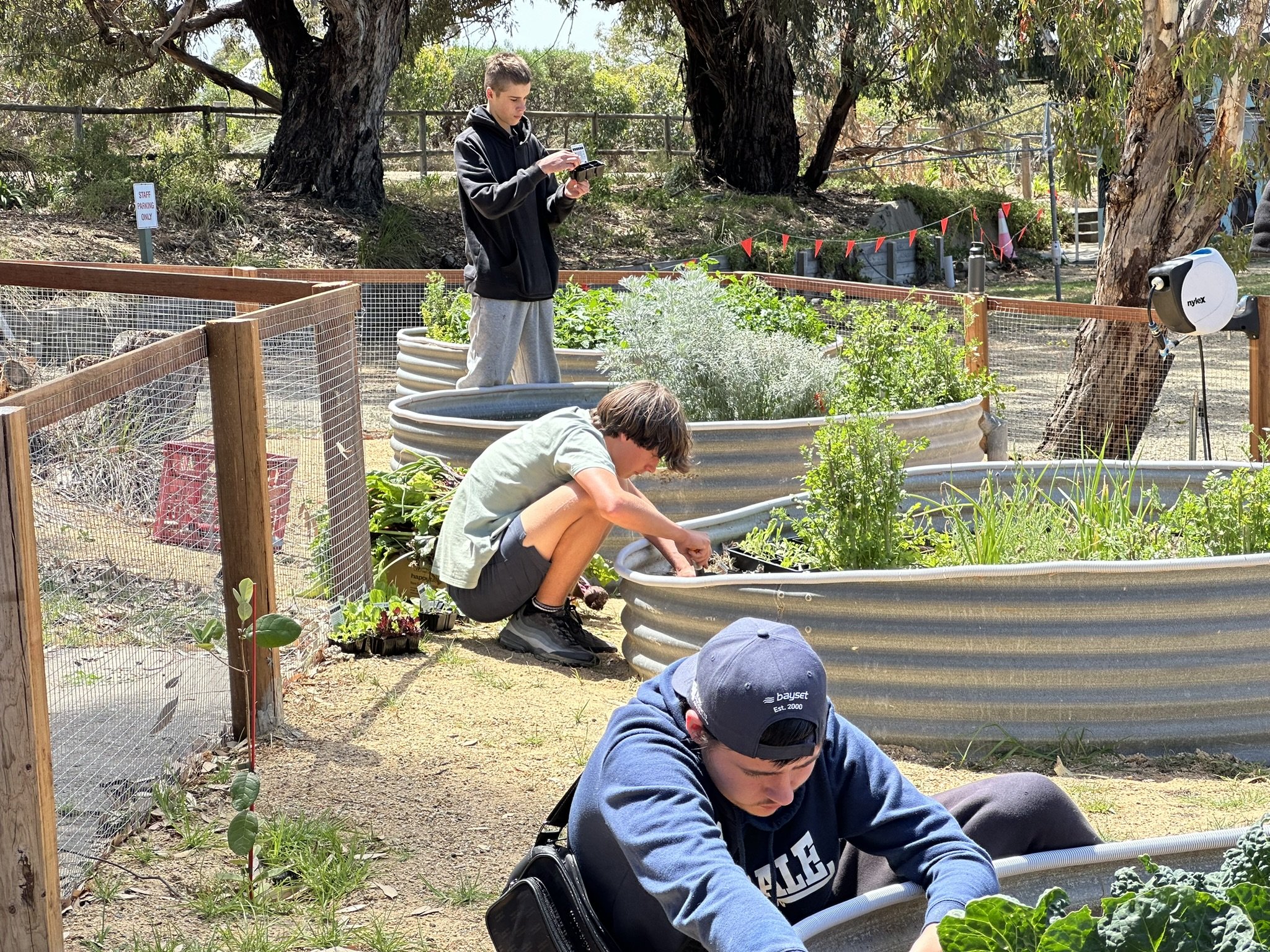
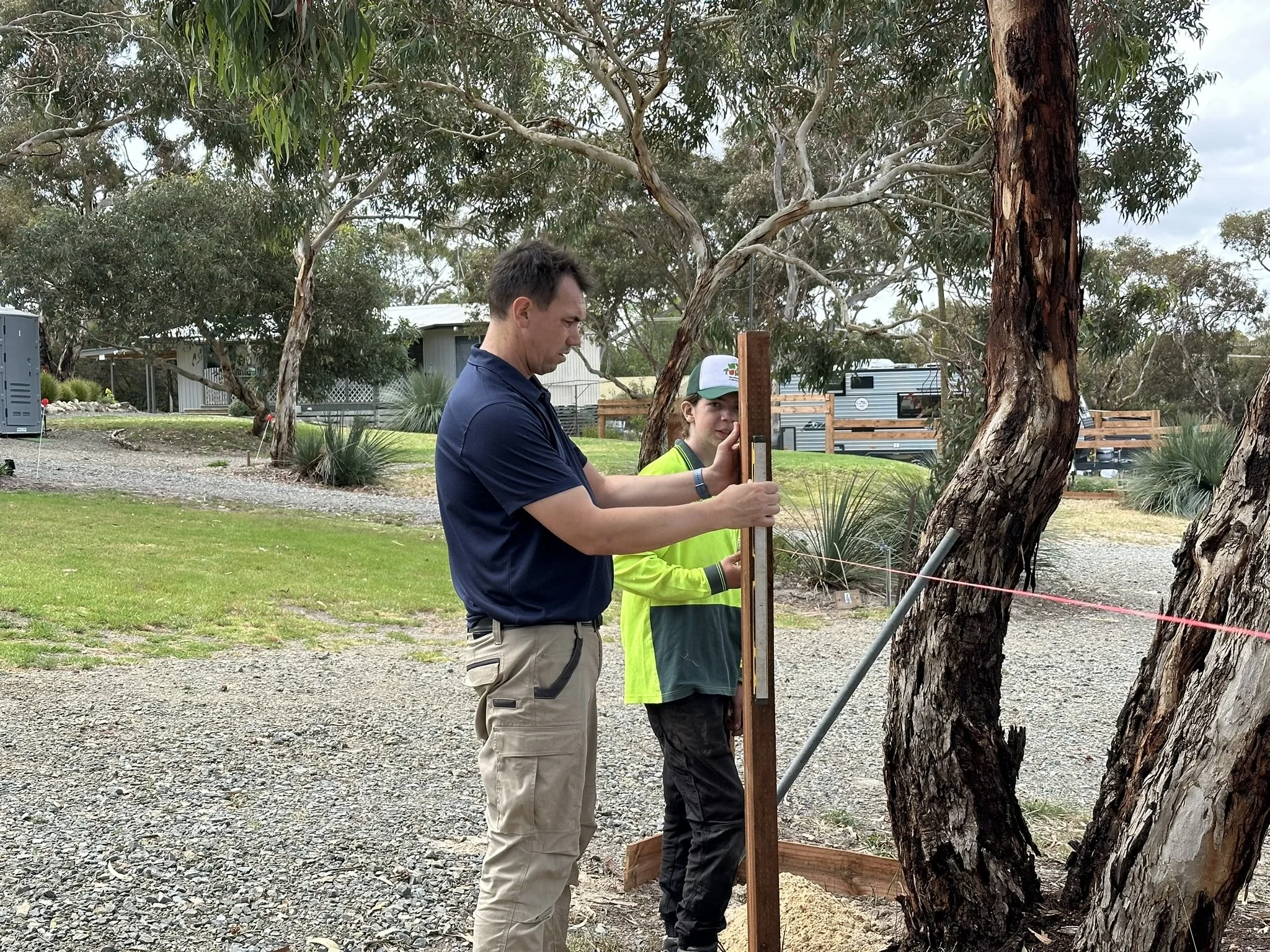
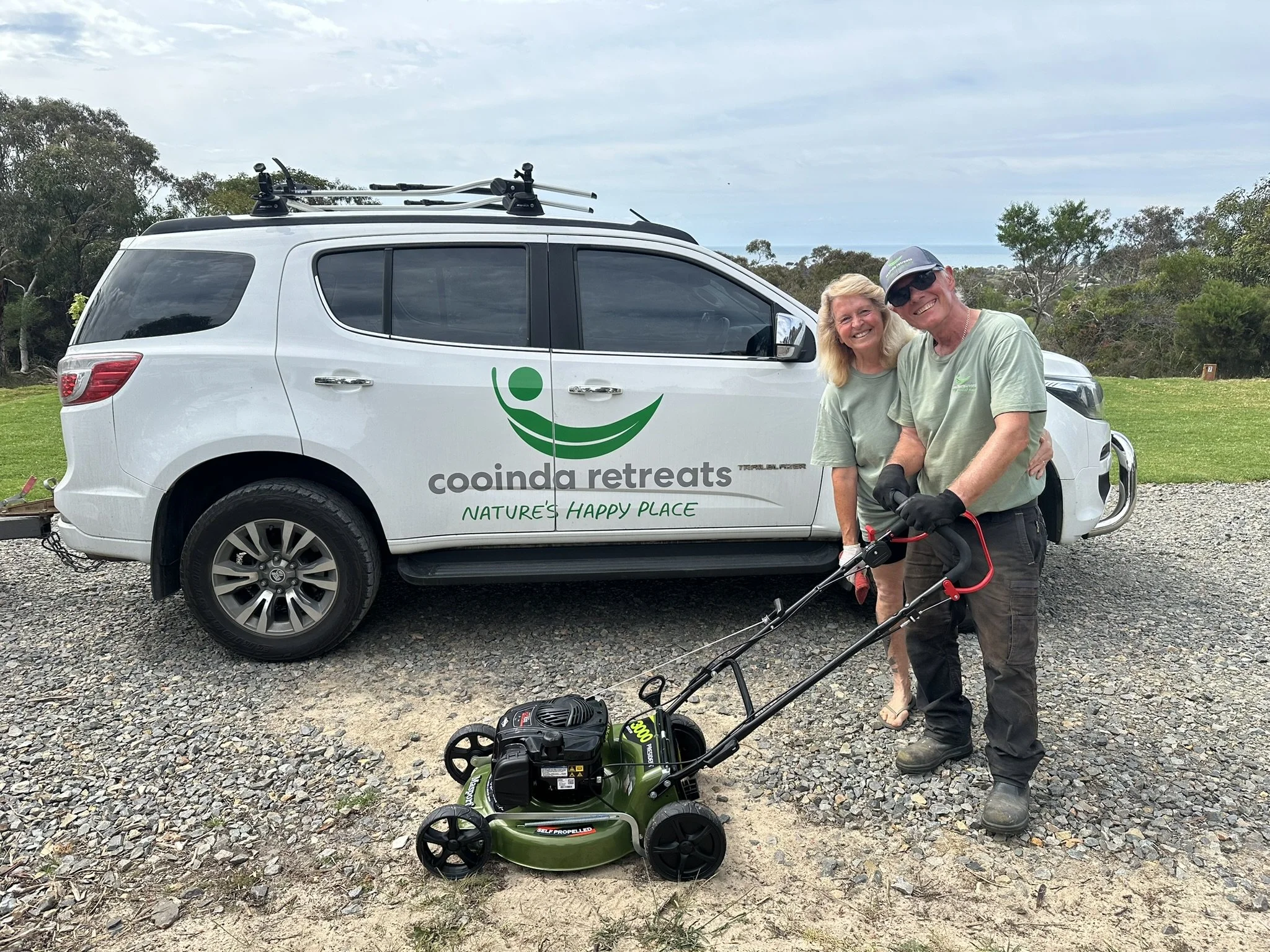
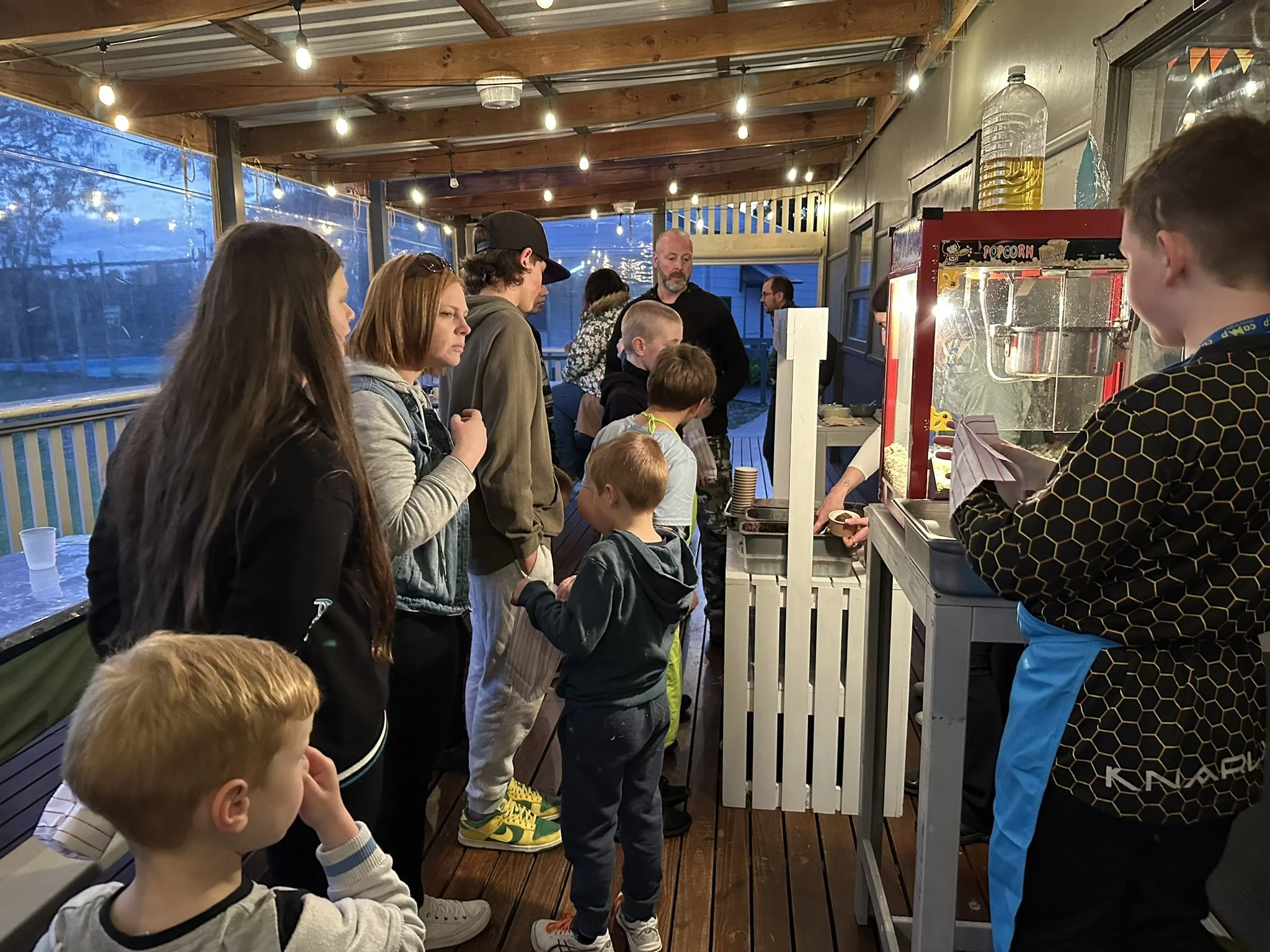
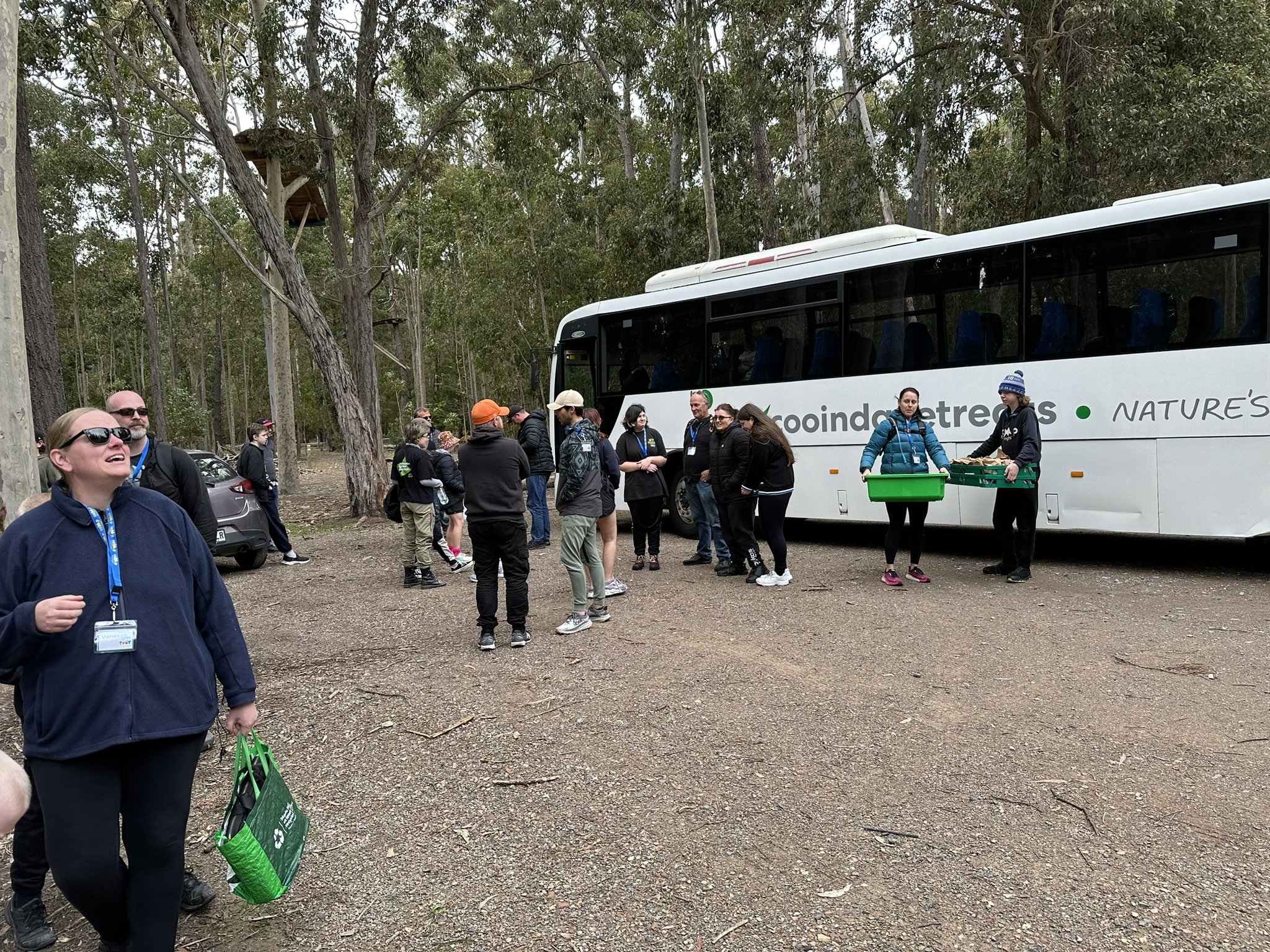
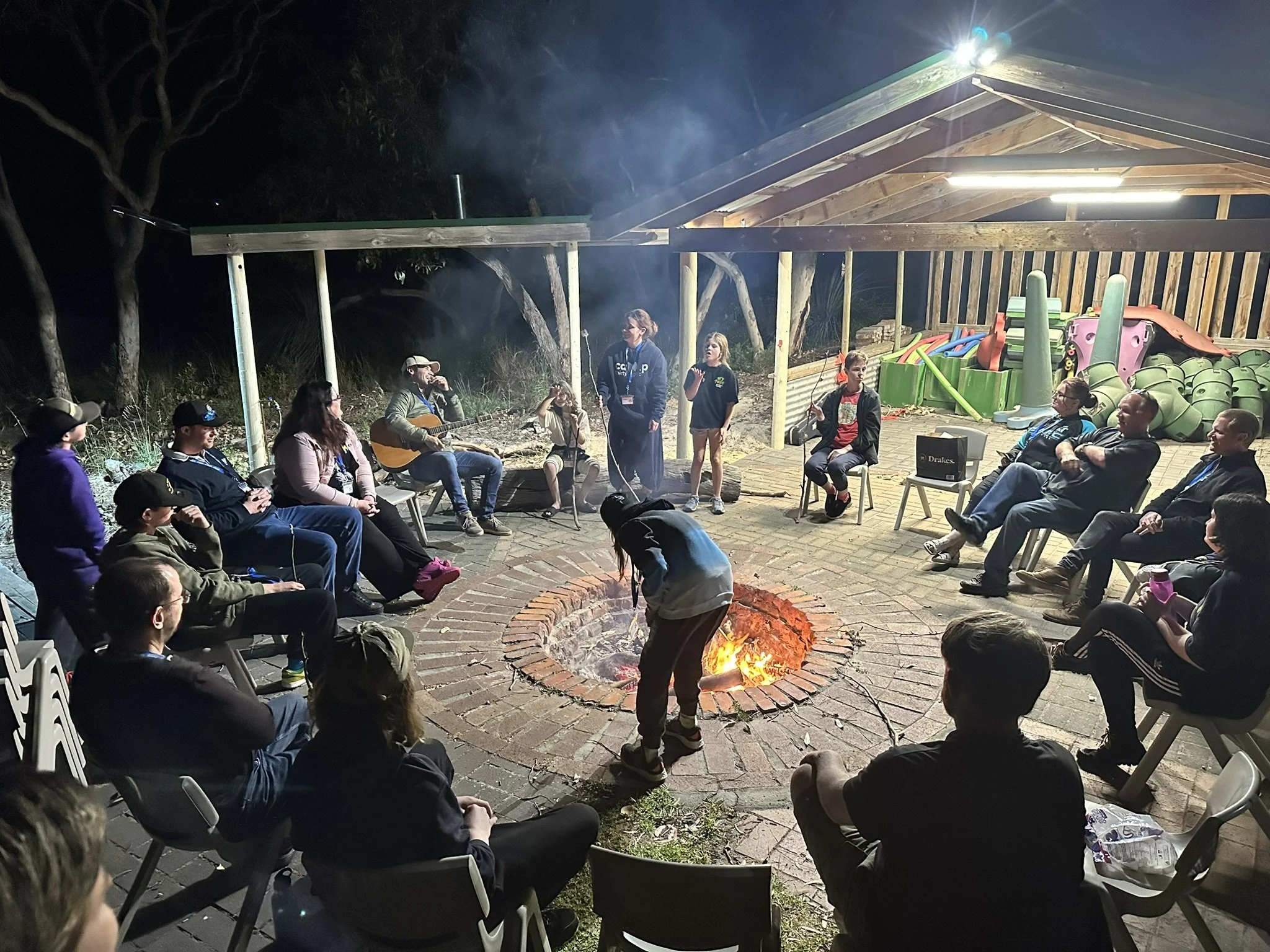
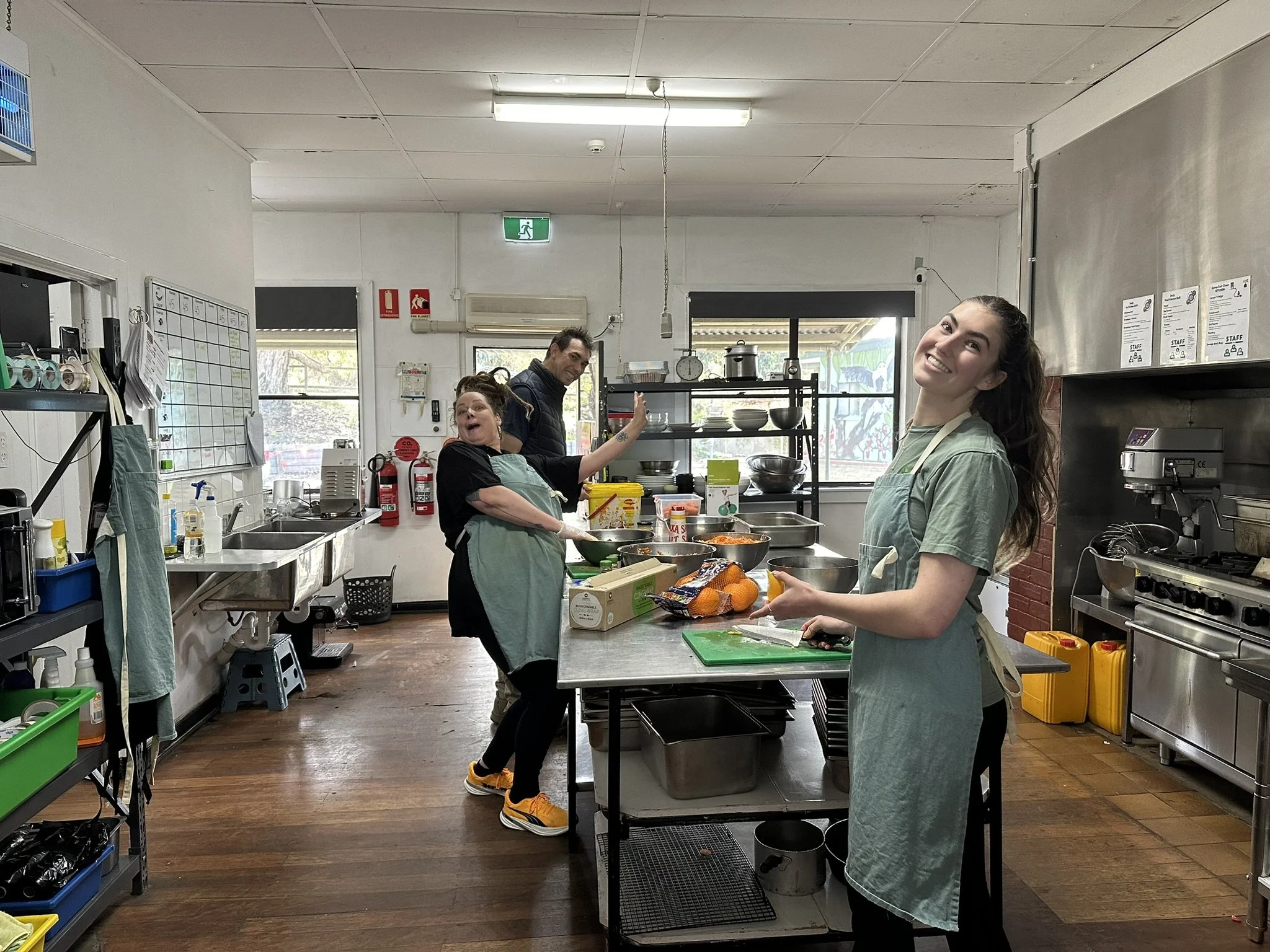
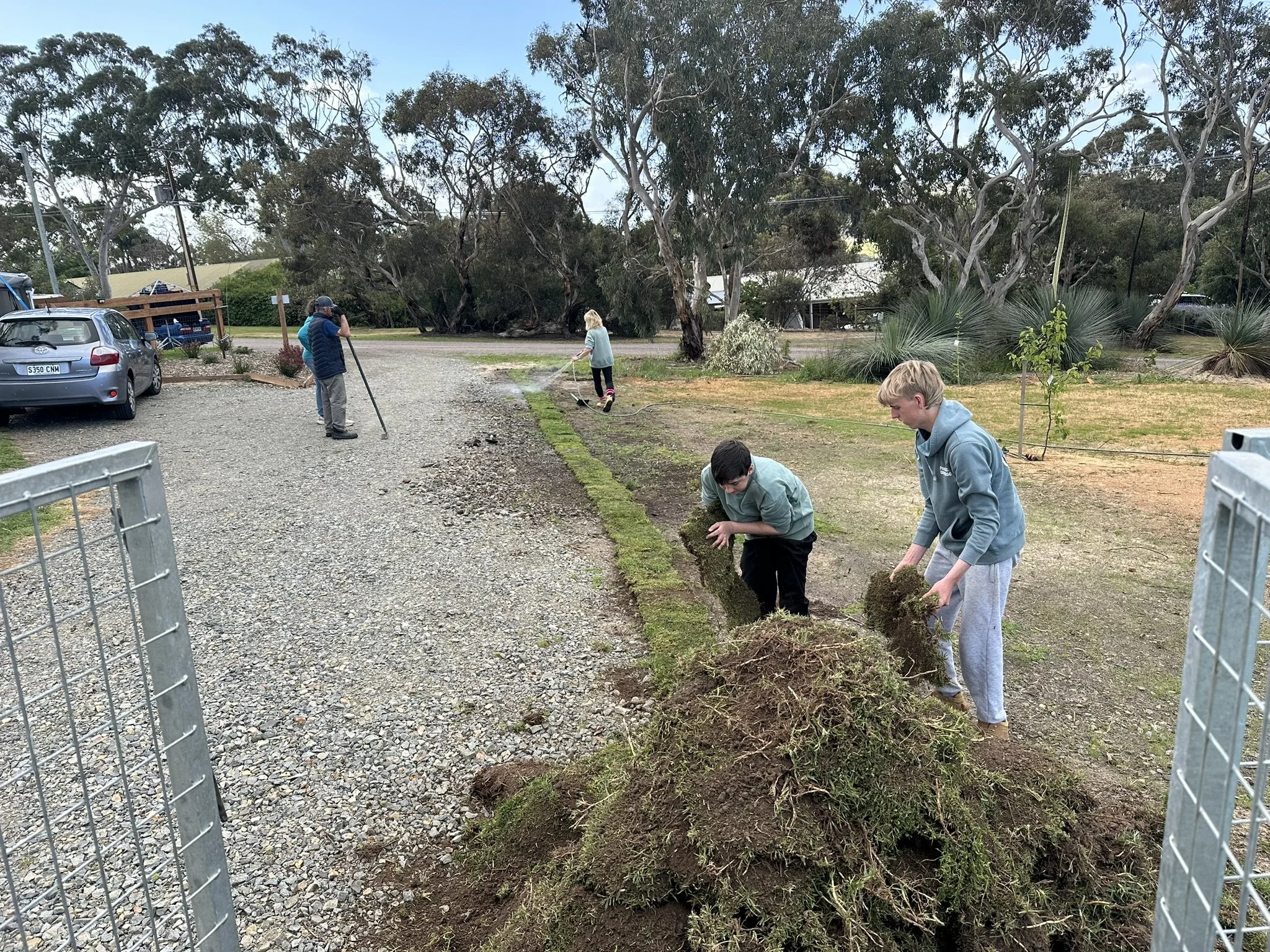
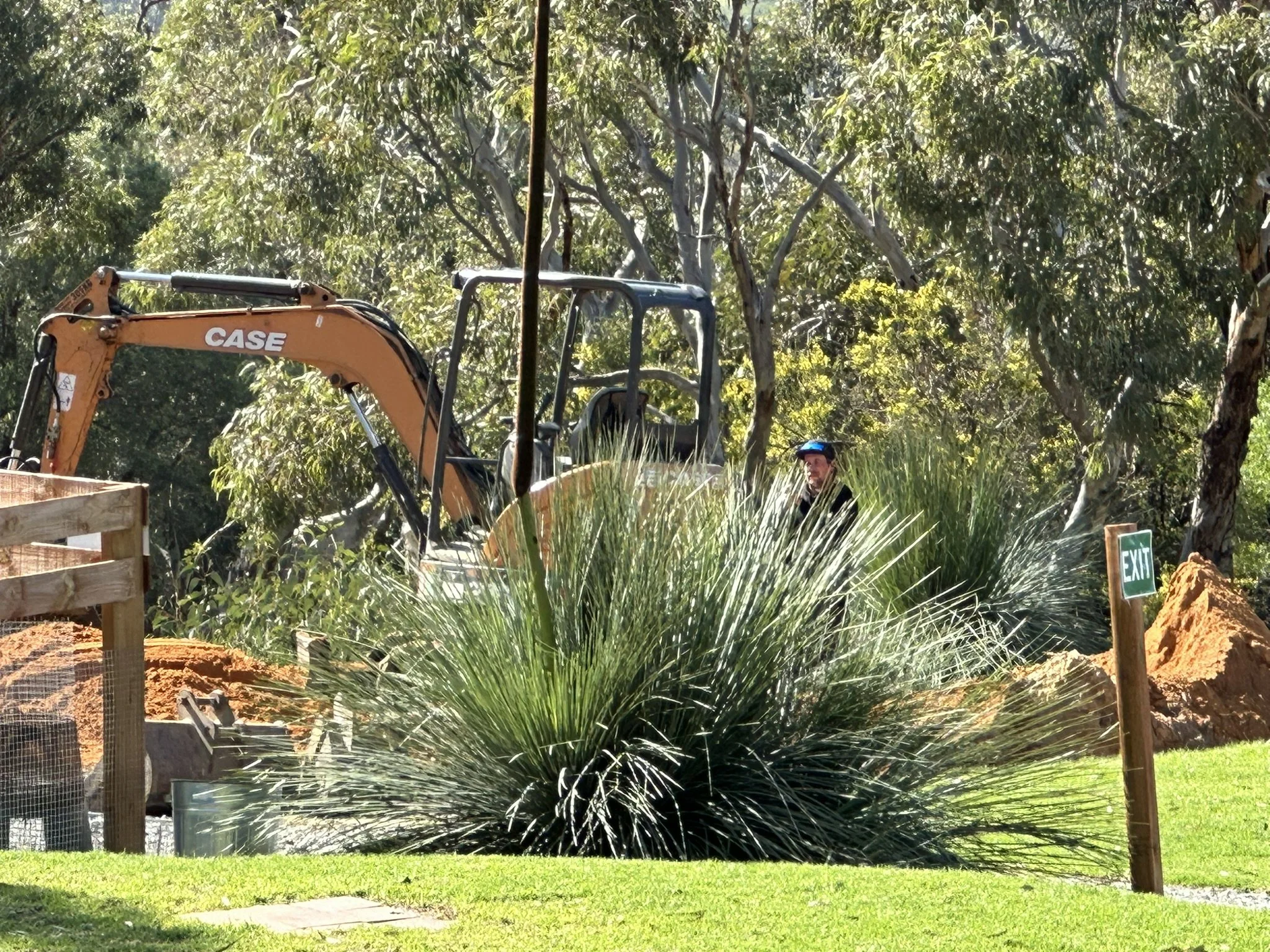
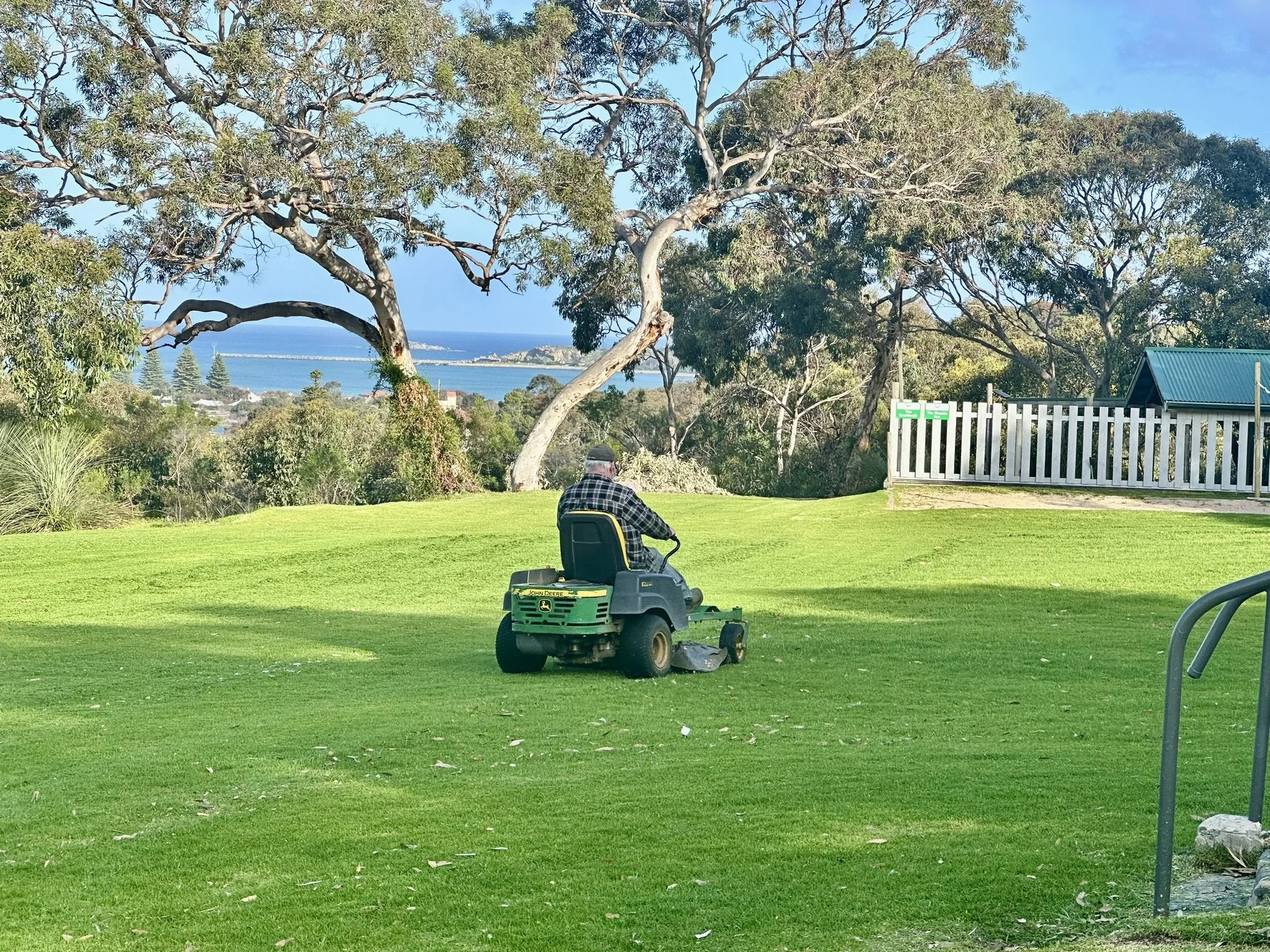
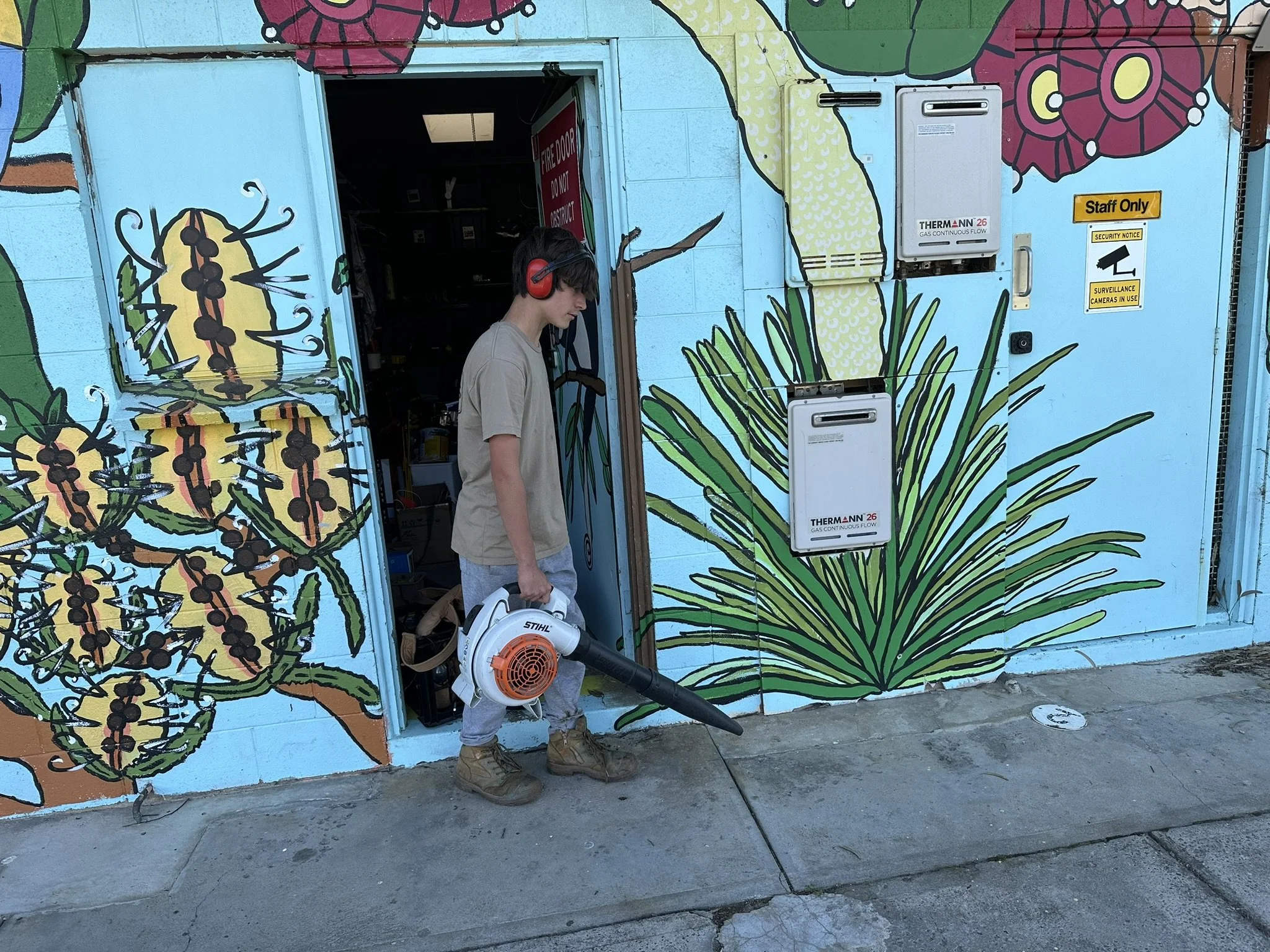
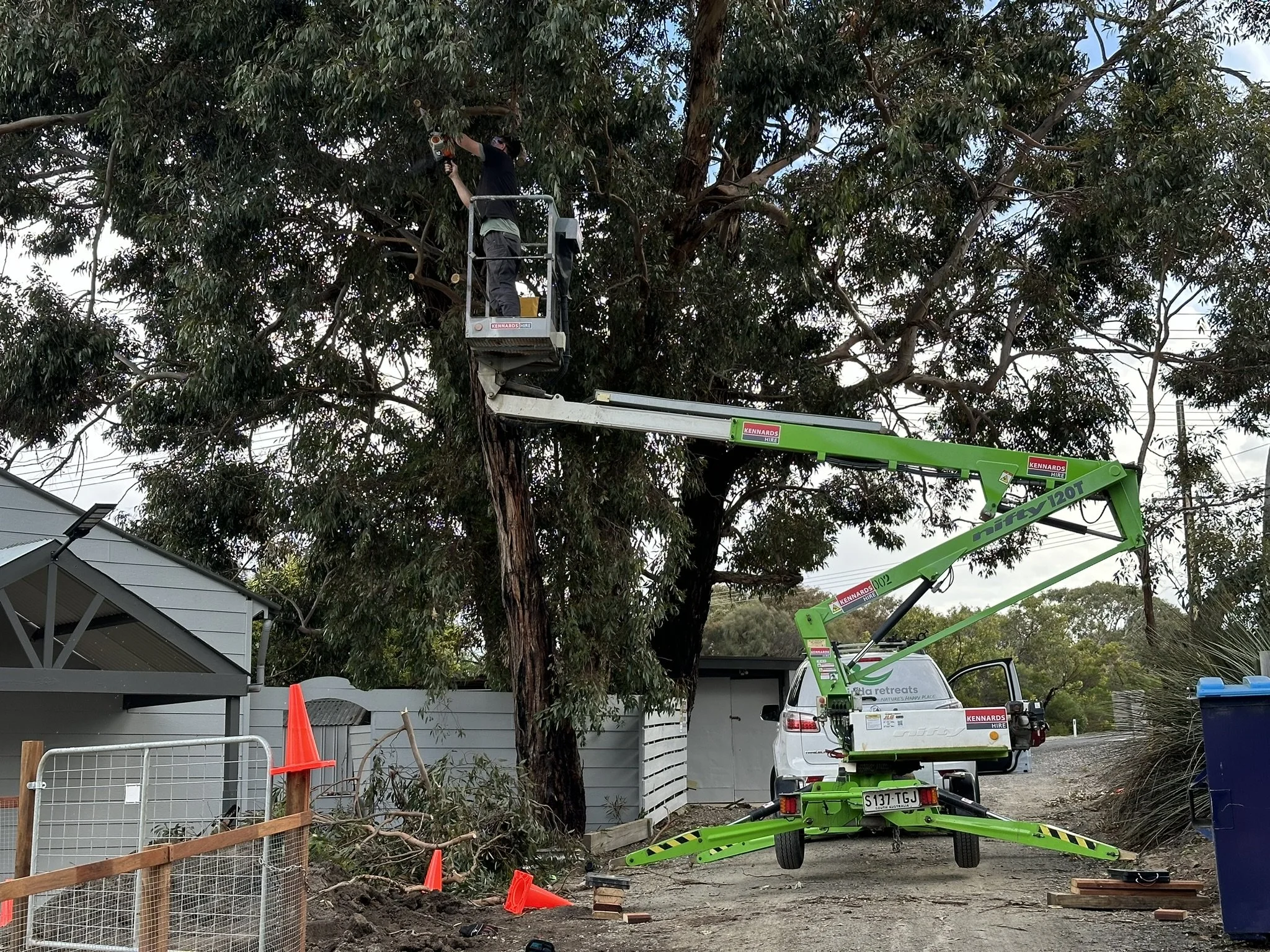
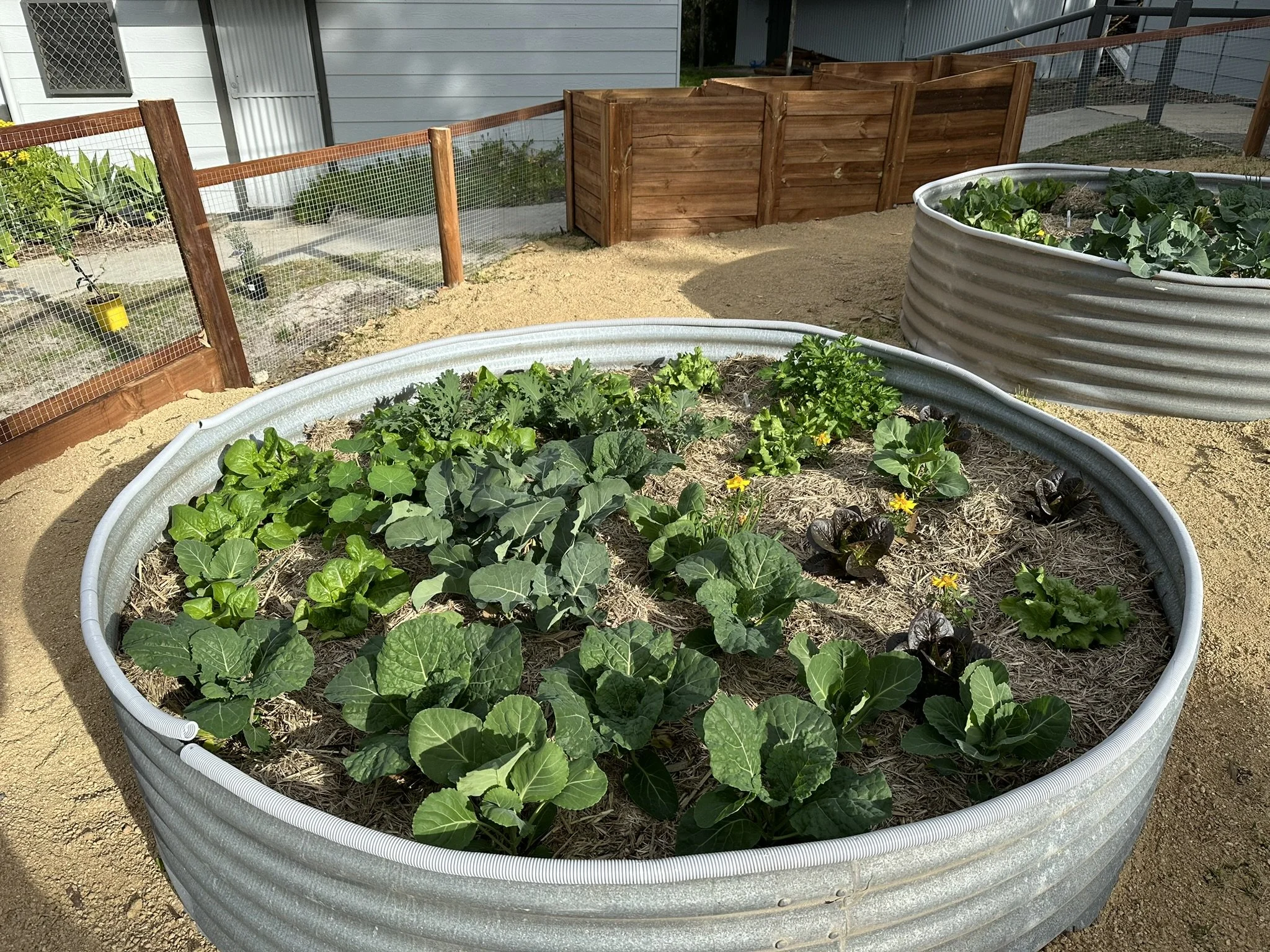
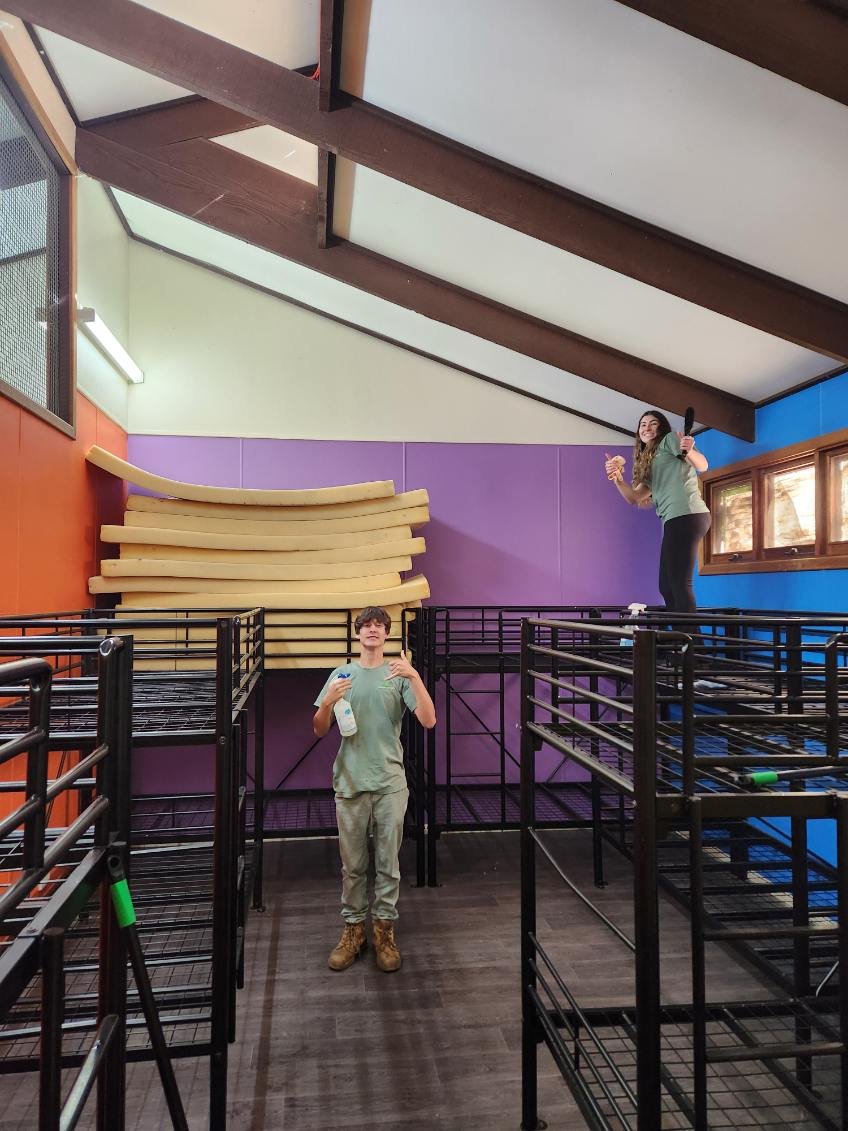
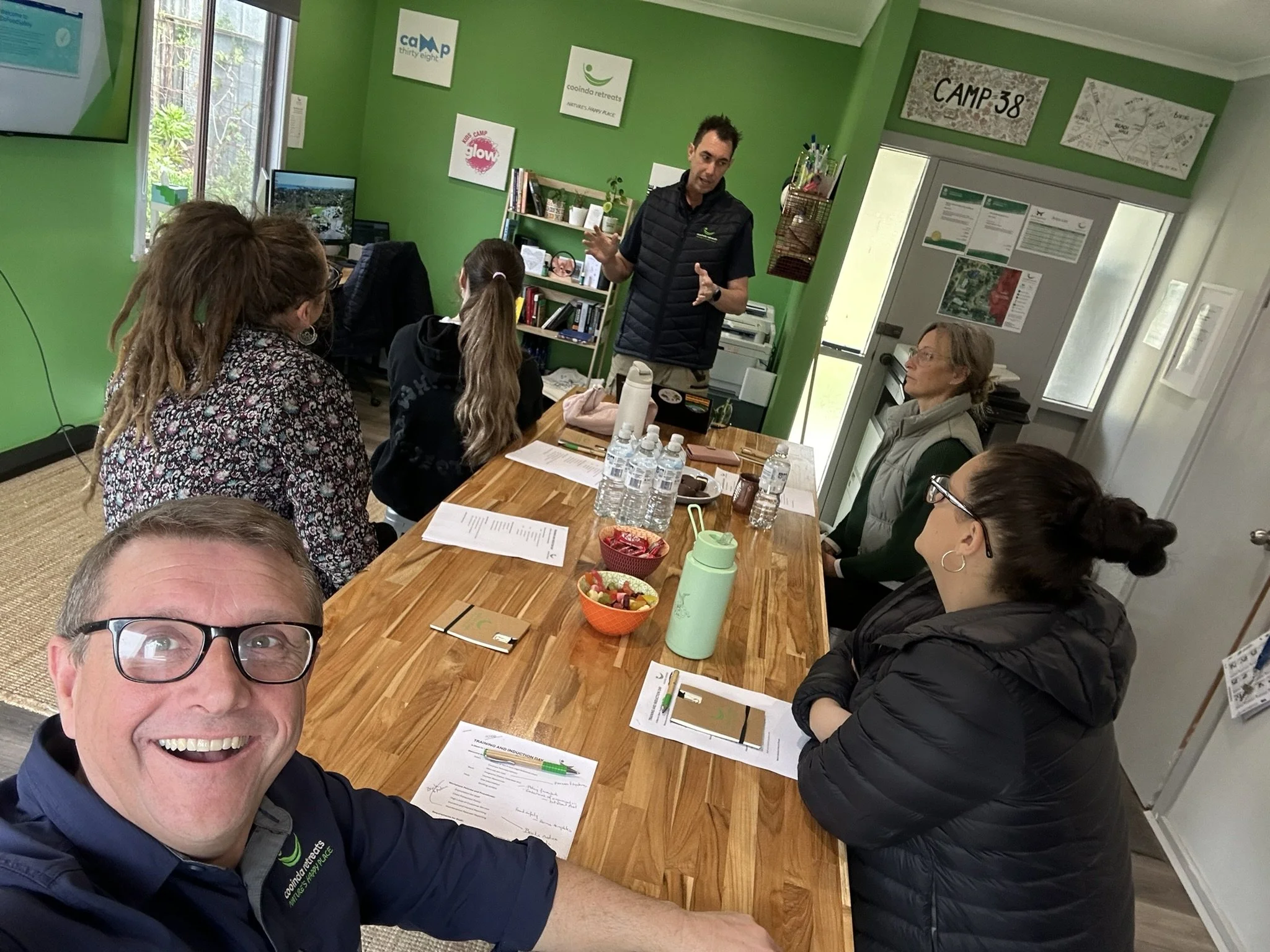
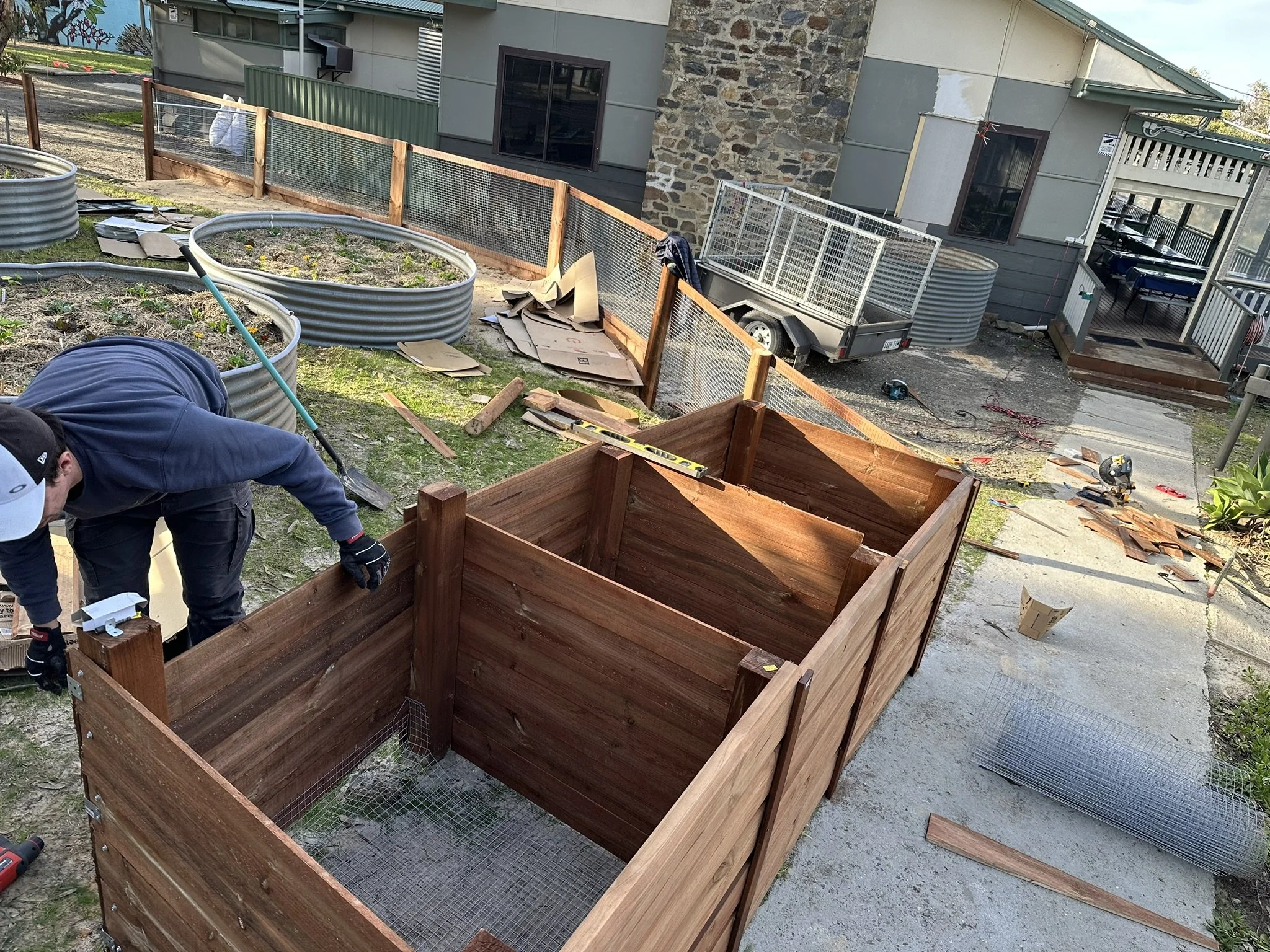
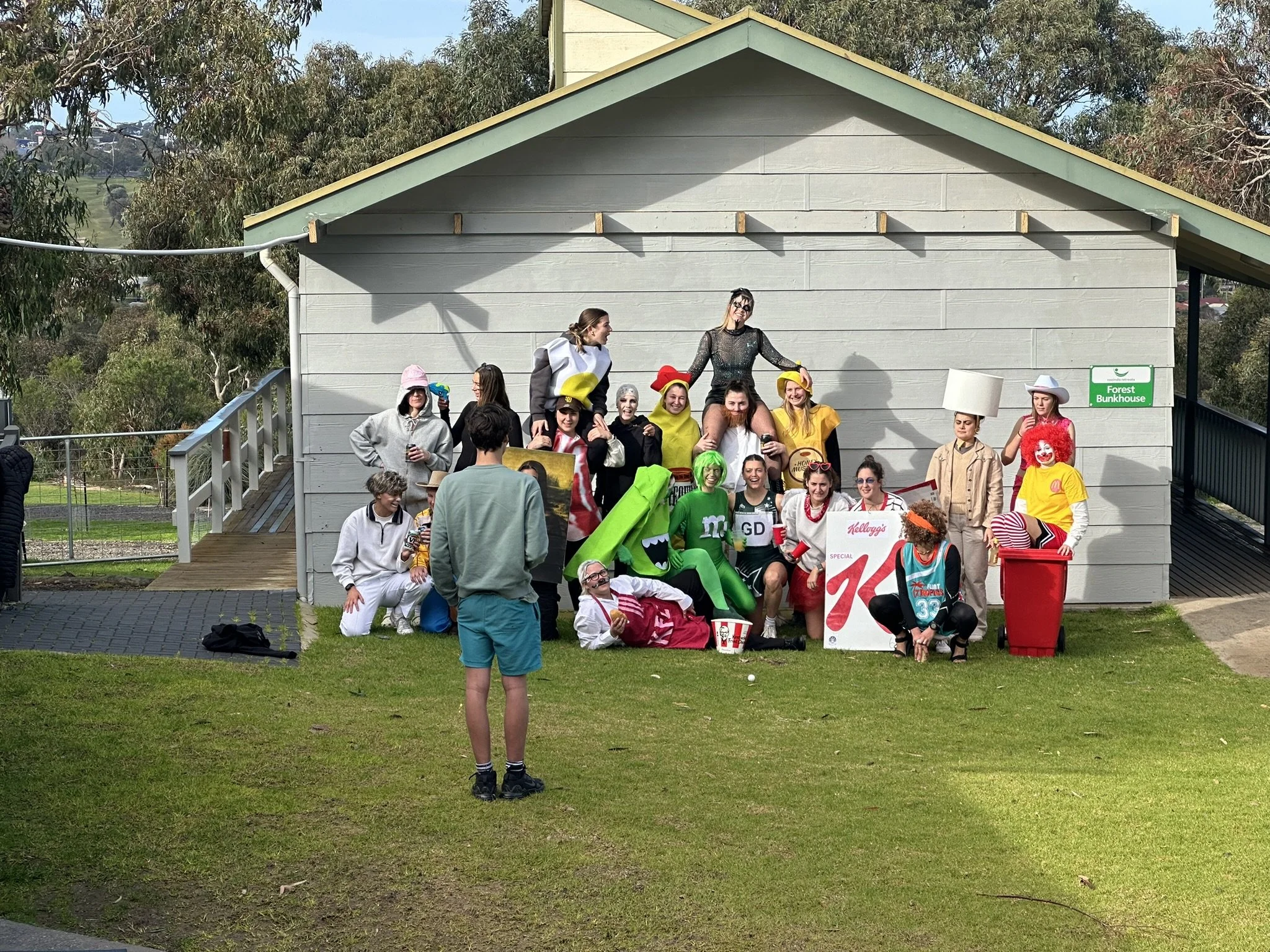
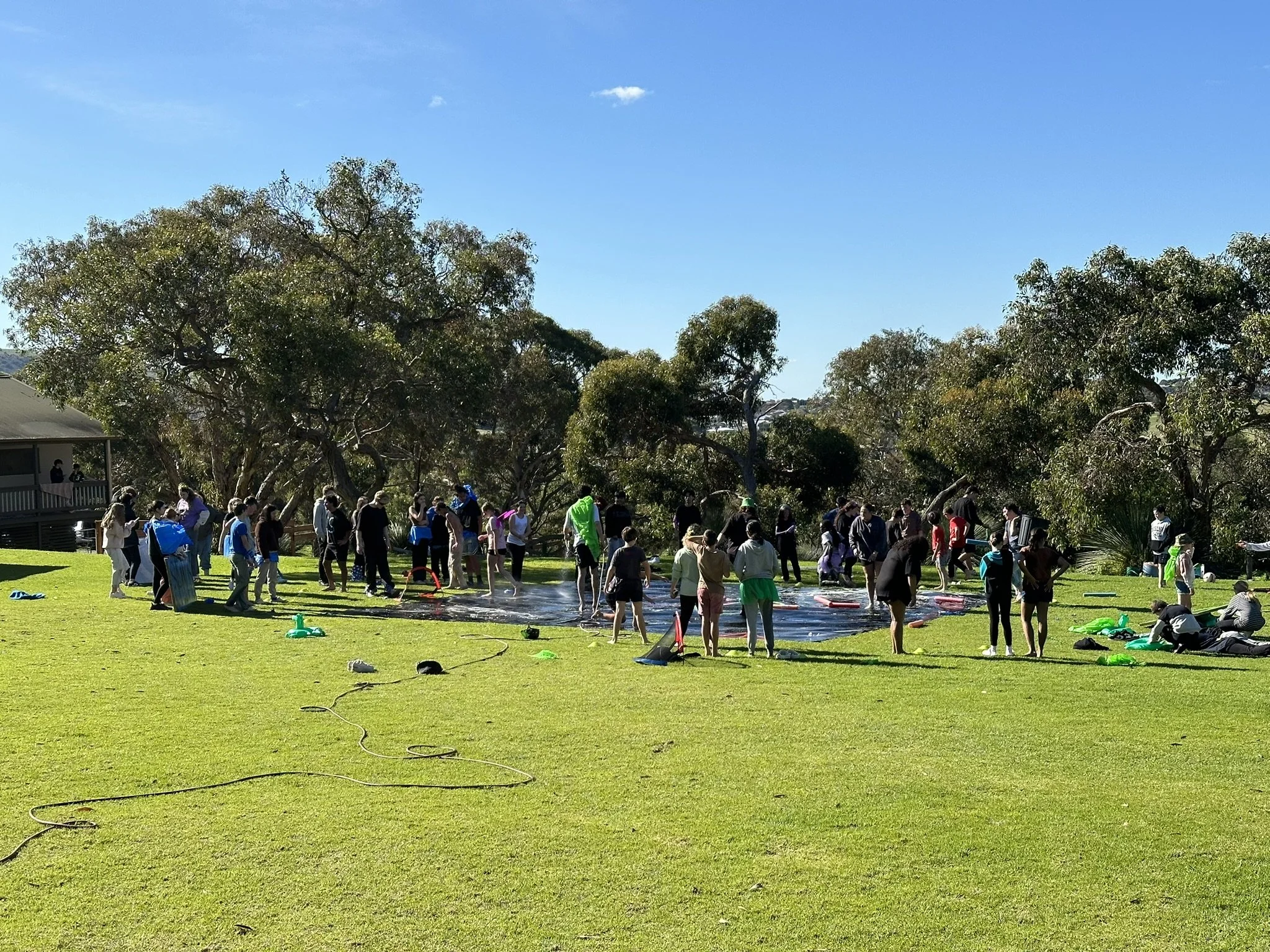
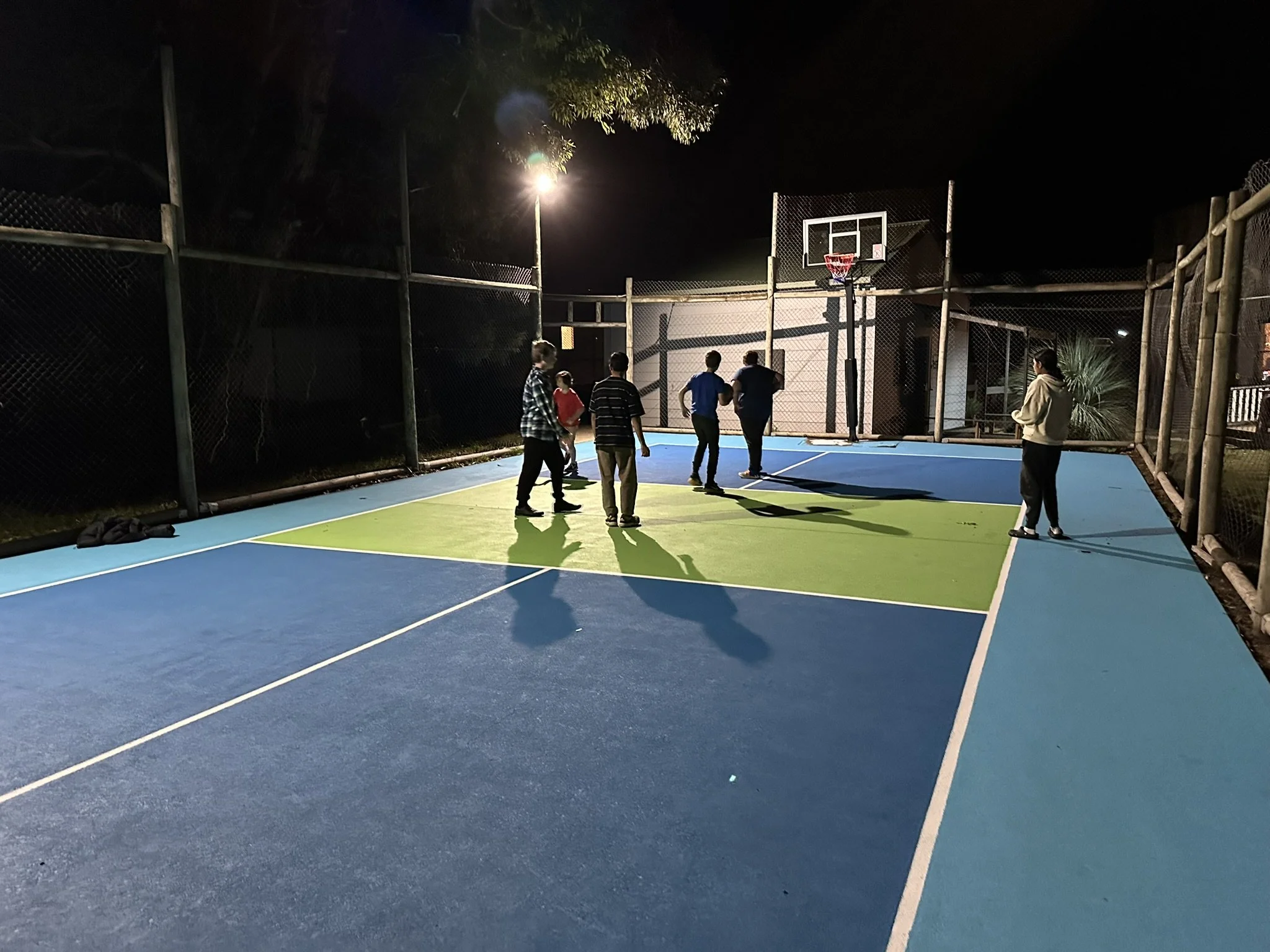
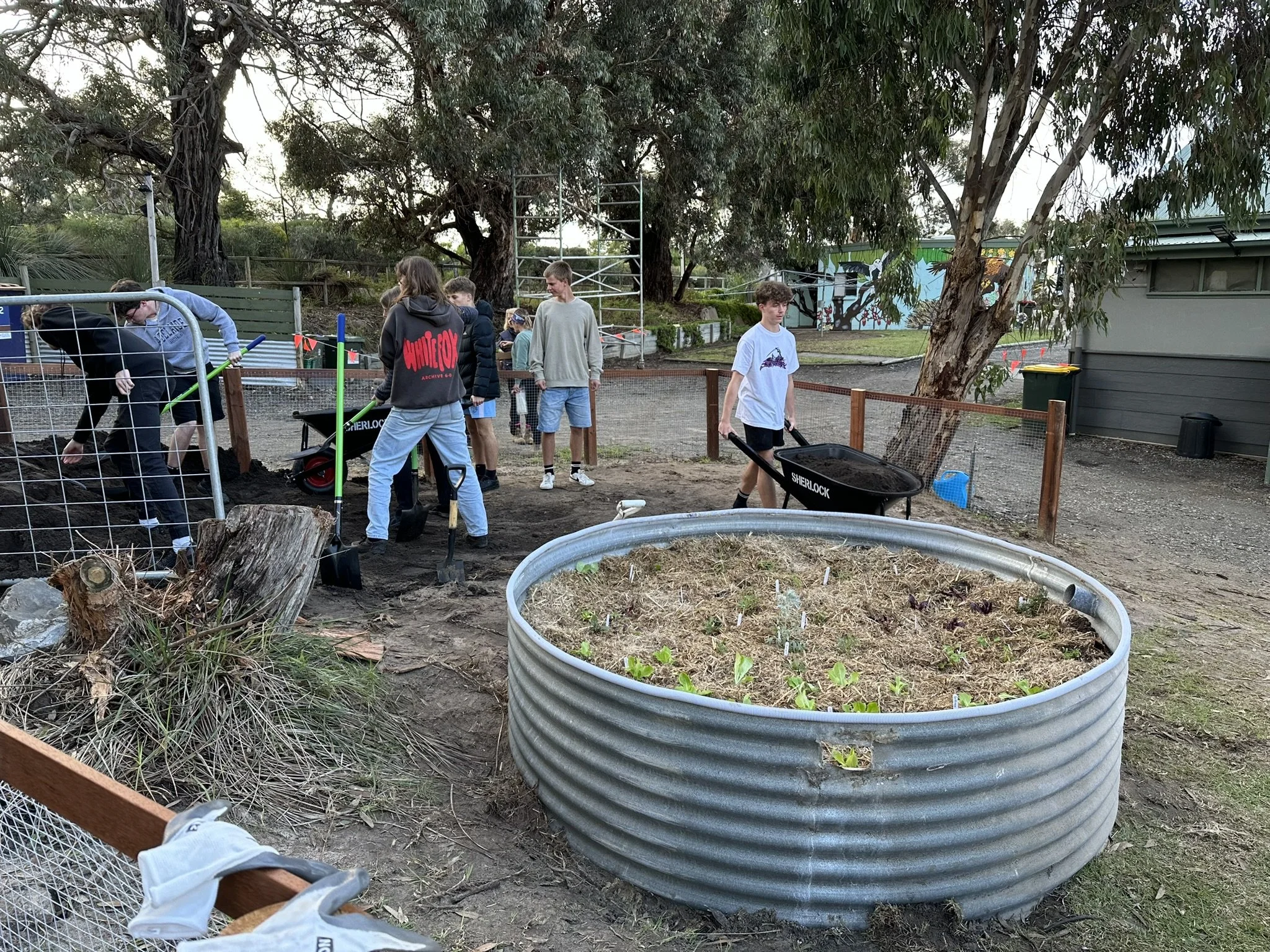
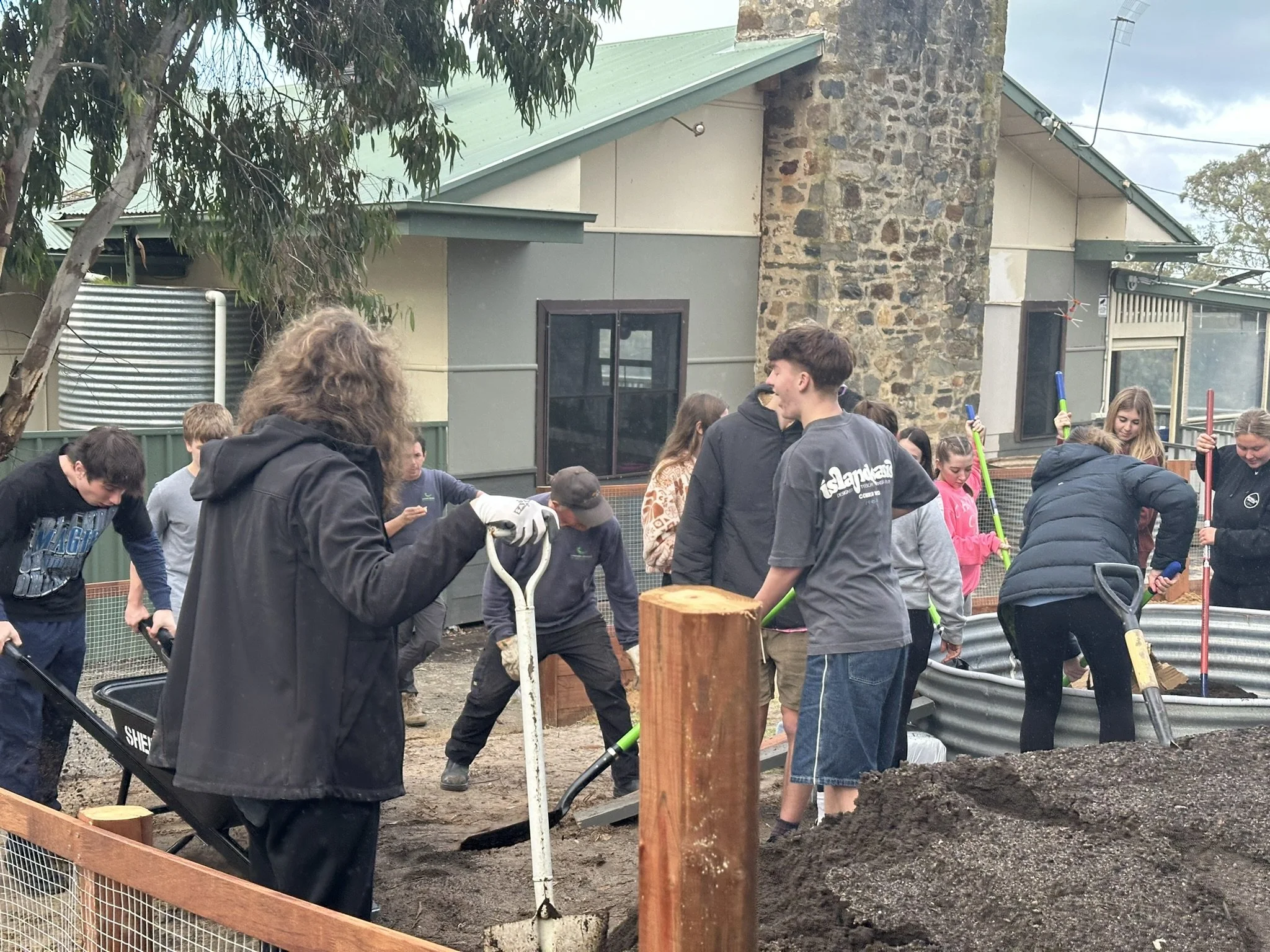
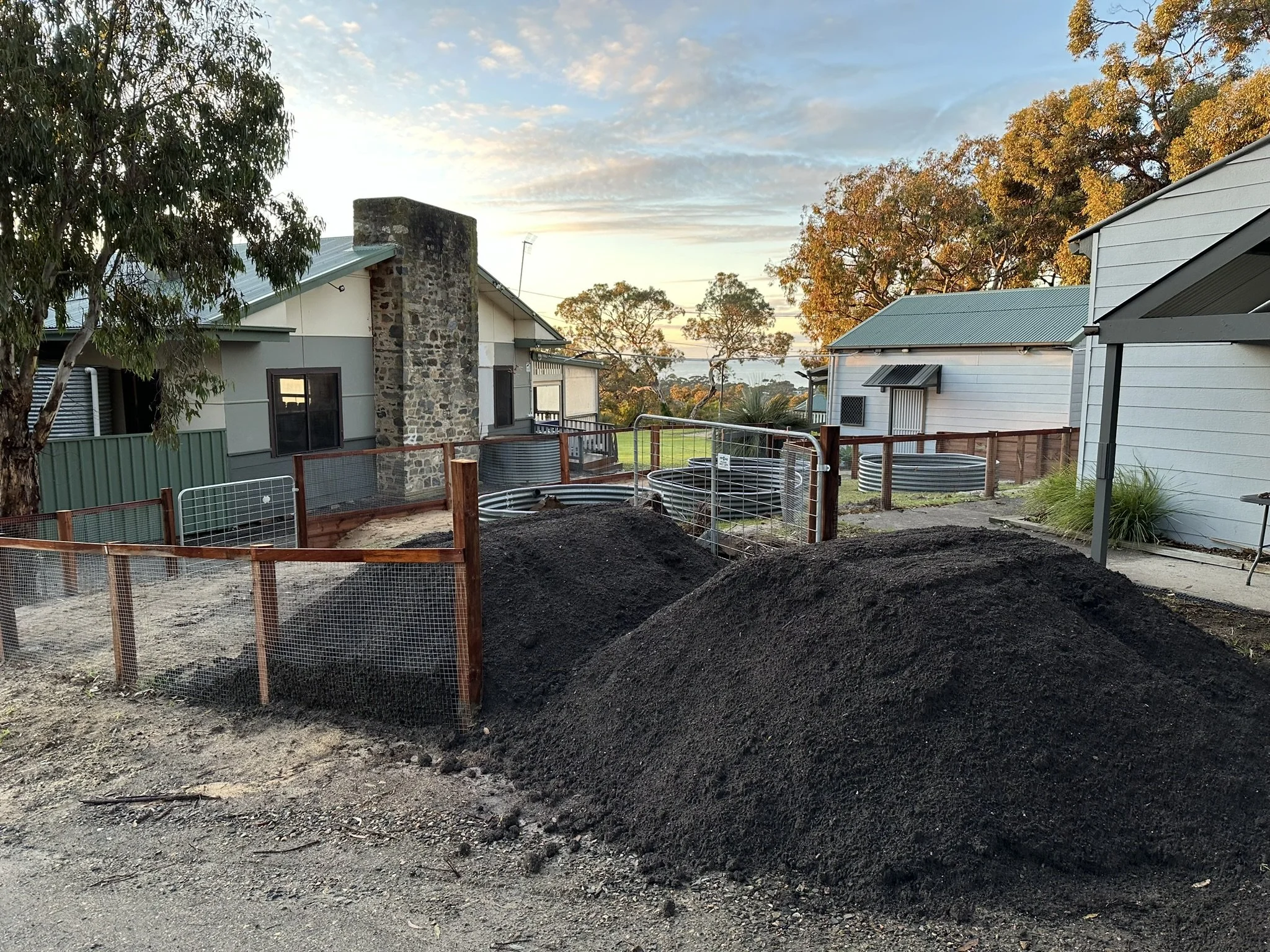
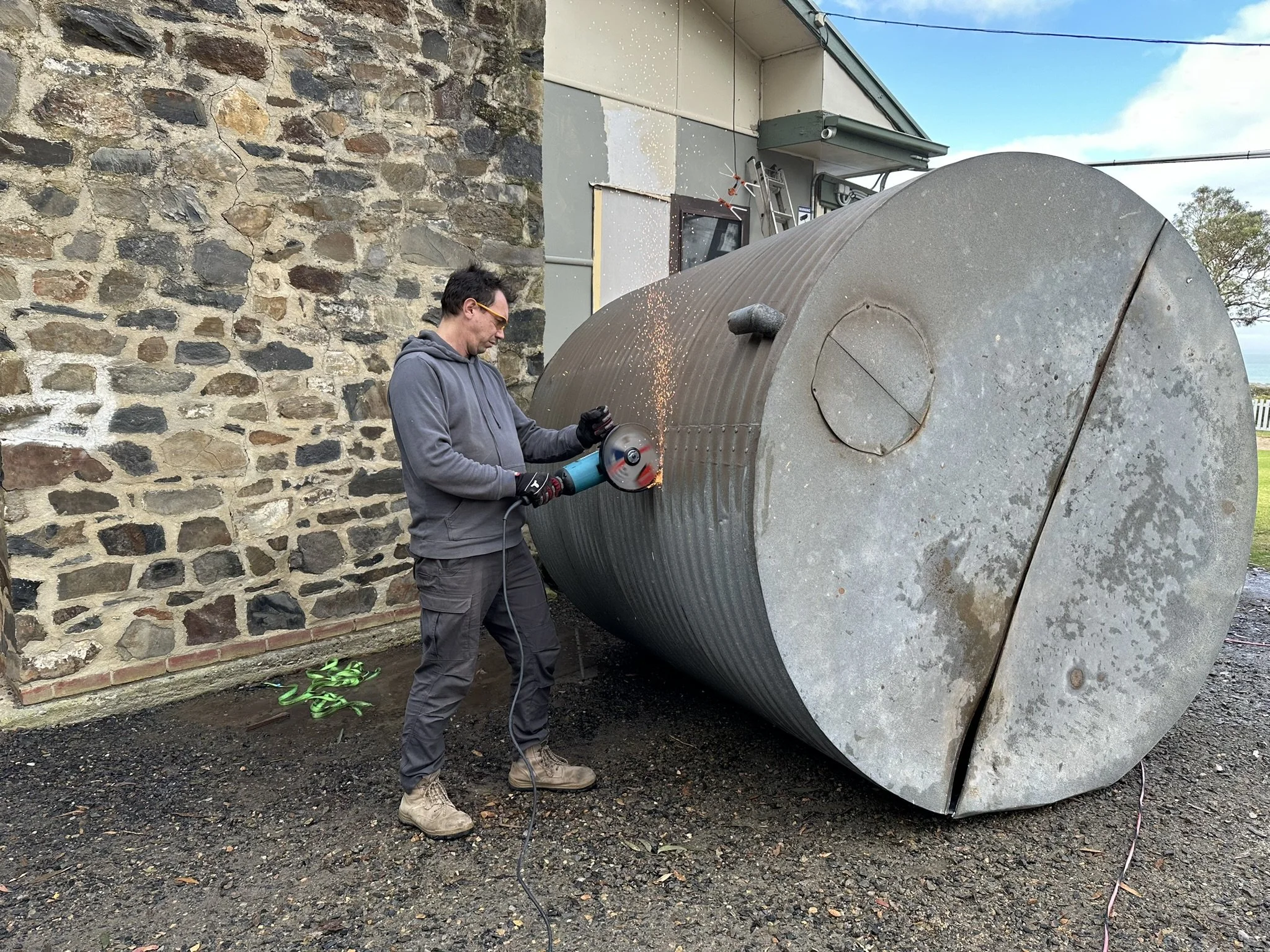
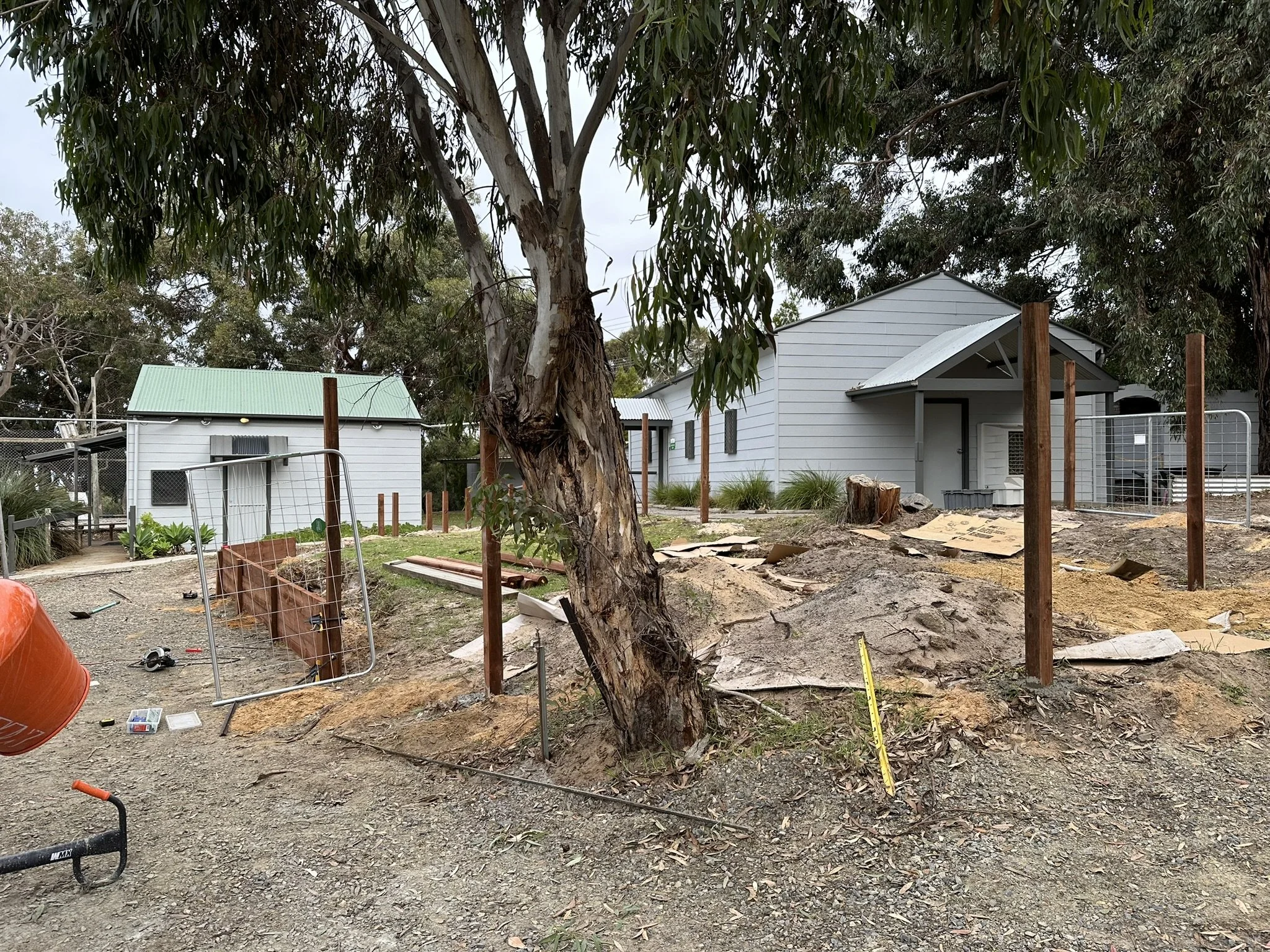
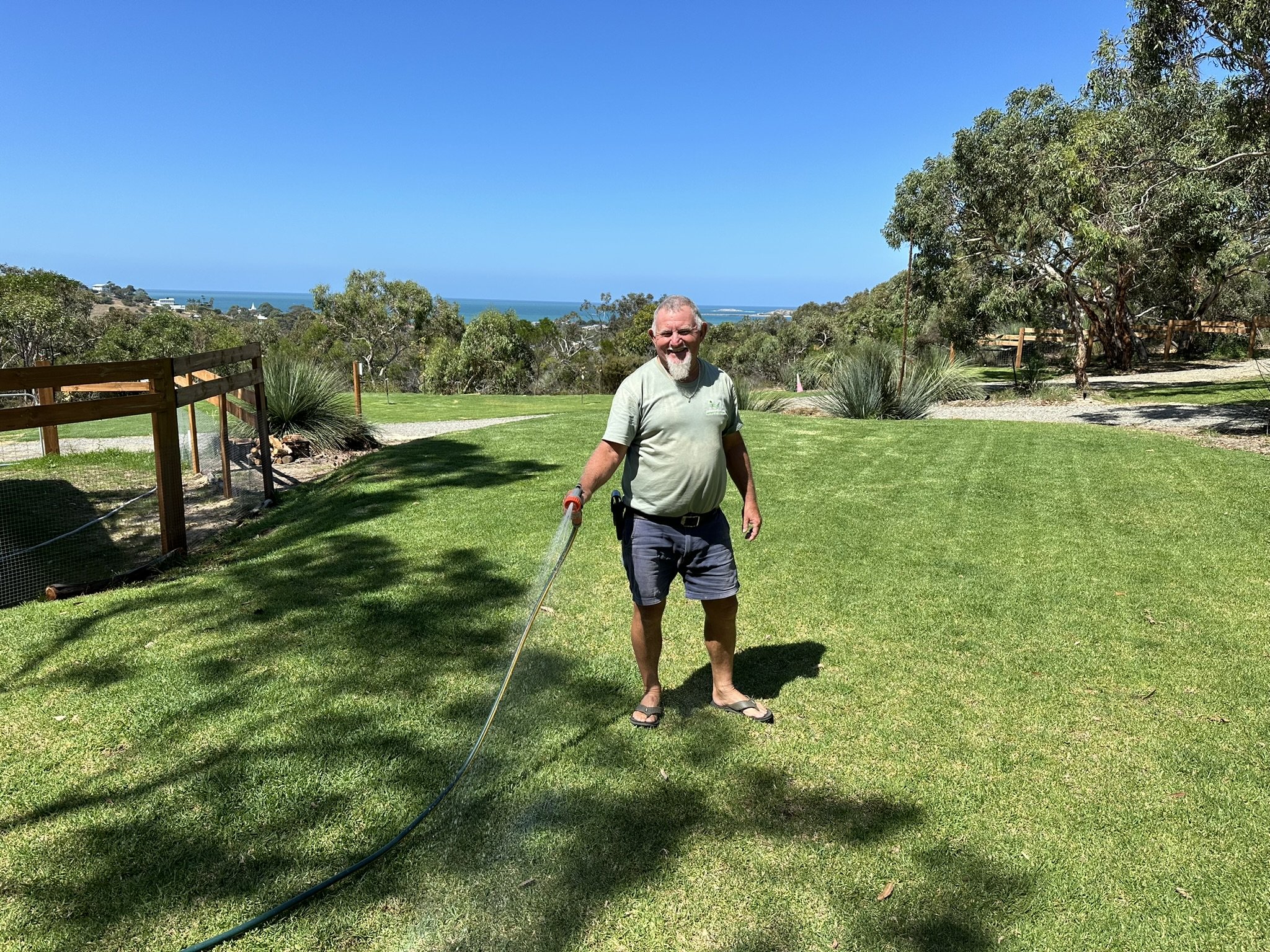
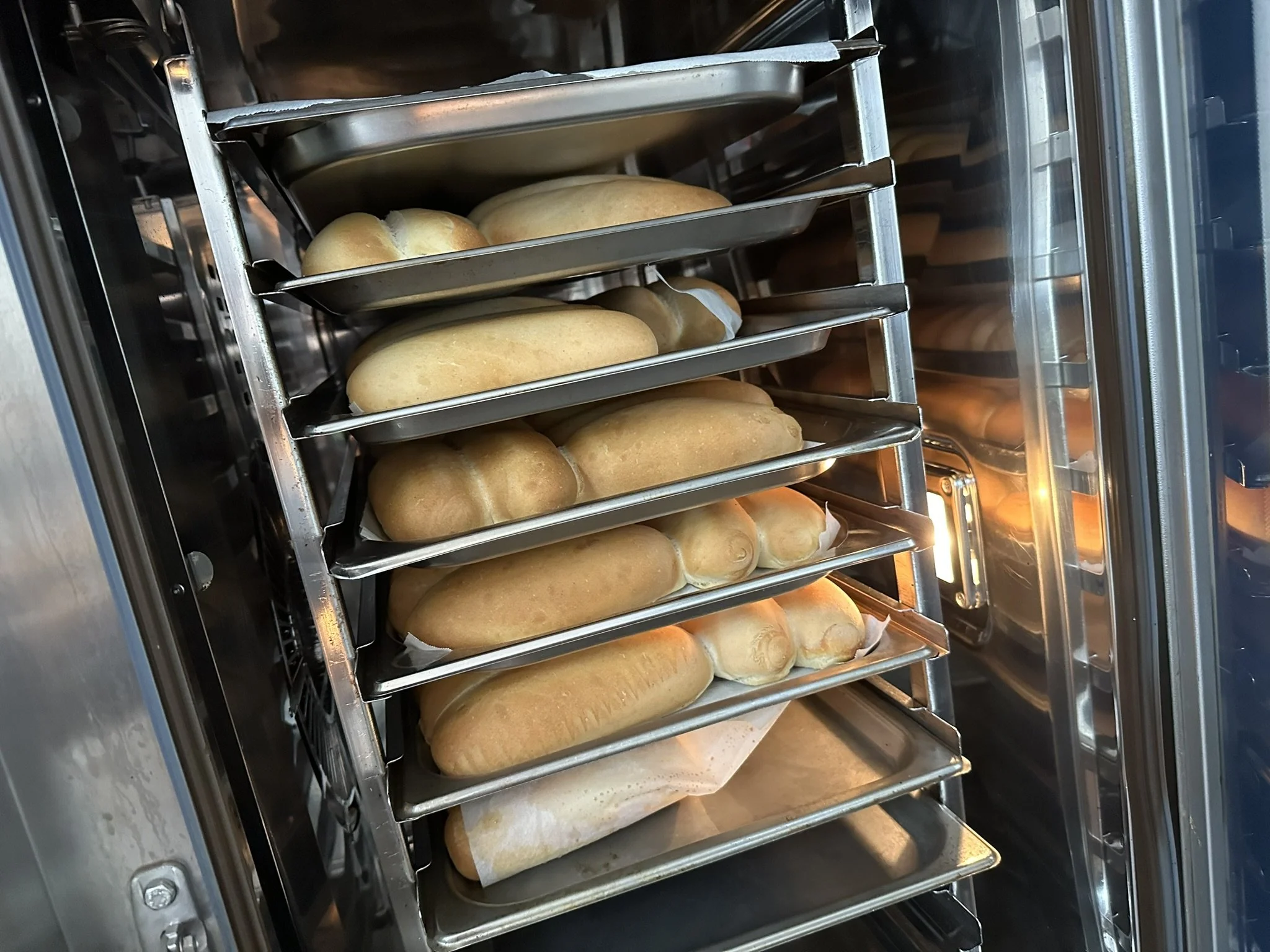
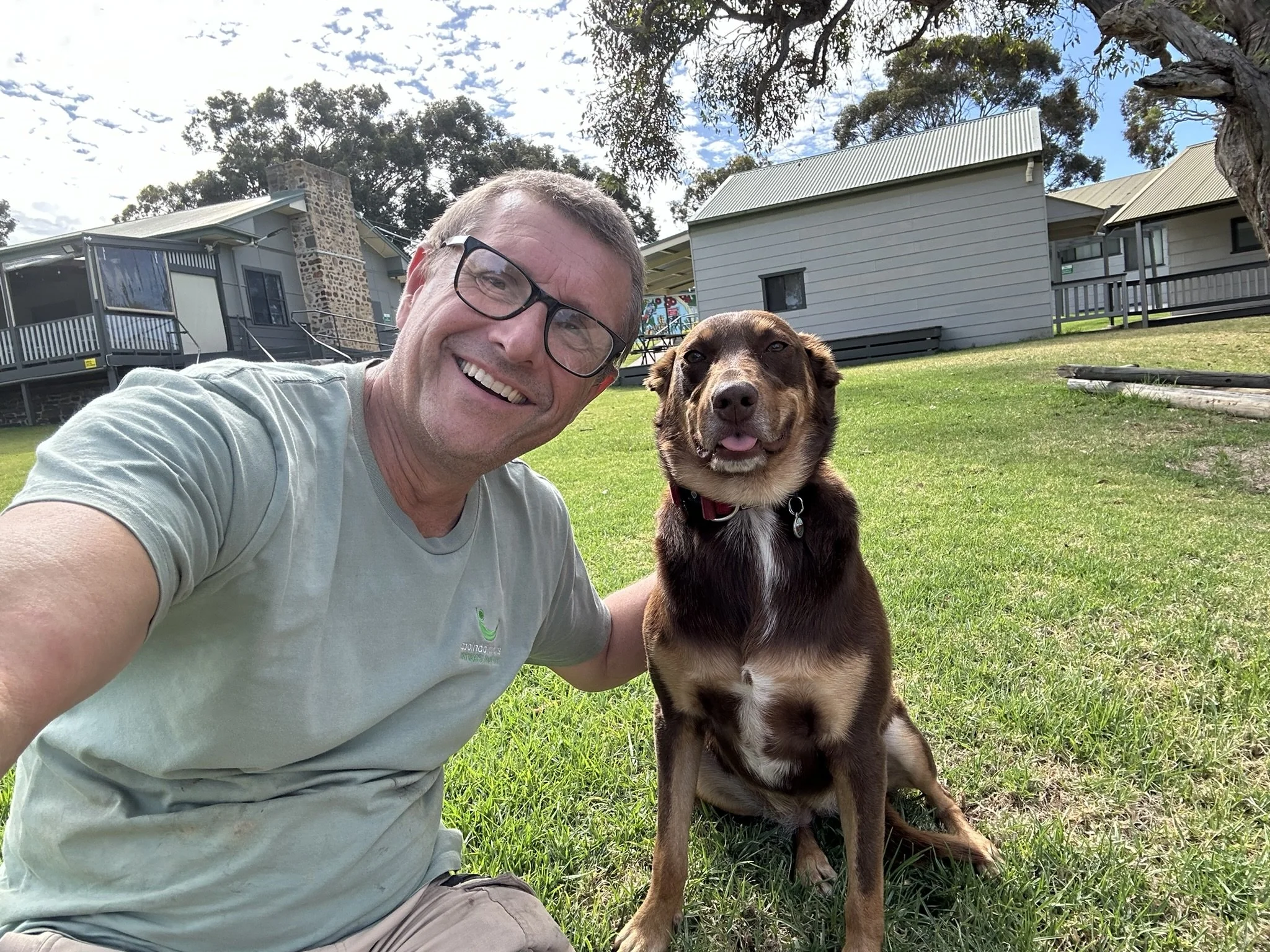
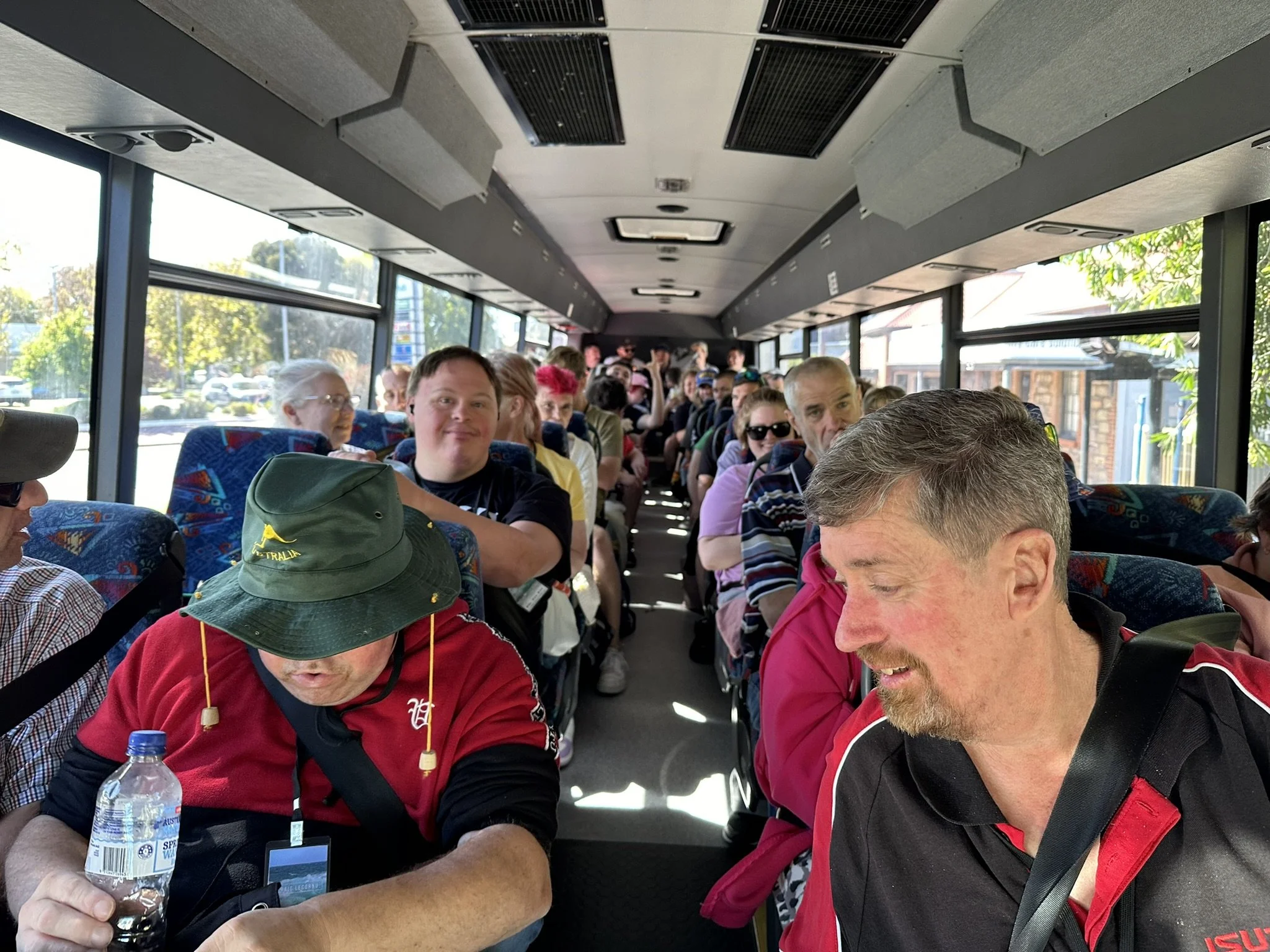
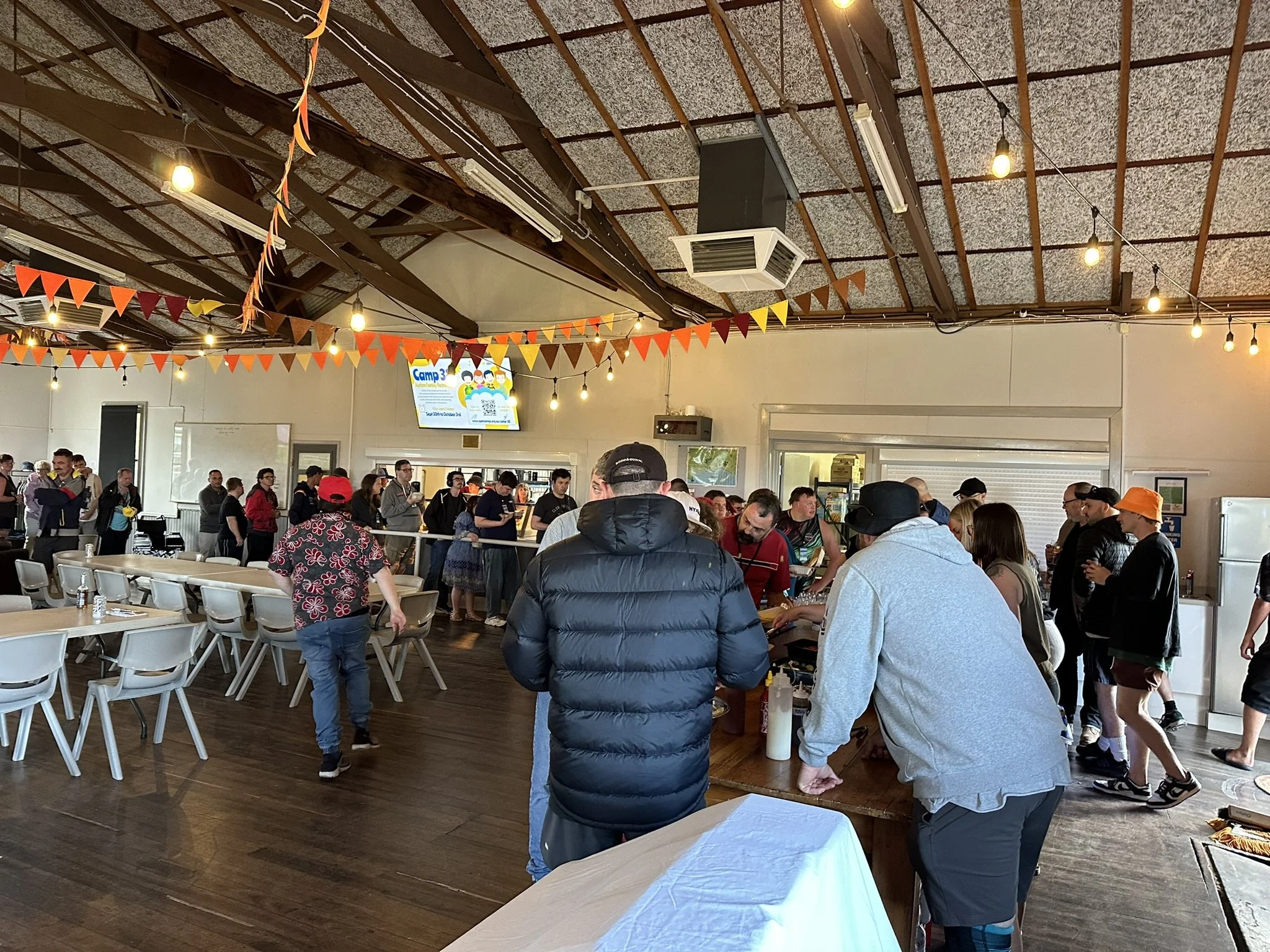
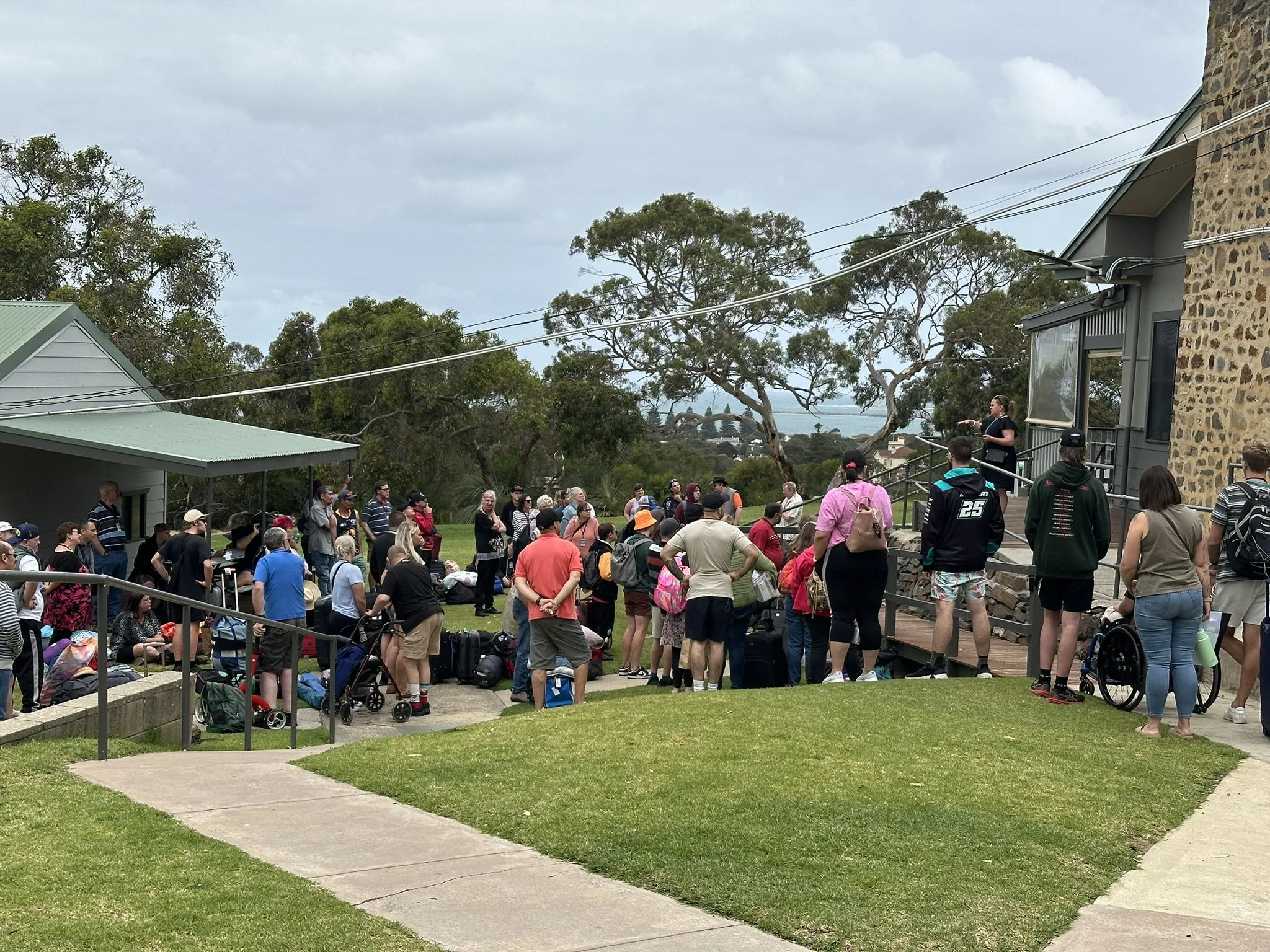
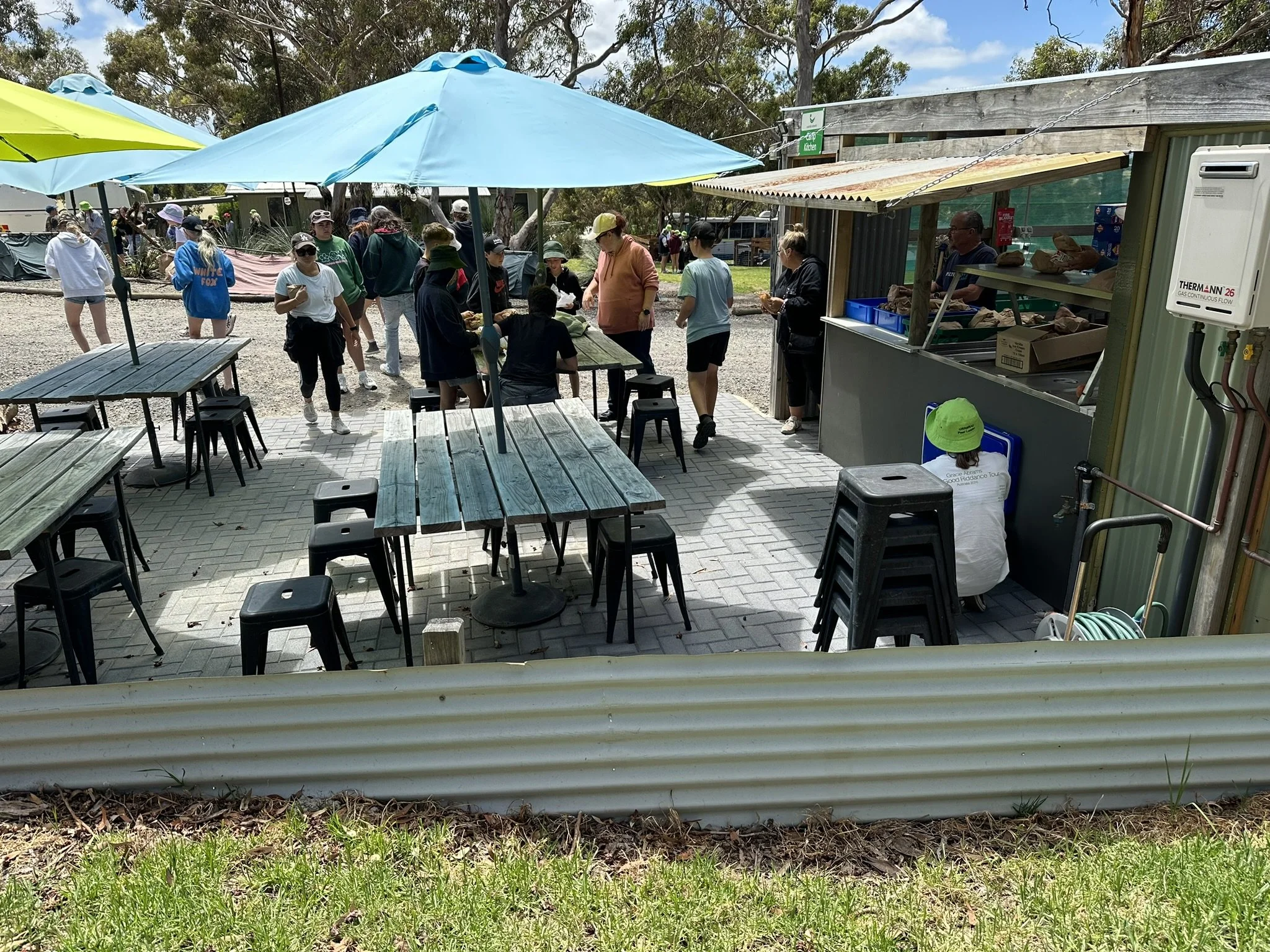
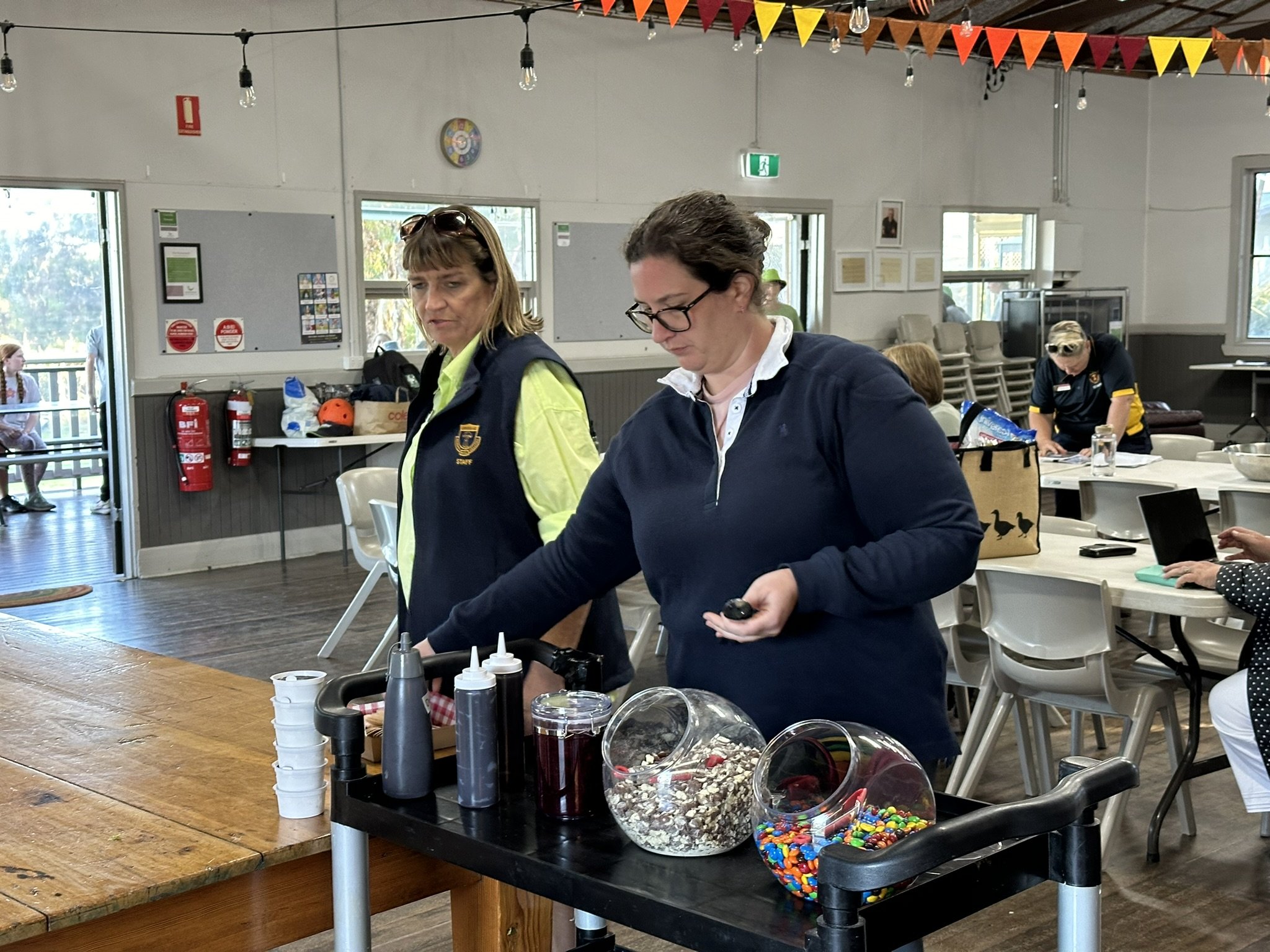
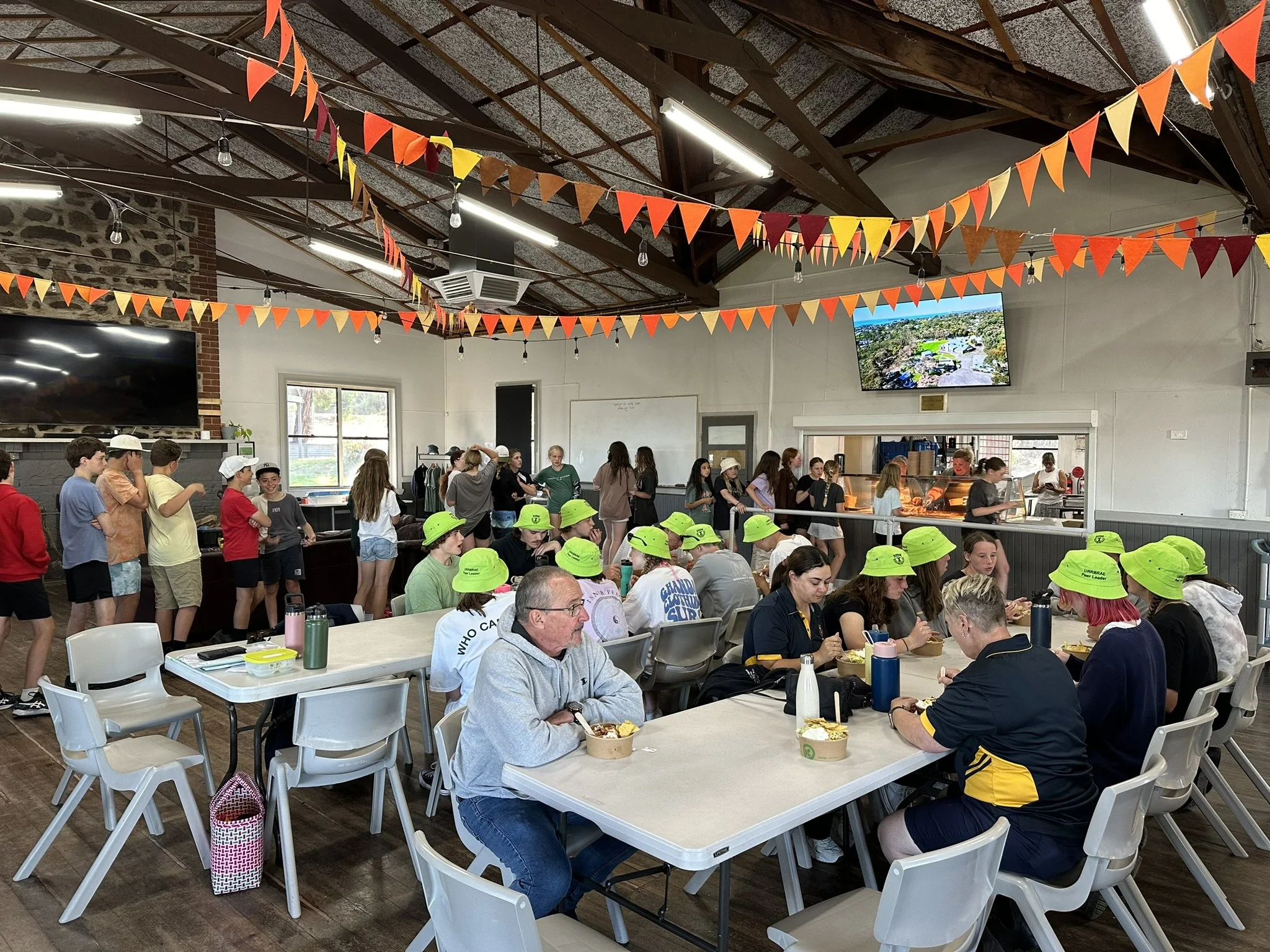
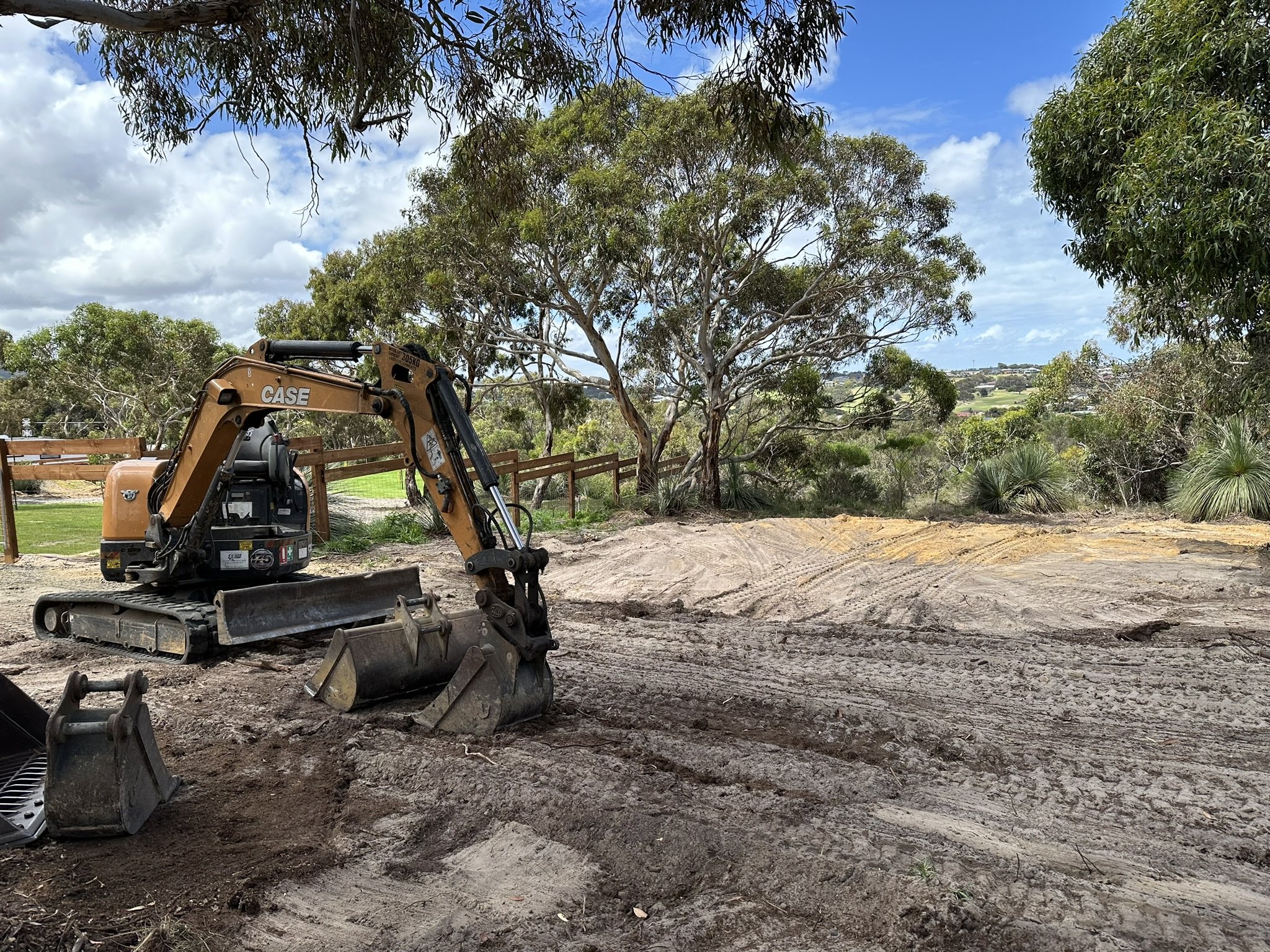
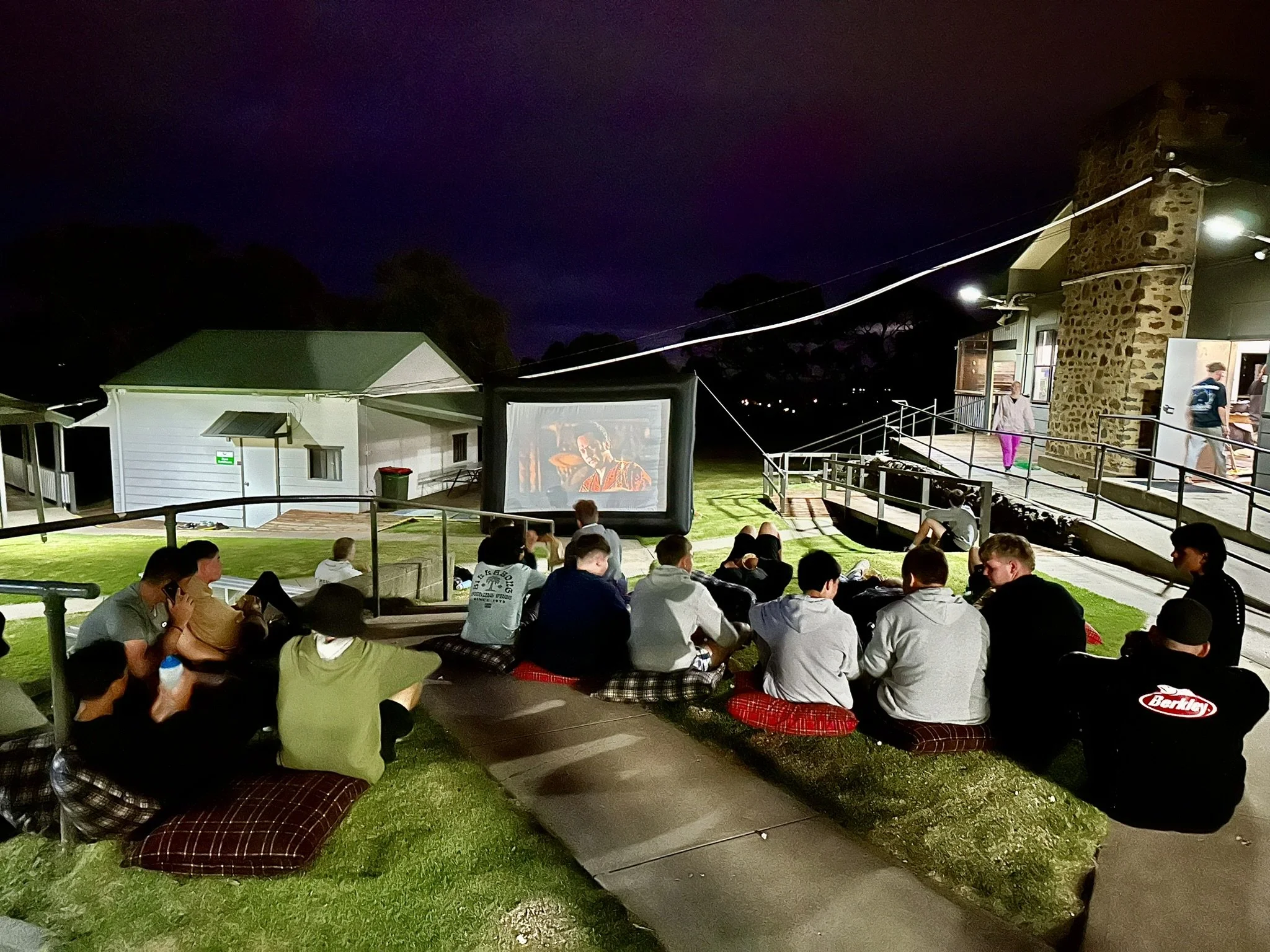
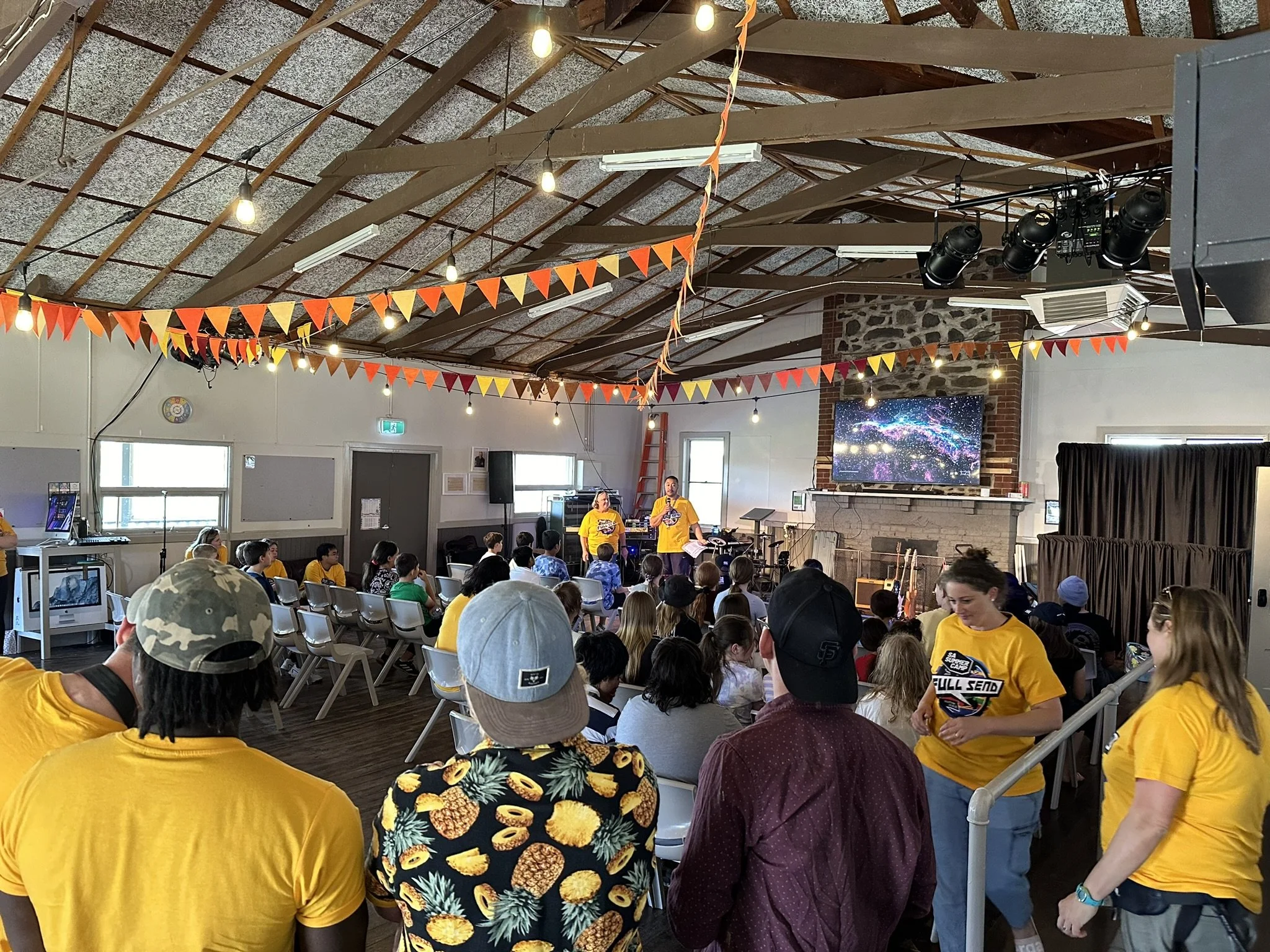
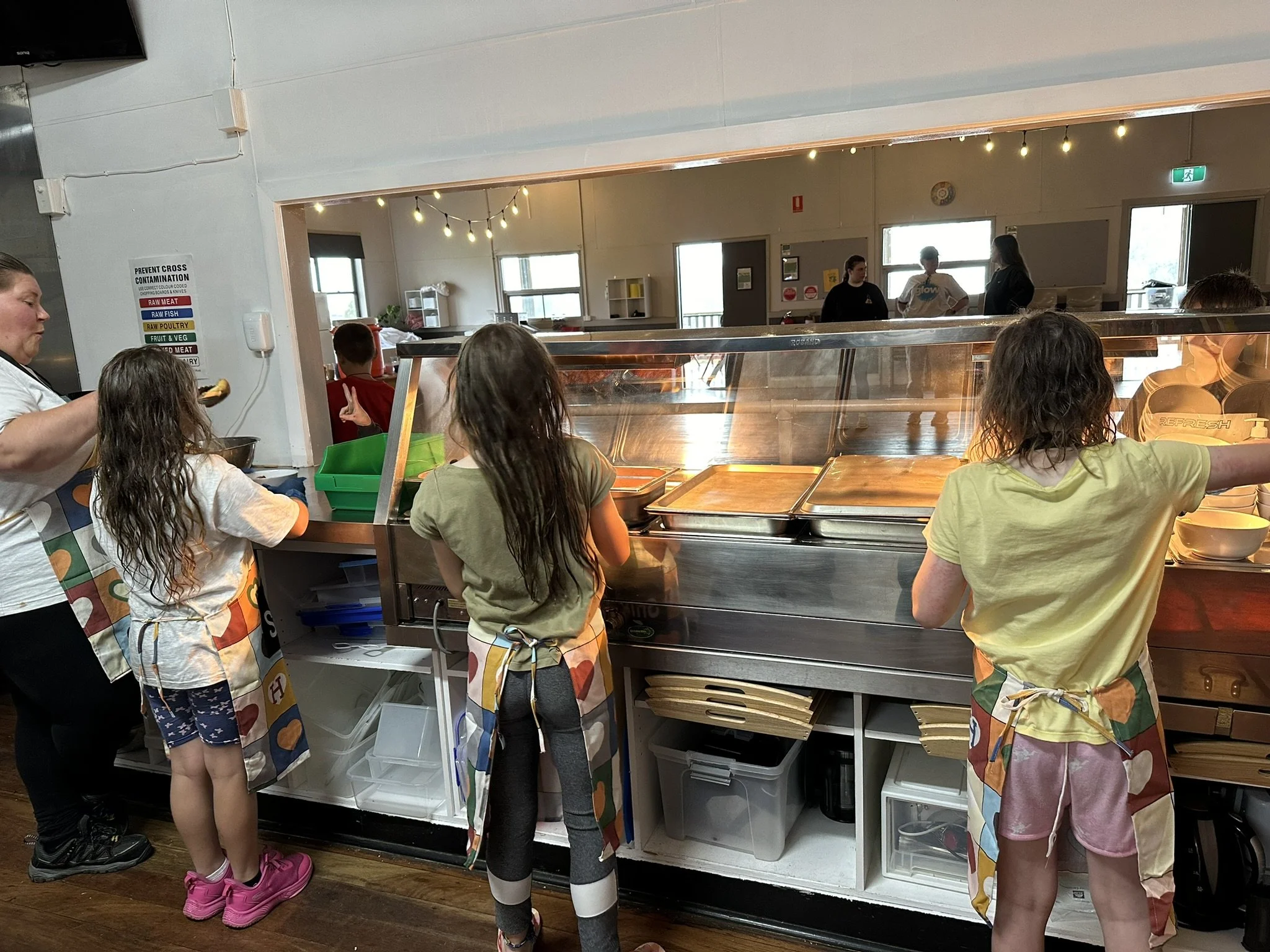
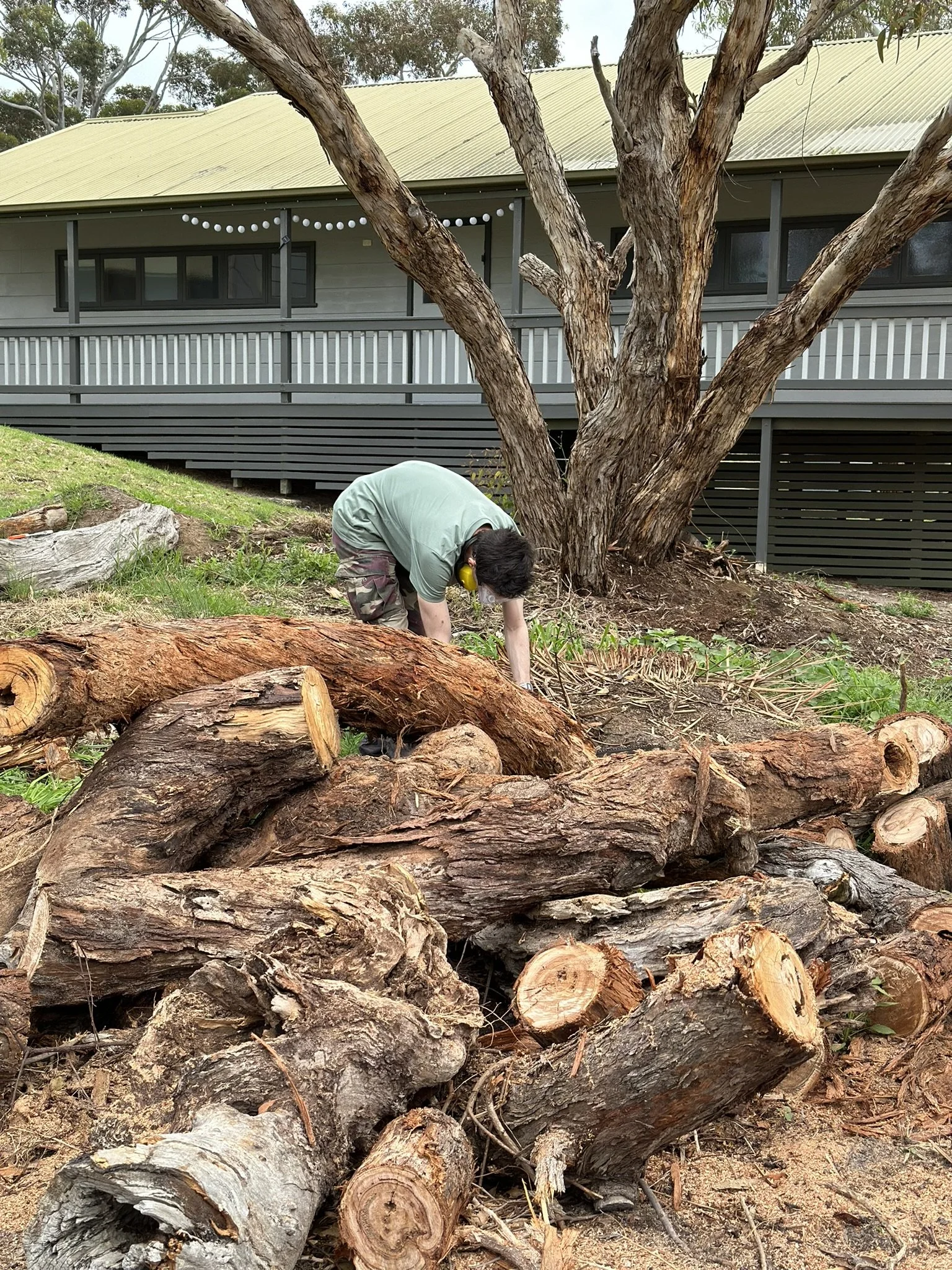
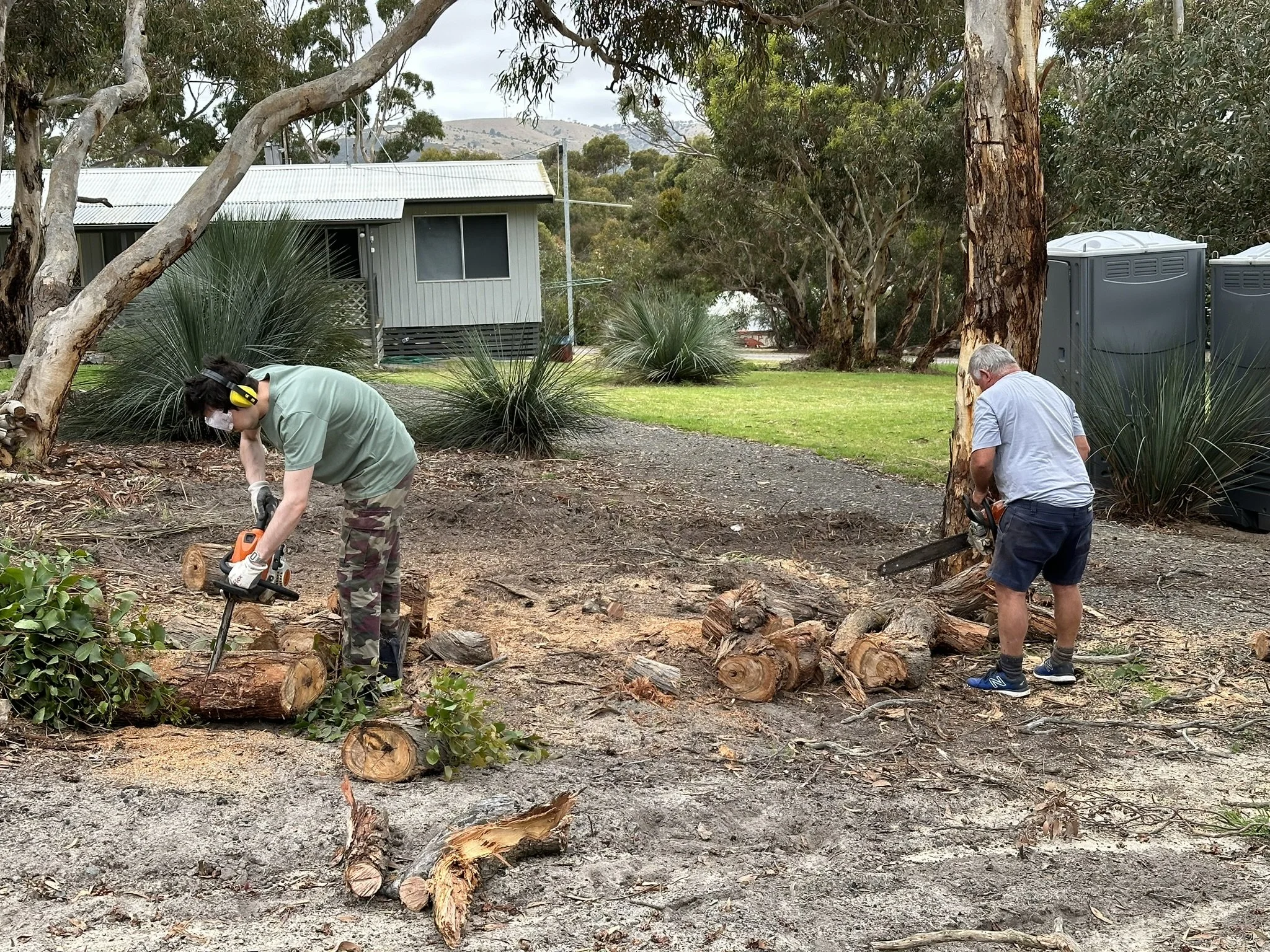
As you look through the photos accompanying this story, taken at Cooinda Retreats or during activities connected with it, you will see the many ways people give this place life. People singing, playing music, praying, meditating and quietly reflecting. Teaching, learning, sharing stories and laughing together. Preparing meals, washing dishes, cleaning buildings, planting lawns and caring for the grounds. You will see people playing, exploring, welcoming newcomers, listening to one another and finding a moment to rest.
You probably won’t know who is an employee, a volunteer, a member or a guest. Someone may have arrived for a stay and remained longer to help. Someone may have spent weeks preparing for the gathering. We could explain everyone’s role and identify who was paid and who gave their time, but those distinctions would tell you little about the meaning of what happened here.
The meal mattered because people gathered around it. The welcome mattered because someone felt comfortable enough to participate. The work mattered because it created an opportunity for others. The fellowship was in the gathering, and the service was in making it possible.
That is where Toc H lives in these photographs: in the place, the opportunity and the experience people shared. Focusing on titles or payment arrangements overlooks the collective contribution that made it possible.
Toc H South Australia sustains this space so people can come together for their own purposes. They do not need to become members, adopt our language or describe their experience as Toc H. They may simply leave remembering a friendship, a conversation or the feeling of being welcome.
There is humility in allowing that experience to belong to them, and purpose in quietly continuing the work behind it. This is Toc H South Australia giving fellowship a home.
So we think this is very Toc H.